
Work and Business
Economy Overview | Remote Work Conditions | Local Business Environment | Legal and Regulatory Environment | Transport and Infrastructure

Economy Overview
Economic Landscape
Overview of the Economy
Jamaica's economy is characterized by a diverse mix of industries, with services, tourism, and remittances playing key roles. Agriculture, mining (particularly bauxite), and manufacturing also contribute to the nation's economic landscape.
Key Industries and Sectors in Jamaica:
Tourism: Major economic driver attracting global visitors.
Bauxite and Mining: Significant producer of bauxite for aluminum.
Agriculture: Key products include sugarcane, bananas, coffee, and citrus.
Manufacturing: Produces goods for domestic and export markets.
Services: Diverse sector including finance, insurance, and real estate.
Remittances: Crucial source of income from Jamaicans abroad.
Renewable Energy: Growing focus on diversifying the energy mix.
IT and BPO: Expanding sector attracting international companies.
Construction and Real Estate: Infrastructure development contributes to economic growth.
Financial Services: Well-established sector including banking and insurance.
Job Market
Overview of the Job Market
Jamaica's job market spans various sectors such as tourism, agriculture, manufacturing, services, and mining. Tourism is a major employer, and there's a growing focus on diversification, including the development of the BPO sector. Challenges include the need for more job creation and skills development. Ongoing efforts aim to enhance job opportunities and foster economic growth.
Investment Climate
Jamaica presents diverse investment opportunities across sectors such as tourism, renewable energy, agriculture, and information technology. The government has implemented policies to attract foreign investors, offering incentives and streamlining procedures. Trends indicate a growing interest in renewable energy projects, infrastructure development, and the expansion of the business process outsourcing (BPO) industry. The investment climate reflects efforts to diversify the economy and create a business-friendly environment.

Remote Work Conditions
Remote Work Culture
Jamaica has embraced remote work culture, facilitated by improved digital infrastructure. The shift towards flexible work arrangements, accelerated by the COVID-19 pandemic, offers increased work-life balance and access to a broader talent pool.
Work-Life Balance
In Jamaica, there's a growing emphasis on work-life balance, driven by cultural values and a recognition of the importance of personal well-being. Flexible work arrangements and remote options contribute to achieving this balance.
Internet and Technology
Jamaica has seen significant advancements in internet and technology. Internet infrastructure has improved, contributing to increased connectivity and digital accessibility. The country is making strides in adopting technology for business, education, and daily life. With a growing emphasis on digital literacy, Jamaica is positioning itself to leverage technology for economic growth and innovation. The government and private sector continue to invest in improving the digital landscape, fostering a tech-friendly environment.

Local Business Environment
Starting a Business
- Procedures and Requirements:
- The process involves several steps, including business registration, obtaining necessary licenses, and compliance with tax regulations.
- Requirements may vary based on the type and size of the business.
- Costs Associated with Starting a Business:
- Costs include registration fees, licensing fees, and any associated legal and administrative expenses.
- The total costs depend on the business type, location, and specific regulatory requirements.
Business Culture
Business Etiquette
In Jamaican business culture, a friendly yet formal approach is key. Punctuality, business attire, and respect for hierarchy are emphasized. Building personal relationships and small gift-giving are valued, and meetings often start with casual conversation. Expressing gratitude after meetings is considered courteous. Adaptability is crucial for successful interactions.
Networking Opportunities
Jamaican business networking events, including conferences, mixers, and trade shows, provide professionals with valuable opportunities for connection and collaboration. These platforms emphasize relationship-building and idea exchange in the local business culture.
Legal and Regulatory Environment
Business Laws and Regulations
Jamaican businesses adhere to key laws to ensure fair and legal practices. The Companies Act governs company management, taxation laws cover income and corporate taxes, and labour laws address employment conditions. The Consumer Protection Act ensures fair business practices, while the Competition Act prevents unfair practices. Intellectual property laws protect creative works, and environmental laws promote eco-friendly operations. The Exchange Control Act manages currency, and the Data Protection Act safeguards personal information. Compliance with these laws is vital for businesses to operate responsibly and legally in Jamaica.
Employment Laws
Overview of Labor Laws
Labor laws regulate the relationship between employers and employees, covering aspects like wages, working conditions, and dispute resolution. They aim to ensure fair treatment, workplace safety, and conflict resolution, contributing to a balanced and productive work environment.
Taxation
Overview of Tax Regulations for Businesses
Tax regulations for businesses outline rules on income reporting, financial records, and timely payment of taxes. Compliance is crucial to operate legally and contribute to public services.
Transport and Infrastructure
Public Transportation
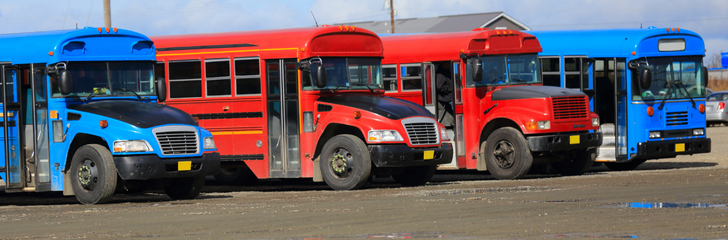
Public transport in Jamaica primarily includes buses, taxis, and limited railway services, with varying availability across regions. The Jamaica Urban Transit Company (JUTC) operates buses in urban areas like Kingston. Travelers often use a mix of transportation options, and for the latest information, it's advisable to check with local authorities or transportation agencies.
Airports and International Travel
Major International Airports
Norman Manley International Airport (KIN): Located in Kingston, the capital city, Norman Manley International Airport is one of the primary gateways for international travelers arriving in Jamaica.
Sangster International Airport (MBJ): Situated in Montego Bay, Sangster International Airport is the leading international airport for tourists visiting popular resort areas on the north coast of Jamaica, including Montego Bay and Ocho Rios.
Road and Rail Infrastructure
Jamaica's transportation infrastructure includes a well-developed network of highways and roads connecting major cities and towns. Public transportation relies on buses and taxis, with the Jamaica Urban Transit Company (JUTC) operating in urban areas. The country also has limited railway services, primarily catering to tourist-oriented travel.