
About
Overview | Climate and Geography | Demographics | Culture and Heritage | Language and Communication
Overview
Brief History of Jamaica:
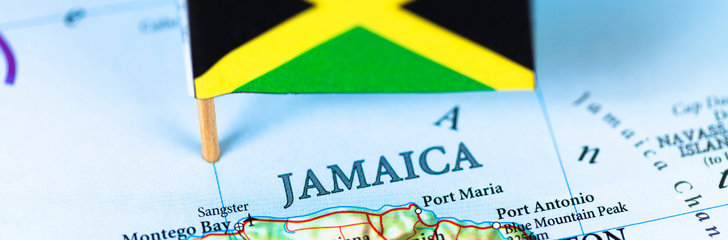
Jamaica, located in the Caribbean, has a rich and complex history. The indigenous Taino people inhabited the island before the arrival of Christopher Columbus in 1494. The Spanish colonized Jamaica, but in 1655, the British seized control. The island became a major hub for the transatlantic slave trade, with enslaved Africans brought to work on sugar plantations. Jamaica gained independence from British colonial rule in 1962, and since then, it has developed a distinctive cultural identity influenced by African, European, and Caribbean traditions.
Political Structure:
Jamaica is a parliamentary democracy and a constitutional monarchy within the Commonwealth. The head of state is the monarch of Jamaica, currently Queen Elizabeth II, represented by a Governor-General. The Prime Minister, who is the head of government, is appointed from the majority party in the bicameral Parliament. The Parliament consists of the House of Representatives and the Senate. Elections are held regularly, and Jamaica has a multi-party system with the two main political parties being the Jamaica Labour Party (JLP) and the People's National Party (PNP).
Economy:
Jamaica's economy is diverse, with sectors such as tourism, agriculture, mining, and services playing significant roles. Tourism is a major contributor to the economy, attracting visitors with its beautiful beaches, cultural heritage, and natural attractions. The agricultural sector produces crops like sugarcane, bananas, and coffee. Mining contributes through bauxite and alumina production. However, Jamaica faces economic challenges, including high public debt and vulnerability to external shocks. Efforts to diversify the economy and promote sustainable development are ongoing.
Education and Healthcare
Education in Jamaica:
Jamaica places a strong emphasis on education, and it has a well-established system that is free and compulsory up to the age of 18. The education system follows a structure of primary, secondary, and tertiary levels. Primary education typically spans six years, followed by secondary education, which is divided into lower and upper levels. The Caribbean Examinations Council (CXC) examinations are commonly taken at the end of the secondary level. Tertiary education is provided by universities and colleges, with the University of the West Indies being a prominent institution. Despite efforts to improve access and quality, challenges such as resource constraints and educational disparities persist.
Healthcare in Jamaica:
Jamaica's healthcare system has both public and private components. The Ministry of Health is responsible for the public healthcare system, which includes hospitals and health centers across the island. Access to healthcare is a priority, and efforts have been made to provide essential services to all citizens. However, challenges like limited resources, infrastructure issues, and a high burden of non-communicable diseases exist. The country has made progress in areas such as reducing HIV/AIDS prevalence and improving maternal health.
Climate and Geography
Geography
- Western Jamaica:
- Includes parishes like St. James, Hanover, and Westmoreland.
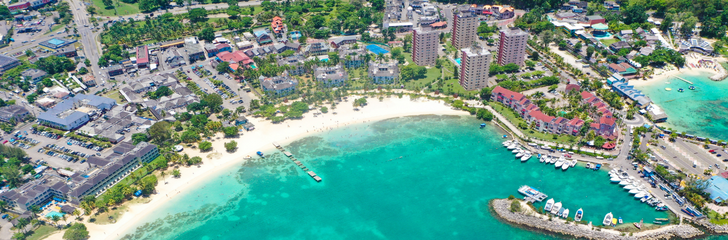
- Major tourist destinations like Montego Bay and Negril are in this region.
- Central Jamaica:
- Encompasses parishes such as Manchester and Clarendon.
- Known for agricultural activities and the Cockpit Country.
- Eastern Jamaica:
- Includes parishes like St. Thomas, St. Mary, and Portland.
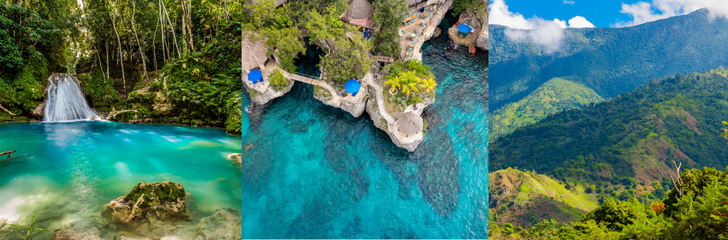
- Features the Blue Mountains and attractions like Dunn's River Falls.
- Southern Jamaica:
- Encompasses parishes such as St. Elizabeth.
- Known as the "breadbasket" due to its agricultural productivity.
- Kingston Metropolitan Area:
- The capital city, Kingston, is a major urban center.
- St. Andrew surrounds Kingston and is part of the broader metropolitan area.
Climate
Climate Variations by Region
Coastal Areas:
- Coastal regions, especially those facing the Caribbean Sea, generally have warmer temperatures year-round.
- These areas may also experience more consistent humidity levels.
Mountainous Regions:
- The Blue Mountains, located in the eastern part of the island, can be cooler due to their elevation.
- These areas may receive more rainfall, contributing to lush vegetation.
Western Jamaica:
- Coastal areas in the west, including Montego Bay and Negril, have warm temperatures.
- These regions may experience slightly less rainfall compared to the eastern side of the island.
Eastern Jamaica:
- Regions like Portland and St. Mary on the eastern side can receive more rainfall.
- The Blue Mountains contribute to cooler temperatures and are known for coffee cultivation.
Southern Jamaica:
- Areas like St. Elizabeth, in the southern part of the island, are known for their agricultural productivity.
- Warm temperatures prevail, and rainfall supports farming activities.
Urban Areas (e.g., Kingston):
- Urban areas may experience the urban heat island effect, with slightly higher temperatures compared to surrounding rural areas.
- Kingston, being a coastal city, generally has warm temperatures.
Seasonal Variations:
- Jamaica has a wet season from May to November and a drier season from December to April.
- Hurricane season, which runs from June to November, can bring increased rainfall and the possibility of tropical storms.
Demographics
Population
Population Size and Density
Jamaica's total population was 2.83 million in January 2023. Data shows that Jamaica's population decreased by 3,228 (-0.1 percent) between 2022 and 2023. 50.4 percent of Jamaica's population is female, while 49.6 percent of the population is male.
Age Distribution
| Age Group | Percentage of Population |
| 0-4 | 5.80% |
| 5-12 | 10.8% |
| 13-17 | 7.70% |
| 18-24 | 11.60% |
| 25-34 | 18.40% |
| 35-44 | 15.80% |
| 45-54 | 12.30% |
| 55-64 | 10.00% |
| 65 and above | 7.6% |
Ethnic Composition
African Descent: The majority of Jamaicans are of African descent, with roots tracing back to the African continent, brought as slaves during the colonial period.
Afro-European and Afro-Amerindian: Intermixing between the African population and people of European and Amerindian descent has resulted in a diverse Afro-European and Afro-Amerindian population.
East Indian: Descendants of indentured laborers from India, brought to Jamaica in the 19th and early 20th centuries.
Chinese: A small but significant community, primarily descended from Chinese laborers who arrived in the mid-19th century.
Mixed Race (Mulatto): Refers to individuals of mixed African and European ancestry, contributing to Jamaica's diverse population.
White: A minority population of European descent, including British, Spanish, and other European origins.
Lebanese and Syrian: A small, influential community engaged in commerce and trade.
Jews: Jamaica has a historic Jewish community, with some families present for generations.
Religion
- Christianity:
- Protestantism: The majority of Jamaicans are Protestant Christians, with various denominations such as Anglican, Baptist, Methodist, and Pentecostal being well-represented.
- Jamaican Evangelical Churches: There are also numerous Evangelical and charismatic churches that play a significant role in the religious landscape.
- Rastafari: Although often considered a cultural and social movement, Rastafari has spiritual elements and is practiced by a notable portion of the population.
- Roman Catholicism:
- The Roman Catholic Church has a presence in Jamaica, with a smaller but significant number of adherents.
- Other Religions:
- Judaism: There is a small Jewish community in Jamaica, contributing to the religious diversity.
- Hinduism and Islam: A minority of Jamaicans practice Hinduism and Islam, particularly among the Indo-Jamaican and Arab-Jamaican communities.
Culture and Heritage
Traditional Customs
Festivals and Holidays
Emancipation Day (August 1): Commemorates the abolition of slavery in the British Empire in 1834. It is a day of reflection, cultural events, and celebrations.
Independence Day (August 6): Marks Jamaica's independence from British colonial rule in 1962. The day is celebrated with parades, cultural displays, and patriotic events.
National Heroes' Day (third Monday in October): Honors Jamaica's national heroes and outstanding individuals who have contributed significantly to the country's development.
Christmas (December 25): Celebrated with festive decorations, feasts, family gatherings, and church services.
Boxing Day (December 26): A public holiday often associated with charitable activities, sports events, and sales.
New Year's Day (January 1): Celebrated with parties, fireworks, and various events to welcome the beginning of the new year.
Easter: A Christian holiday observed with church services, family gatherings, and traditional meals.
Labour Day (May 23): A day dedicated to volunteerism and community service, with Jamaicans participating in various projects to improve public spaces.
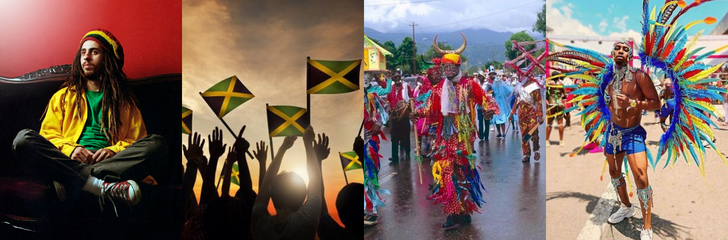
Jamaica Carnival (April - May): A lively celebration with vibrant costumes, music, and parades. It has become an annual event that attracts locals and tourists alike.
Reggae Month (February): A month-long celebration of Jamaica's iconic reggae music, paying tribute to the genre's pioneers, with concerts, exhibitions, and educational events.
Heroes Week (October): A week-long celebration leading up to National Heroes' Day, featuring various cultural events, exhibitions, and performances.
Maroon Festival (January): Celebrates the heritage and culture of the Maroons, descendants of African slaves who escaped from plantations and formed independent communities in Jamaica's mountains.
Traditional Clothing and Cuisine
Traditional Clothing:
Traditional Jamaican clothing is influenced by the island's history, climate, and cultural diversity. While everyday attire is often Westernized, there are traditional styles worn on special occasions and for cultural events:
Bandana and Calico: Bandana fabric, characterized by colorful patterns, is often used in traditional Jamaican clothing. Women may wear dresses or skirts made from bandana fabric, especially during folk festivals.
Rastafari Attire: Rastafarians, identifiable by their distinctive lifestyle and beliefs, often wear clothing in red, gold, green, and black, which are the colors associated with the movement. This includes loose-fitting garments, hats (such as the Rastafari crown), and dreadlocks.
Maroon Clothing: The Maroons, descendants of escaped slaves, have unique clothing styles that reflect their cultural heritage. This may include brightly colored garments adorned with symbolic patterns and accessories.
Dancehall Fashion: Reflecting the influence of Jamaican dancehall culture, some individuals embrace bold and vibrant fashion choices, including colorful and eclectic clothing, hairstyles, and accessories.
Traditional Cuisine:
Jamaican cuisine is a flavorful fusion of African, European, Indian, and indigenous influences. Some staple dishes and ingredients include:
Jerk Chicken: Chicken marinated in a spicy blend of Scotch bonnet peppers, allspice, thyme, and other herbs, then grilled or smoked.
Ackee and Saltfish: The national dish of Jamaica, featuring ackee fruit (native to West Africa) cooked with salted codfish, onions, tomatoes, and spices.
Curry Goat: A popular dish involving goat meat marinated and slow-cooked in a flavorful curry sauce.
Rice and Peas: Rice cooked with coconut milk and kidney beans, often served as a side dish with various main courses.
Escovitch Fish: Fried fish topped with a spicy pickled vegetable sauce.
Bammy: A flatbread made from cassava, often served with fish.
Patty: A pastry filled with seasoned meat, vegetables, or seafood, typically enjoyed as a snack.
Callaloo: A leafy green vegetable cooked with coconut milk, often served as a side dish.
Pepper Pot Soup: A hearty soup made with callaloo, okra, peppered beef, and other ingredients.
Sorrel: A popular festive drink made from the sepals of the sorrel plant, often consumed during Christmas.
Art and Architecture
Art:
Maroon Art: Maroons create woodcarvings and crafts reflecting their cultural identity.
Rastafarian Art: Expressive paintings and crafts often featuring Rastafarian symbols.
Intuitive Art: Self-taught artists depict life and spirituality in bold, colorful ways.
Reggae Album Art: Album covers showcase striking imagery complementing reggae music.
Street Art: Vibrant murals in urban areas convey social messages and cultural pride.
Architecture:
Colonial Architecture: Georgian-style mansions and plantation houses in Kingston and historic towns.
Great Houses: Grand residences like Rose Hall with Georgian and Jamaican Georgian styles.
Maroon Architecture: Simple dwellings with thatched roofs, reflecting Maroon history.
Bamboo Architecture: Rural houses often use bamboo for walls and thatched roofs.
Modern Architecture: Urban centers feature modern styles in commercial and residential buildings.
Music and Dance
Traditional Music:
Mento: Folk music with banjo and maracas, featuring social and humorous themes.
Nyabinghi: Rastafarian drumming and chanting with African and Caribbean influences.
Ska: 1960s genre with upbeat tempo, brass instrumentation, and a precursor to reggae.
Rocksteady: Slower-paced genre with soulful vocals and prominent basslines.
Reggae: Globally recognized genre with offbeat rhythm, socially conscious lyrics, and bass prominence.
Dancehall: Late 20th-century genre known for electronic beats, rapid lyrics, and dance-oriented sound.
Traditional Dance Forms:
Dinki Mini: Lively traditional dance often performed during Jonkonnu festivals.
Kumina: African-rooted dance with ritualistic elements, often part of spiritual ceremonies.
Bruckins: Social dance with European and African influences, featuring intricate footwork.
Jonkonnu: Festive dance with African, European, and indigenous influences, performed during celebrations.
Maypole Dance: European-influenced dance involving weaving ribbons around a pole, often during May Day.
Revival Dances: Associated with Revivalist religious practices, incorporating trance-like movements and rhythmic drumming.

Language and Communication
Official Language
The official language of Jamaica is English. English is used in government, education, and official communication throughout the country. Additionally, Jamaican Patois, a creole language with English as its lexifier, is widely spoken and holds cultural significance. While Patois is not the official language, it is often used informally in daily communication and has contributed to Jamaica's unique linguistic and cultural identity.
Regional Languages
In addition to English and Jamaican Patois, several other languages and language varieties may be spoken regionally in Jamaica due to its diverse cultural influences. These include:
Spanish: Due to historical connections with Spain, especially during the early colonization period, some Spanish words and phrases are integrated into Jamaican Patois. However, Spanish is not widely spoken as a primary language.
Hindi and Tamil: The influence of Indian indentured laborers who came to Jamaica in the 19th and early 20th centuries has led to the presence of Hindi and Tamil words in some communities. However, these languages are not spoken on a large scale.
English Proficiency
English proficiency in Jamaica is generally high, as English is the official language and the medium of instruction in schools. The education system in Jamaica emphasizes English language skills, and most Jamaicans are fluent in English.
| English Proficiency Level | Approximate Percentage of Population |
| High Proficiency | 90-95% |
| Moderate Proficiency | 5-8% |
| Limited Proficiency | 2-5% |
Communication Style
Formality and Informality:
Formal Communication:
- Emphasized in professional and business settings.
- Standard English is used.
- Respectful titles and greetings are common.
Informal Communication:
- Relaxed in casual settings.
- Jamaican Patois is used informally.
- Informality may include humor and shared cultural references.
Non-verbal Communication:
Body Language:
- Gestures and eye contact are significant.
- Physical touch is common in social interactions.
Facial Expressions:
- Express emotions and agreement through smiles and nods.
Proximity and Personal Space:
- Close proximity in conversations is common.
- Personal space preferences vary.
Time and Punctuality:
- Time flexibility in social settings; punctuality expected in formal contexts.
Respect and Tone of Voice:
- Tone conveys politeness and respect.
- Raised voices may indicate anger; softer tones signify respect