
Living
Cost of Living | Healthcare and Facilities | Education System | Safety and Security | Utilities and Services | Social Integration and Communities
Cost of Living
Living Expenses
Average Cost of Housing
Renting: Monthly rental costs for apartments or houses can range from approximately USD 500 to USD 2,000 or more, depending on the factors mentioned above.
Real Estate Purchase: The cost of purchasing a home varies widely, with prices ranging from hundreds of thousands to millions of US dollars, again depending on the location and property features.
Income and Salaries
Average Income Levels
Minimum Wage: The national minimum wage in Jamaica is periodically reviewed and adjusted. As of my last update, it was around JMD 7,000 to JMD 7,600 per 40-hour workweek, but it's crucial to check for any updates.
Average Household Income: The average household income in Jamaica can vary widely. In urban areas, it might be higher, potentially ranging from JMD 1.5 million to JMD 4 million annually, depending on factors like the number of income earners and the nature of employment.
Healthcare and Facilities
Healthcare System
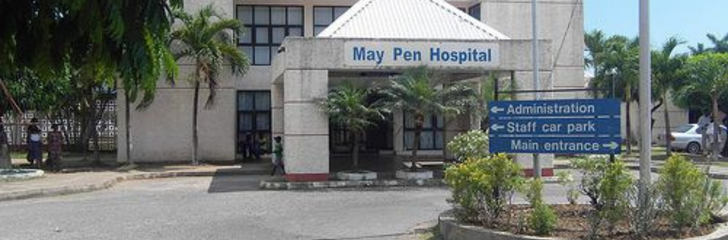
Public Healthcare: The Ministry of Health and Wellness is responsible for the public healthcare system. Public hospitals and health centers provide essential medical services, including emergency care, maternity services, and general medical consultations. The public healthcare system is funded through taxes.
Private Healthcare: Jamaica also has a private healthcare sector that offers a range of medical services. Private hospitals and clinics cater to individuals who can afford and prefer private healthcare services. Private healthcare is often sought for specialized treatments and shorter waiting times.
Health Insurance
Many Jamaicans have health insurance, either through their employment or individually purchased plans. Health insurance coverage helps individuals access private healthcare services and can contribute to the cost of medications and treatments.

Education System
Schooling
Structure of the Education System
- Early Childhood Education:
- Nursery: Optional program for children aged 3 to 5.
- Kindergarten: Optional program for children aged 4 to 6.
- Primary Education:
- Grades 1 to 6: Compulsory education for children aged 6 to 12.
- Secondary Education:
- Grades 7 to 11: Compulsory education for teenagers aged 12 to 16.
- Students usually take the Caribbean Secondary Education Certificate (CSEC) examinations at the end of Grade 11.
- Post-Secondary/ Tertiary Education:
- Colleges and Vocational Training: Offer various certificate and diploma programs.
- Universities: Provide degree programs at the undergraduate and postgraduate levels.
- Professional and Technical Training:
- Specialized institutions offer training in fields like nursing, agriculture, and technical skills.
- Adult Education:
- Programs are available for adults seeking further education.
Higher Education
Overview of Universities
University of the West Indies (UWI): Regional university in Mona, Jamaica, known for diverse programs and research focus.
University of Technology, Jamaica (UTech): Public university emphasizing applied sciences and technology.
Northern Caribbean University (NCU): Private, Christian-affiliated institution in Mandeville, offering programs in health sciences, business, and education.
Mico University College: Originally a teacher training institution in Kingston, providing degrees in education and related fields.
Safety and Security
Crime Rate
Overview of Crime Rates
Jamaica has faced challenges with crime, including violent crimes in certain urban areas and property crimes like theft. The government has implemented measures to address these issues, but travelers are advised to stay informed, exercise caution, and follow local guidance.
Emergency Services
Availability and Reliability
Police Services: The Jamaica Constabulary Force (JCF) is responsible for law enforcement. Police services are generally available, but response times may vary depending on the urgency of the situation and the specific location.
Fire Services: Fire services in Jamaica are provided by the Jamaica Fire Brigade. Fire stations are strategically located across the island to respond to emergencies. The response time depends on the proximity of the nearest fire station.
Medical Assistance: Emergency medical services, including ambulance services, are available. The availability of medical services may depend on the region, and response times can vary.
Contact Information and Procedures
In case of emergencies:
- General Emergencies: 119
- Police Assistance: 110

Utilities and Services
Utility Services
Availability and Reliability
Electricity: The Jamaica Public Service Company (JPS) is the primary utility provider for electricity. The standard voltage is 110V, and the frequency is 50Hz.
Water: The National Water Commission (NWC) is responsible for water supply and distribution. Access to potable water may vary in some rural areas.
Natural Gas: While natural gas is not widely used for household purposes in Jamaica, some industrial facilities may use it. The country largely relies on other sources for energy.
Costs Associated
| Service | Estimated Monthly Cost (Jamaican Dollars) |
| Electricity | Varies based on usage, typically JMD 10,000 - JMD 15,000 |
| Water | Varies by location, around JMD 3,000 - JMD 5,000 |
| Gas | Varies by provider and plan, approximately JMD 3,000 to JMD 4,000. |
Internet and Telecommunications
Internet Service Providers
Digicel Play: Digicel Play, a subsidiary of Digicel, provides internet services along with cable TV and voice services.
FLOW: FLOW, formerly LIME, offers broadband and mobile internet services. They provide a variety of plans for both residential and business users.
FLOW Jamaica: This is the telecommunications brand under which Cable & Wireless Communications operates in Jamaica. They offer internet services, including broadband and mobile internet.
Caribbean Cable Communications: This provider offers internet and cable TV services in Jamaica.
Social Integration and Communities
Social Integration
Overview of Societal Norms
Jamaican societal norms are characterized by warm hospitality, respect for elders, strong family values, and a significant influence of religion, particularly Christianity. Language is diverse, with English and Jamaican Patois spoken. The culture emphasizes resilience, vibrant music and dance, a relaxed dress code, flavorful cuisine, and pride in sports achievements, especially in cricket and track and field. These norms contribute to a sense of community and cultural identity.
Communities and Networking
Availability of Expatriate Communities
Expatriates in Jamaica often include professionals, retirees, and individuals working in sectors such as tourism, international development, and business. Popular areas for expatriates include Kingston, Montego Bay, and areas along the north coast.
Expatriate communities in Jamaica often engage in social activities, clubs, and events, providing opportunities for networking and building connections. Online platforms and local expat groups may also facilitate communication and support among the expatriate community.
Language and Communication
Importance of Knowing English
In Jamaica, knowing English is crucial as it is the official language used in education, business, government, and media. Proficiency in English is essential for effective communication, academic success, and participation in various formal and administrative contexts, including tourism and international relations.