
Fun and Leisure
Top Places to Visit | Activities and Festivals | Seasonal Highlights | Sports | Culinary Experience | Shopping and Souvenirs
Top Places to Visit
Historical Landmarks
Overview of significant historical landmarks and their importance:
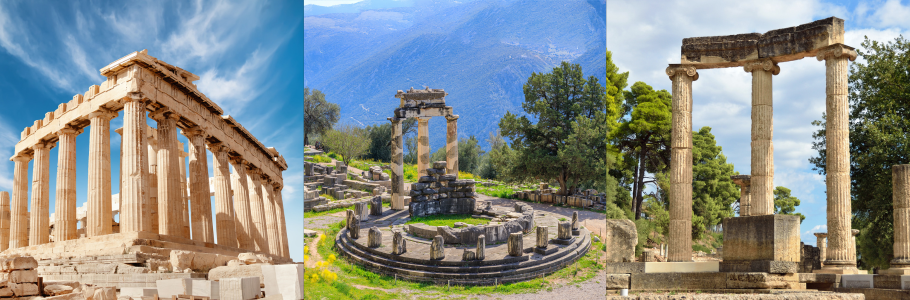
Greece, the cradle of Western civilization, boasts a plethora of historical landmarks. The Acropolis in Athens, an emblem of classical Greek aesthetics, houses the iconic Parthenon. Delphi, once regarded as the center of the world in ancient Hellenic religion, holds the Temple of Apollo. Olympia, the birthplace of the Olympic Games, showcases ancient sports arenas. Mycenae and Knossos provide insights into the ancient Mycenaean and Minoan civilizations, respectively.
Location, accessibility, and visitor guidelines for each landmark:
Most historical landmarks are accessible via public transport, private vehicles, or organized tours. Visitor facilities like guides, audio tours, and information plaques are common. It's recommended to respect posted guidelines, especially in areas of archaeological significance.
Key Historical Landmarks
| Landmark | Location | Significance |
| Acropolis | Athens | Classical Greek temple complex, UNESCO World Heritage |
| Delphi | Central Greece | Ancient religious sanctuary, UNESCO World Heritage |
| Olympia | Western Peloponnese | Ancient Olympic Games site, UNESCO World Heritage |
| Mycenae | Northeastern Peloponnese | Mycenaean civilization center, UNESCO World Heritage |
| Knossos | Crete | Minoan civilization palace complex |
Greek National Tourism Organisation
Natural Attractions
Description of renowned natural attractions and landscapes:
Greece's natural beauty rivals its historical richness. The stunning beaches of the islands, like Mykonos, Santorini, and Rhodes, attract millions. The unique rock formations of Meteora, crowned with monasteries, are a testament to nature's artistry and human ingenuity. Samaria Gorge in Crete offers trekking through one of Europe's longest canyons.
Information on biodiversity, ecosystems, and conservation efforts:
Greece's diverse landscapes are home to various ecosystems. The country's commitment to conserving its unique biodiversity is reflected in its numerous National Parks and protected areas, such as the Vikos-Ao�s National Park and Prespa National Park. Conservation efforts, both government-led and community-driven, ensure sustainable tourism.
Museums and Cultural Centers
Insight into notable museums, galleries, and cultural centers:
The National Archaeological Museum in Athens houses treasures spanning millennia. The Museum of Cycladic Art delves into the ancient Cycladic civilization. Thessaloniki's Museum of Byzantine Culture offers insights into the Byzantine era, while contemporary art finds a home in the National Museum of Contemporary Art in Athens.
Types of exhibits, collections, and cultural representations:
From ancient sculptures, pottery, and jewelry to Byzantine icons, frescoes, and modern art installations, Greece's museums cover a vast temporal and thematic spectrum. Temporary exhibitions and international collaborations further enrich their offerings.
Activities and Festivals
Traditional Festivals
Overview of traditional festivals and their historical significance:
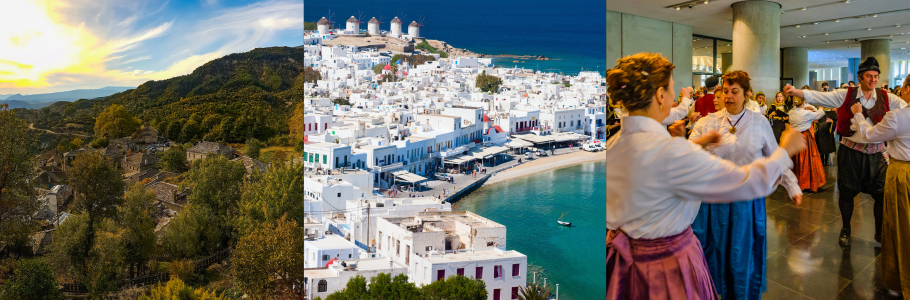
Greece's festivals mirror its rich culture. Easter, the most significant religious event, witnesses unique customs across the country. Carnival (Apokries) is celebrated with parades, costumes, and feasting. Panigiria, local saints' feast days, combine religious devotion with merriment.
Timing, locations, and customs associated with each festival:
Easter dates vary annually based on the Orthodox Church calendar. Carnival precedes Lent, while Panigiria dates differ according to local saints. Celebrations often include church services, processions, traditional music, dance, and food.
Recreational Activities
Description of popular recreational activities available in different regions:
Greece's diverse landscapes facilitate a wide range of recreational activities. The islands and coastal areas, such as the Ionian and Aegean coasts, are perfect for water sports, including sailing, windsurfing, and diving. The mountainous regions of Epirus and the Peloponnese cater to trekking, rock climbing, and winter sports enthusiasts.
Recommendations for outdoor activities, adventure sports, and relaxation:
- Sailing: The Cyclades and Ionian islands are sailors' paradises, with companies offering yacht rentals.
- Diving: Dive into the underwater wonders near Santorini or Crete.
- Trekking: The Vikos Gorge in Epirus and the Mount Olympus trails cater to both casual walkers and experienced hikers.
- Skiing: Winter sports enthusiasts can head to Mount Parnassus or Pelion during the colder months.
Recreational Activities by Region
| Region | Activities |
| Cyclades Islands | Sailing, Beach Volleyball, Diving |
| Epirus | Trekking, Canyoning, Rafting |
| Crete | Mountain Biking, Paragliding, Cave Explorations |
| Mount Parnassus | Skiing, Snowboarding, Winter Sports |
Nightlife and Entertainment
Overview of nightlife options, including clubs, bars, and live music venues:
From thumping nightclubs in Mykonos to laid-back beach bars in Paros and traditional music venues (rebetadika) in Athens, Greece's nightlife caters to varied tastes. Major cities like Athens and Thessaloniki offer a mix of sophisticated bars, rooftop lounges, and underground clubs. Traditional festivals often have late-night celebrations with folk music and dance.
Information on entertainment options like theaters, cinemas, and performance arts:
Greece has a rich theatrical tradition, with summer festivals showcasing ancient plays in venues like Epidaurus. Modern theaters in Athens and Thessaloniki stage contemporary Greek and international plays. Cinemas, both multiplexes and open-air variants, are popular, especially during summer.
Nightlife & Entertainment in Key Cities
| City | Key Venues/Spots |
| Athens | Gazi District, Plaka, Odeon of Herodes Atticus |
| Thessaloniki | Ladadika District, Valaoritou Street |
| Mykonos | Little Venice, Super Paradise Beach |
| Rhodes | Old Town, Orfanidou Street |

Seasonal Highlights
Seasonal Events and Celebrations
Insight into events, celebrations, and attractions available in different seasons:
Each season in Greece offers unique events and experiences. Spring witnesses Easter celebrations, with customs varying from island to island. Summer is festival season, with the Athens & Epidaurus Festival showcasing theatrical performances. Autumn brings grape harvests and wine festivals, especially in regions like Macedonia. Winter, though milder than northern Europe, offers skiing opportunities in mountainous areas.
Recommendations for the best time to visit based on interests and preferences:
- Culture Enthusiasts: Spring and summer for festivals and archaeological site visits.
- Beach Lovers: Late spring to early autumn for sunbathing, water sports, and island hopping.
- Adventure Seekers: Autumn for trekking, winter for skiing.
Weather and Climate
Overview of the climate in different regions and its impact on activities:
Greece enjoys a Mediterranean climate. Coastal areas have mild winters and hot, dry summers, while the interior can experience colder winters. The islands are typically sunnier and have a milder climate year-round. Activities can be chosen based on regional climate nuances.
Advice on weather-appropriate planning and packing:
Travelers are advised to pack light, breathable clothing for summers, especially if visiting islands or the coast. A hat, sunscreen, and hydration are summer essentials. For winter, especially if heading to the mountains, warm clothing, and appropriate footwear are crucial.

Sports
Popular Sports and Events
Overview of popular sports in Greece and notable sporting events:
Football (soccer) is unequivocally the most popular sport in Greece. The country's national team's victory in the 2004 UEFA European Championship remains a moment of immense national pride. Besides football, basketball holds significant attention, with the Greek Basketball League being one of Europe's top leagues.
Athletics has a deep-rooted connection to Greece, given its historical significance with events like the Marathon originating from Greek history. The Athens Classic Marathon is a tribute to this legacy. Water polo and volleyball have also seen Greek teams achieving success on the international stage.
Information on how to participate or attend sports events and matches:
To attend football matches or other sporting events, tickets can often be purchased online or at the venue. For participation in local sports clubs or amateur leagues, one can register with the relevant sports federations or local sports clubs. Greece also offers various sporting academies for young talents.
Key Sports and Leagues
| Sport | Major Leagues/Events | Top Clubs/Teams |
| Football | Super League Greece | Olympiacos, PAOK, AEK Athens |
| Basketball | Greek Basket League | Panathinaikos, Olympiacos |
| Volleyball | Hellenic Volleyball League | Olympiacos, PAOK |
| Water Polo | Greek Water Polo League | Olympiacos, Vouliagmeni |
Outdoor and Adventure Sports
Description of available outdoor and adventure sports and their locations:
Greece's diverse landscapes make it an ideal destination for outdoor enthusiasts. Mountain biking in areas like Crete and Pelion, rock climbing in Kalymnos, and paragliding over the valleys of Epirus are among the offerings. For water-based adventures, one can enjoy windsurfing in Rhodes, kitesurfing in Paros, and scuba diving in the Ionian Islands.
Guidelines on participating, equipment needed, and safety precautions:
Each sport or adventure activity has its own set of safety protocols. Most adventure sports providers furnish participants with essential gear and ensure adherence to safety norms. However, it's always recommended to ensure the reliability of service providers and to familiarize oneself with basic safety measures.
Adventure Sports by Region
| Region | Adventure Activities |
| Crete | Mountain biking, Canyoning |
| Kalymnos | Rock Climbing |
| Epirus | Paragliding, Rafting |
| Rhodes | Windsurfing |
| Paros | Kitesurfing |
| Ionian Islands | Scuba diving, Sailing |
Greek Adventure Sports Association

Culinary Experience
Cuisine
Overview of traditional cuisine, including regional specialties:
Greek cuisine, renowned for its health benefits and rich flavors, encompasses a wide range of dishes. Staples include moussaka, souvlaki, tzatziki, and baklava. Each region boasts its unique specialties, like pastitsio in the North and dakos in Crete. Fresh seafood is a highlight in coastal areas and islands.
Recommendations for restaurants, eateries, and food experiences:
Greece offers a plethora of dining experiences, from traditional tavernas serving local dishes to upscale restaurants offering modern Greek cuisine. For a genuine experience, one should try local eateries or kafeneios.
Wine and Beverages
Insight into wine and beverage culture:
Wine has been an integral part of Greek culture for millennia. Regions like Santorini and Crete produce distinct wines. The spirit Ouzo, usually served with a splash of water or ice, is quintessentially Greek. Raki or tsipouro, often homemade, are other popular distilled spirits.
Recommendations for wine tours, tastings, and local beverages to try:
Many vineyards offer tours and tasting sessions. Nemea in the Peloponnese, for instance, is renowned for its red wines, while Santorini is celebrated for its white wines. When in Greece, sampling local beverages at traditional tavernas or ouzeries is a must.
Shopping and Souvenirs
Shopping Destinations
Overview of major shopping destinations and what they offer:
Greece is a haven for shoppers, blending the charm of ancient crafts with modern fashion. In Athens, Ermou Street and Kolonaki offer a mix of high-end boutiques and local stores. The islands, especially Mykonos and Santorini, are known for luxury shopping and artisanal crafts. Thessaloniki's Tsimiski Street is another shopping hotspot, combining international brands with regional specialties.
Recommendations for local markets, boutiques, and malls:
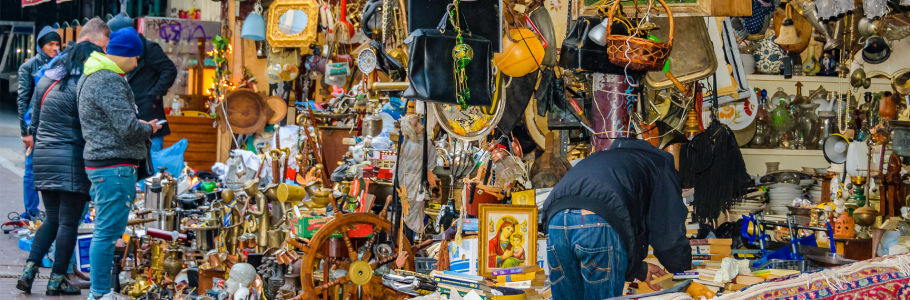
The Monastiraki Flea Market in Athens is perfect for trinkets and antiques. In Crete, the Heraklion market offers local produce and crafts. For a modern shopping experience, one can head to the Mall of Athens or Mediterranean Cosmos in Thessaloniki.
Shopping Destinations by Region
| Region/City | Shopping Hotspots |
| Athens | Ermou Street, Monastiraki, Kolonaki, Mall of Athens |
| Thessaloniki | Tsimiski Street, Mediterranean Cosmos |
| Mykonos | Matoyianni Street |
| Crete | Heraklion Market, Chania Old Town |
Local Crafts and Souvenirs
Description of local crafts, artisan products, and unique souvenirs:
Greece's artisanal heritage is reflected in its handcrafted products. Traditional items include ceramic pottery, handwoven textiles, and leather goods. Olive oil and its derivatives, such as soap, are coveted souvenirs. For lovers of jewelry, the "mati" or evil eye pendant is a popular choice.
Recommendations on where to buy authentic and quality products:
Authentic crafts can be found in local markets or specialized boutiques. When in islands like Rhodes or Santorini, seek out artisanal workshops. For olive oil, local producers or agrotourism ventures ensure quality and authenticity.
Popular Souvenirs and Where to Find Them
| Souvenir | Best Places to Buy |
| Ceramics | Islands of Rhodes, Sifnos |
| Olive Oil | Crete, Peloponnese |
| Handwoven Textiles | Naxos, Crete |
| Evil Eye Jewelry | Athens, Mykonos, Most Tourist Shops |
Handmade Greek Artisan Products