About Greece
About
Work and Business
Living
Fun and Leisure
Residency and Citizenship
Investing
Services
Overview | Climate and Geography | Demographics | Culture and Heritage | Language and Communication
Overview
Brief History
Formation and early history:
The roots of Greek civilization can be traced back to the Bronze Age with the emergence of the Minoan civilization on the island of Crete, around 2600 BC. This maritime empire, known for its grand palaces and vibrant frescoes, thrived on trade and navigation. Around 1600 BC, the Mycenaean civilization began on the Greek mainland, leaving behind fortified palaces and Linear B script tablets.
The subsequent Dark Ages saw the decline of these Bronze Age cultures, but by the 9th century BC, the seeds of classical Greek culture were being sown. The Archaic period (8th-5th century BC) was marked by the rise of city-states or 'poleis', with Athens, Sparta, and Corinth becoming dominant centers of power.
However, it was the Classical period (5th and 4th centuries BC) that truly underscored Greece's significance in world history. This era bore witness to remarkable advancements in art, philosophy, politics, and science. Thinkers such as Socrates, Plato, and Aristotle laid the foundations for Western philosophy. The mighty Persian Empire was repulsed in the Greco-Persian Wars, and the Delian League, under Athenian leadership, grew powerful.
The Hellenistic era that followed saw the vast conquests of Alexander the Great, who spread Greek culture across three continents. The influence of Hellenism persisted even after the Romans conquered Greece in 146 BC.
Recent history (20th and 21st century):
The 20th century was one of tumult and transition for Greece. The country saw its share of wars, with the Balkan Wars, World War I, the Asia Minor Catastrophe, and World War II leaving indelible scars on the national psyche. The German occupation (1941-1944) was particularly brutal, followed by a civil war between communist and nationalist forces, further destabilizing the nation.
The post-war period was marked by political instability, with periods of democracy being interrupted by military juntas, the most notorious of which lasted from 1967 to 1974. Democracy was finally restored in 1974, and the monarchy was abolished, making Greece a republic. The latter part of the century saw Greece join the European Community in 1981 and subsequently adopt the Euro in 2001.
However, the 21st century brought with it economic challenges. A severe financial crisis from 2008 onwards led to international bailouts and tough austerity measures. Although this period was fraught with social and economic challenges, Greece has shown resilience and is on a slow path to recovery.
Political Structure
Current government and political climate:
Greece operates as a parliamentary republic. The President, a role that is mainly ceremonial, is the head of state, representing national unity. Executive power is vested in the government, headed by the Prime Minister, the head of government. The Hellenic Parliament, a unicameral legislative body, holds the legislative reins.
Greece's political landscape has traditionally been dominated by two major parties: New Democracy (center-right) and PASOK (Panhellenic Socialist Movement, center-left). However, the financial crisis led to the emergence of SYRIZA (Coalition of the Radical Left) as a major political force, reflecting shifts in the country's political dynamics.
Relationship with the European Union:
Greece joined the European Union (then the European Community) in 1981, marking a significant step in its post-war foreign policy. The country adopted the Euro as its currency in 2001. While the EU-Greece relationship faced challenges during the financial crisis due to bailouts and austerity conditions, Greece remains an integral member of the union, advocating for southern European interests.
Economy
Overview of the economy and economic sectors:
Greece's economy, though diverse, heavily leans on its service sector, particularly tourism. The nation's rich historical heritage, coupled with its sun-soaked islands, makes it a magnet for tourists worldwide. Apart from tourism, shipping is another dominant sector; Greece has one of the world's largest merchant navies.
Agriculture, too, plays a significant role, with Greece being a major producer of crops like olives, grapes, and tobacco. Manufacturing, including food processing, textiles, and chemicals, also contribute to the economy.
Currency and economic stability:
The Euro (�) serves as Greece's official currency. The financial crisis that began in 2008 tested Greece's economic stability. Facing sovereign debt issues, Greece had to resort to three major bailouts from international creditors. The conditions attached to these bailouts, including austerity measures, have been the source of much debate and social unrest. However, in recent years, there's been a concerted effort to reform and stabilize the economy, with Greece showing signs of recovery.
Education and Healthcare
Overview of the education system:
Education in Greece is divided into primary, secondary, and tertiary stages. Compulsory education spans nine years, covering primary and lower secondary education. Greek students then either continue to academic high schools or vocational training institutes. Higher education comprises universities and technological educational institutes. Greek universities, like the National and Kapodistrian University of Athens, enjoy international acclaim in various disciplines.
Healthcare system and facilities:
Greece offers a mix of public and private healthcare services. The National Health System (ESY) provides comprehensive health services to residents, either free or at a low cost. Urban areas boast state-of-the-art medical facilities, while some remote regions might have basic healthcare infrastructure. The quality of healthcare, especially in major cities, is on par with European standards.

Climate and Geography
Geography
Regions and their characteristics:
Greece, located at the southeastern tip of Europe, is predominantly mountainous, accounting for about 80% of its terrain. Its total land area spans approximately 131,957 square kilometers. Greece is divided into several regions, each with its distinct characteristics:
- Macedonia and Thrace: Located in the north, these regions are characterized by vast plains and high mountains. Mount Olympus, Greece's highest peak, lies in Macedonia and is steeped in mythological significance.
- Central Greece: This region is dominated by the Pindus mountain range, which stretches down to the central part of the country.
- Peloponnese: A large peninsula connected to the mainland by the Isthmus of Corinth, it's home to ancient ruins and high mountains.
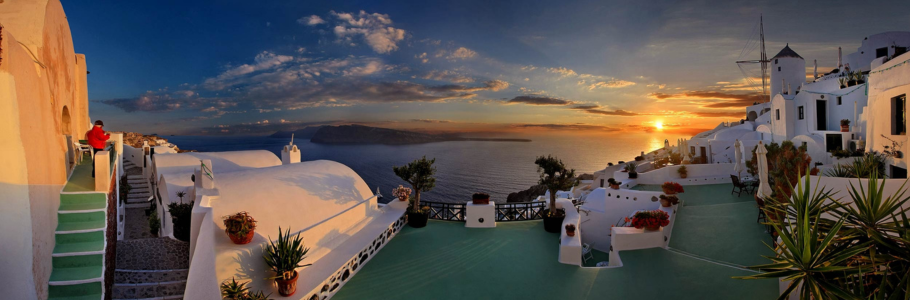
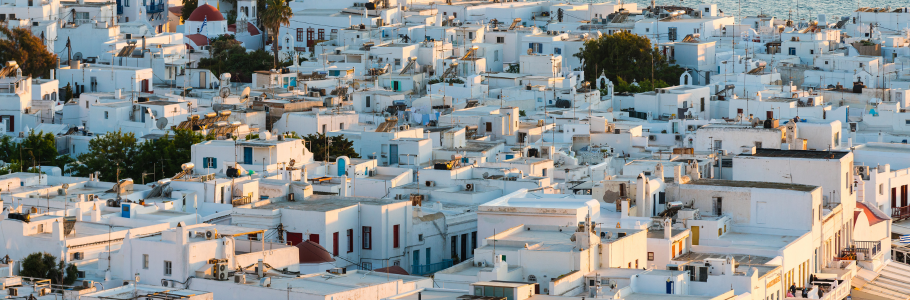
- Aegean Islands: Comprising several islands such as the Cyclades, Dodecanese, and North Aegean islands, they're known for their beautiful beaches and rich history.
- Ionian Islands: Located off the west coast of the mainland, these islands have a distinct architectural and historical influence due to Venetian rule.
- Crete: The largest of the Greek islands, Crete boasts diverse landscapes ranging from sandy beaches to towering mountains.
Major cities and towns:
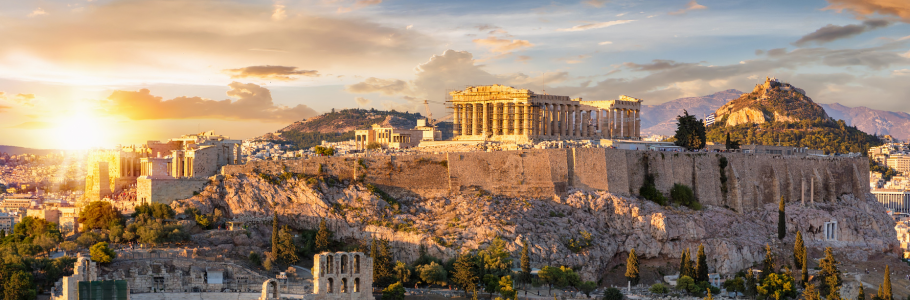
- Athens: The capital and the largest city, it's the historical and cultural heart of Greece, housing landmarks like the Acropolis.
- Thessaloniki: Greece's second-largest city, known for its festivals, events, and vibrant cultural scene.
- Patras: An important port city connecting Greece to Italy.
- Heraklion: The capital of Crete and a major urban center.
- Larissa: Located in the Thessalian plain, it's an important agricultural center.
Climate
Climate variations by region:
Greece enjoys a Mediterranean climate characterized by wet winters and hot, dry summers. However, there are variations:
- Coastal areas: Mild winters and hot, dry summers.
- Mountainous regions: Colder winters with snowfall and cooler summers.
- Northern regions: Experience colder temperatures during winter with potential for severe cold spells.
- Islands: Typically enjoy milder winter temperatures and a breeze during summer, which can be particularly refreshing.
Best times to visit:
Spring (April to early-June) and fall (September to October) are considered the best times to visit Greece. During these periods, the weather is pleasant, and the tourist spots are less crowded. Summer (July-August) is the peak tourist season, especially on the islands, but can be quite hot. Winter offers a unique charm, especially in the mountainous regions, which are popular for winter sports.
Demographics
Population
Population size and density:
By the latest available data, Greece's population is estimated at approximately 10.4 million residents. With a total land area of about 131,957 square kilometers, this gives Greece a population density of around 79 people per square kilometer. Over the years, Greece has witnessed a slowly declining population due to a combination of an aging populace, a low birth rate, and recent economic challenges which led many young Greeks to seek opportunities abroad.
Age distribution:
Greece's population has an older age profile. The median age is in the early 40s, indicating that the nation's populace is aging. The country has a higher proportion of individuals aged 65 and over, making it one of the countries with the highest median ages in Europe. This aging population poses challenges, especially in areas like healthcare and pension systems.
Ethnic Composition
Predominant ethnic groups:
The vast majority of Greece's population identifies as ethnically Greek. This homogeneous ethnic composition is a result of historical processes, including population exchanges with neighboring countries in the early 20th century.
Minority communities:
While Greece is predominantly Greek, there are small recognized minorities. The most significant is the Muslim Turkish minority residing primarily in Western Thrace. Other minority groups include the Romani, Albanians, and smaller communities from Asia and Africa, many of whom have come to Greece in recent decades due to migration and refugee movements.
Religion
Predominant religions and their influence on culture:
The dominant religion in Greece is Eastern Orthodox Christianity, with the Church of Greece being its primary representative. Orthodoxy plays a central role in the cultural and spiritual life of Greeks. Many traditions, holidays, and ceremonies are tied to the church, reflecting its historical and ongoing significance in Greek life.
Religious freedom and tolerance:
While the Eastern Orthodox Church holds a significant place in Greek society, the constitution guarantees freedom of religion. There are communities of Roman Catholics, Protestants, Jews, and Muslims in the country. Generally, there is religious tolerance, but occasional tensions might arise, primarily related to issues of historical or political significance rather than strictly religious differences.
Culture and Heritage
Traditional Customs
Festivals and holidays:
Greece is renowned for its plethora of traditional festivals and holidays, deeply rooted in its rich history and the Orthodox Christian faith. One of the most significant religious celebrations is Easter, which often surpasses Christmas in importance. It's marked by church services, processions, and traditional foods like lamb and the 'tsoureki' bread.
Another notable event is the Carnival (Apokries) leading up to Lent. It involves masquerade events, parades, and lively celebrations, with notable ones taking place in Patras and Xanthi.
Non-religious festivals like the August Moon Festival, celebrating the summer full moon with evening events at archaeological sites, and the Ochi Day on October 28th, commemorating Greece's resistance in WWII, also hold significant cultural importance.
Traditional clothing and cuisine:
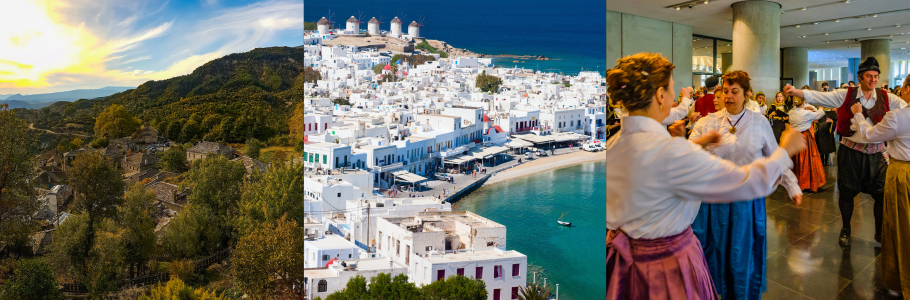
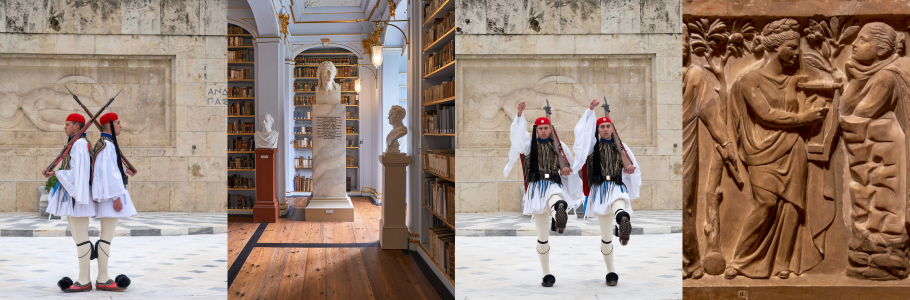
Traditional Greek clothing, though not commonly worn in daily life, still holds symbolic value. The 'fustanella' (a kilt-like garment) for men and the 'amalia' costume for women are often seen during official ceremonies and folk dance performances.
Greek cuisine, known for its health benefits and rich flavors, includes staples like olive oil, feta cheese, and dishes such as moussaka, souvlaki, and tzatziki. Greece's culinary traditions are tied closely to its seasonal and regional produce, and meals are often considered a time for family gatherings and socialization.
Art and Architecture
Influential artists and architects:
Greece's art legacy is vast. From the classical sculptures like Phidias, who created the Parthenon's statue of Athena, to modern painters like Nikos Hadjikyriakos-Ghikas, Greek art has continually evolved. Architecturally, ancient builders and architects like Ictinus and Callicrates, who worked on the Parthenon, set standards that influence architecture globally even today.
Notable art movements and architectural styles:
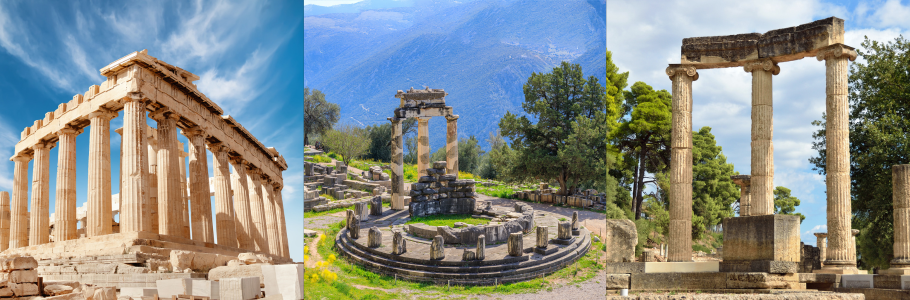
Ancient Greek architecture is recognized for its orders: the Doric, Ionic, and Corinthian, with temples like the Parthenon in Athens and the Temple of Apollo at Delphi showcasing these styles. Byzantine art and architecture, emerging later, gave birth to iconic domed structures like the Hagia Sophia in Istanbul.
Modern art movements in Greece were influenced by European trends but retained distinct Greek sensibilities. The 19th and 20th centuries saw the emergence of the Munich School and the Generation of the '30s, both of which left indelible marks on Greek art.
Music and Dance
Traditional music and dance forms:
Greek music and dance are integral to its cultural identity. Traditional music genres include rebetiko, often called the Greek blues, and the island tunes of nisiotika. Dances like the sirtaki, kalamatianos, and hasapiko are integral to local festivals and celebrations.
Contemporary music scene:
While Greece cherishes its musical traditions, it also embraces contemporary sounds. Artists like Maria Callas in opera and Mikis Theodorakis in contemporary music have achieved international acclaim. The annual Epidaurus Festival and Athens Festival are major events showcasing both traditional and modern performances.
UNESCO World Heritage Sites
Description of major heritage sites:
Greece is home to numerous UNESCO World Heritage sites. The Acropolis in Athens, with its ancient temples, is one of the most iconic. Delphi, once considered the center of the world in ancient Greek religion, and the medieval town of Rhodes are other notable sites. The monasteries of Meteora, perched atop natural stone pillars, represent a unique blend of natural beauty and architectural prowess.
Importance to culture and heritage:
These sites are not just tourist attractions but symbols of Greece's enduring legacy in shaping Western civilization. They're pivotal in understanding Greece's contributions to philosophy, art, architecture, and religion.
Language and Communication
Official Language
Predominance of Greek:
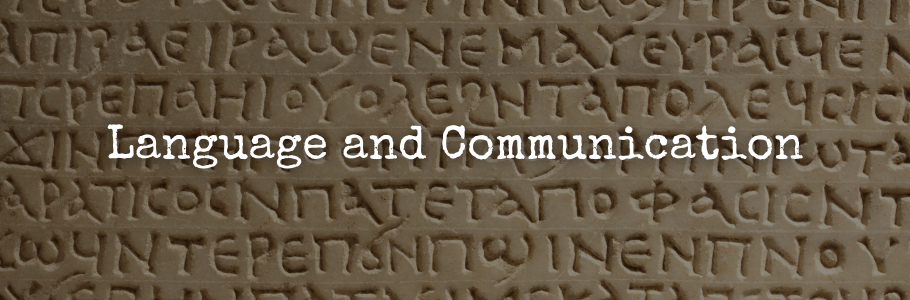
Greek is not just the official language of Greece, but also a testament to the country�s rich historical and cultural legacy. With its roots stretching back to the Mycenaean civilization, evidenced by the Linear B script from the 2nd millennium BC, the Greek language has contributed significantly to the lexicon of various fields, from sciences to arts. The modern Greek language, while evolved, retains many features of its ancient counterpart and continues to be a vital link to the nation�s glorious past.
Regional languages:
Although Greek is the dominant language, there are pockets within Greece where other languages due to historical, ethnic, or migratory reasons are spoken. In regions like Western Thrace, Turkish is spoken by the Muslim minority. The Romani language is spoken among the Romani communities. Additionally, there are pockets of Arvanitika and Macedonian speakers, though these languages are now less prevalent and often limited to older generations.
English Proficiency
Level of English proficiency among the population:
Greece, recognizing the importance of English in global communication, has incorporated it into its educational curriculum. As a result, many Greeks, especially those in urban areas or from younger generations, have a functional grasp of English. It's particularly evident in tourist areas, where locals interact with international visitors.
English as a medium of instruction in schools:
While Greek remains the primary language of instruction in schools, there is an increasing number of private institutions and some university courses that offer programs in English, especially designed for international students or specialized fields.
Communication Style
Formality and informality in communication:
Greek communication is often direct, yet it retains a warmth and expressiveness. Gestures play a crucial role in Greek conversations. Personal relationships and trust are valued, so it's not uncommon for discussions, even business ones, to start with personal inquiries. Respect is crucial, especially towards elders.
Non-verbal communication cues and conventions:
Non-verbal communication is expressive in Greek culture. Eye contact is essential, indicating attentiveness and sincerity. However, some gestures may be unique. For instance, the upward nod of the head means 'no', while the moutza gesture (extending the arm out with the palm open and fingers spread) is a sign of disdain or dismissal.