
Work and Business
Economy Overview | Remote Work Conditions | Local Business Environment | Legal and Regulatory Environment | Transport and Infrastructure
Economy Overview
Economic Landscape
Overview of the economy, focusing on its stability and growth:
The Dominican Republic, with its strategic Caribbean location, boasts one of the most robust economies in the region. Key contributors include tourism, agriculture (particularly sugar, tobacco, and coffee), and mining. The nation has consistently witnessed positive GDP growth, attributed to its diversified economy and investment in infrastructure.
Key industries and sectors and their contribution to the GDP:
Tourism remains a major pillar, especially with renowned destinations like Punta Cana and Puerto Plata attracting millions annually. Remittances from Dominicans living abroad also significantly impact the nation's economy. The free trade zones in the country, coupled with its Free Trade Agreement with the United States (CAFTA-DR), have bolstered exports, especially textiles, apparel, and electronic products.
Job Market
Overview of the job market, including demand in different sectors:
The service sector, primarily driven by tourism, employs the most significant portion of the workforce. Agriculture, once the dominant employer, has seen a decrease yet remains critical, especially in rural areas. There's an increasing demand in sectors like IT, finance, and telecommunications as the Dominican Republic modernizes and diversifies its economy.
Unemployment rate and workforce demographics:
The unemployment rate has experienced fluctuations but remains at a moderate level. The youthful population means that there's a steady influx of young professionals entering the job market, necessitating economic growth to absorb this demographic.
Investment Climate
Investment opportunities and trends:
The government has actively sought foreign direct investment (FDI), with incentives in sectors like renewable energy, tourism, and agribusiness. The nation's free trade zones offer attractive benefits, including tax exemptions and full repatriation of profits.
Government incentives for foreign investors:
To attract FDI, the Dominican Republic provides incentives such as tax breaks, reduced import duties, and expedited business registration processes, particularly for sectors deemed high-priority.
Dominican Republic Economic Snapshot
| Parameter | Details |
| GDP Growth Rate | Approx. 5% (Annual average over the past few years) |
| Major Export Partners | United States, Canada, Europe |
| Major Import Partners | United States, China, Mexico |
| Primary Export Products | Textiles, Medical Devices, Agricultural Products |
Links for Further Reference:
Dominican Republic's Investment Promotion Agency

Remote Work Conditions
Remote Work Culture
Prevalence of remote work in the Dominican Republic:
Though traditional office-based roles are still dominant, the increasing influence of technology and global trends means that remote work is on the rise, especially in sectors like IT, customer support, and digital marketing.
Attitudes towards remote work from employers and the workforce:
While there might have been initial hesitations, the COVID-19 pandemic played a role in changing perceptions. Many companies are now more open to remote and flexible work conditions, seeing benefits in productivity and employee well-being
Work-Life Balance
Expectations and norms around work hours and productivity:
Traditional work hours in the Dominican Republic run from 8 am to 5 pm with a lunch break. However, with the advent of remote work, there's greater flexibility in work schedules. The emphasis has shifted towards productivity and task completion rather than fixed hours.
Support and infrastructure available for remote workers:
Many urban centers, especially Santo Domingo and Punta Cana, have seen the rise of co-working spaces. These spaces cater to freelancers, entrepreneurs, and remote workers, offering high-speed internet, networking opportunities, and conducive work environments.
Internet and Technology
Internet connectivity and reliability across different regions:
Major cities in the Dominican Republic enjoy reliable high-speed internet connectivity. However, as one moves into the more rural or mountainous regions, the reliability may decrease. Major telecom companies like Claro and Orange provide widespread coverage.
Availability of co-working spaces and their facilities:
As mentioned, co-working spaces are sprouting up, particularly in major cities. These spaces offer amenities such as dedicated workstations, meeting rooms, high-speed internet, and opportunities for professional networking.
Remote Work in the Dominican Republic
| Parameter | Details |
| Average Internet Speed | Approx. 20 Mbps (varies by location) |
| Top Co-working Spaces | Santo Domingo Co-work, Punta Cana Business Center |
| Popular Remote Job Sectors | IT, Customer Support, Digital Marketing |
Links for Further Reference:
Internet Speed and Coverage Report

Local Business Environment
Starting a Business
Procedures and requirements for starting a business:
Starting a business in the Dominican Republic is streamlined, requiring registration with the Chamber of Commerce, obtaining a tax identification number, and registering for social security. The government has initiatives to reduce bureaucratic hurdles for entrepreneurs.
Costs associated with starting a business, including taxes and fees:
The costs vary based on the nature and size of the business. However, initial registration fees, notary fees, and licensing costs can be expected. The nation has a progressive corporate tax system, with rates varying based on company profits.
Business Culture
Overview of business etiquette and cultural norms:
Dominicans value relationships in business. Face-to-face meetings are preferred over virtual interactions. It's common to engage in small talk before delving into business matters. Punctuality is appreciated, though not always strictly adhered to.
Language and communication style in a professional setting:
While Spanish is the predominant business language, English is commonly understood, especially in sectors that deal with international partners. Communication is direct yet respectful, with an emphasis on building mutual trust.
Networking Opportunities
Availability of business networking events and groups:
Various chambers of commerce, including the American and European chambers, regularly host networking events. Additionally, industry-specific conferences, seminars, and trade shows are held throughout the year.
Prominent industry conferences and trade shows:
Events such as the Dominican Republic Global Film Festival, Agroalimentaria Fair, and the Caribbean Tourism Exchange provide platforms for professionals to meet, collaborate, and foster business relationships.
Business Environment in the Dominican Republic
| Parameter | Details |
| Ease of Doing Business Ranking | 115th (as of the latest report) |
| Corporate Tax Rate | 27% (Standard rate) |
| Top Business Events | Dominican Republic Global Film Festival, Agroalimentaria Fair |
Links for Further Reference:
Dominican Republic Chamber of Commerce
American Chamber of Commerce, DR

Legal and Regulatory Environment
Business Laws and Regulations
Overview of laws governing business operations:
The Dominican Republic has a comprehensive legal framework that governs business operations, from company formation to labor laws and trade regulations. This includes the Commercial Code, the Labor Code, and specific laws related to particular industries.
Intellectual property rights and protections:
The nation adheres to international intellectual property (IP) conventions, providing protections for patents, trademarks, and copyrights. The National Office of Industrial Property (ONAPI) oversees IP registrations and enforcement.
Employment Laws
Overview of labor laws, including contracts, wages, and working hours:
The Dominican Labor Code stipulates conditions for contracts, minimum wages, working hours (typically 44 hours per week), and termination norms. Employee rights, such as annual leave, maternity/paternity leave, and benefits, are also outlined.
Employee rights and employer obligations:
Employees have the right to form or join unions, receive fair compensation, and work in safe conditions. Employers are obligated to ensure workplace safety, adhere to minimum wage laws, and provide social security contributions.
Taxation
Overview of tax regulations for businesses:
Companies are subject to corporate income tax, value-added tax (VAT), and other specific industry-related taxes. There are also tax incentives available for investments in specific sectors or regions.
Corporate tax rates and incentives for businesses:
The standard corporate tax rate is 27%. However, investments in sectors like tourism, renewable energy, and agribusiness may qualify for tax breaks or reductions.
Legal and Regulatory Snapshot
| Parameter | Details |
| Major Business Laws | Commercial Code, Labor Code |
| IP Regulatory Body | National Office of Industrial Property (ONAPI) |
| Standard Working Hours | 44 hours per week |
Links for Further Reference:
ONAPI - Intellectual Property in the DR
Transport and Infrastructure in the Dominican Republic
Public Transportation
Overview of public transport availability and reliability
Public Transport System: The Dominican Republic's public transport system consists of buses, shared taxis (called "carros p�blicos"), and motoconchos (motorcycle taxis). While these forms of transportation are widespread, they might not always adhere to a strict schedule. Buses are the primary means of intercity travel, with several private companies operating routes connecting major cities.
Costs associated with using public transportation: Public transport is affordable, making it a popular choice for daily commuting. For instance, local bus fares in cities like Santo Domingo can start from as low as 25 Dominican pesos, while intercity buses may range from 100 to 500 pesos, depending on distance and comfort level.
Airports and International Travel
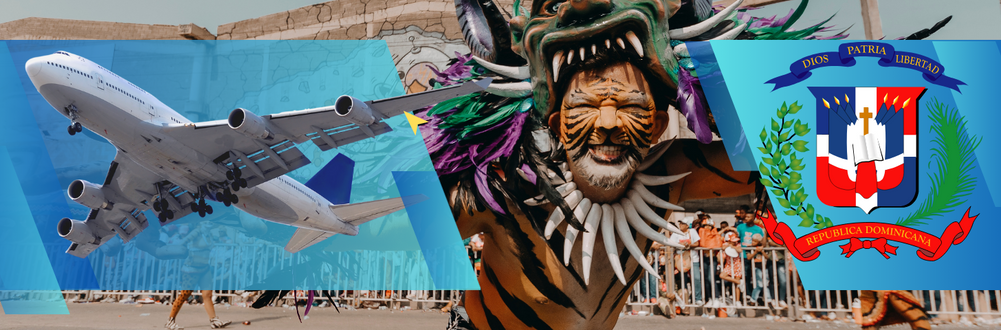
Major international airports and airlines operating in the Dominican Republic: The Dominican Republic hosts several international airports, with Las Am�ricas International Airport in Santo Domingo and Punta Cana International Airport in Punta Cana being the busiest. These airports serve numerous international destinations, with airlines like Delta, JetBlue, American Airlines, and Air Canada operating regular flights.
Connectivity with other countries and frequency of flights: The DR is well-connected to North America, Europe, and other Caribbean nations. Due to its popularity as a tourist destination, there are frequent flights, especially from the US, Canada, and major European cities.
Road and Rail Infrastructure
Quality of roads and availability of rail networks: The Dominican Republic has seen significant improvement in its road infrastructure over the past decades. Major highways connect key cities, and road conditions in urban areas are generally good. Rural roads, however, can be uneven or unpaved. The country does not have a significant rail network, with rail transportation primarily used for sugar cane transport.
Accessibility and connectivity between different regions: The country's compact size and improved highway system ensure that most regions are easily accessible. The recently completed Coral Highway has significantly reduced travel time between Santo Domingo and Punta Cana.
Transport and Infrastructure Overview
| Parameter | Details |
| Number of International Airports | 8 |
| Major Bus Companies | Caribe Tours, Metro Bus |
| Main Highways | DR-1, DR-2, DR-3, Coral Highway |
Links for Further Reference:
Las Am�ricas International Airport
Punta Cana International Airport