
Fun and Leisure
Top Places to Visit | Activities and Festivals | Seasonal Highlights | Sports | Culinary Experience | Shopping and Souvenirs
Top Places to Visit
Historical Landmarks
Overview of significant historical landmarks and their importance: The Dominican Republic, as the site of the first permanent European settlement in the Americas, is home to a plethora of historical sites. Santo Domingo's Colonial Zone is a UNESCO World Heritage site, preserving many buildings from the 16th century, such as the Catedral Primada de América - the oldest cathedral in the Americas.
Location, accessibility, and visitor guidelines for each landmark: The Colonial Zone in Santo Domingo is easily walkable, with many of its landmarks clustered close together. Visitors can access guided tours, or explore independently, with many signs and information panels available in both Spanish and English.
Natural Attractions
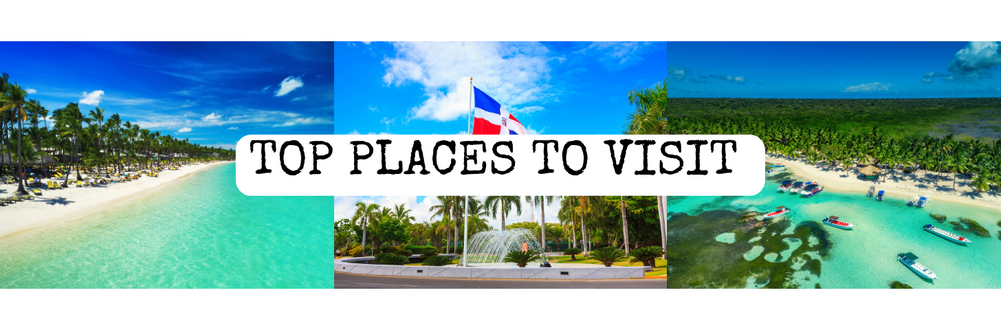
Description of renowned natural attractions and landscapes: Beyond its pristine beaches, the DR offers diverse natural landscapes. The 27 Charcos (27 Waterfalls) of Damajagua is a series of cascading waterfalls you can climb, jump and slide down. The Parque Nacional Los Haitises is a unique karst landscape with mangrove forests, caves, and islets.
Information on biodiversity, ecosystems, and conservation efforts: The DR is home to a variety of ecosystems, from cloud forests to arid regions. Efforts have been made to protect these, with multiple national parks and protected areas across the country.
Museums and Cultural Centers
Insight into notable museums, galleries, and cultural centers: Museums like the Museo del Hombre Dominicano and the Museo de Arte Moderno in Santo Domingo offer insights into the nation's history and contemporary art scenes.
Types of exhibits, collections, and cultural representations: These institutions showcase the country's rich Taino heritage, colonial history, and modern art movements, helping visitors understand the DR's cultural evolution.
Activities and Festivals
Traditional Festivals
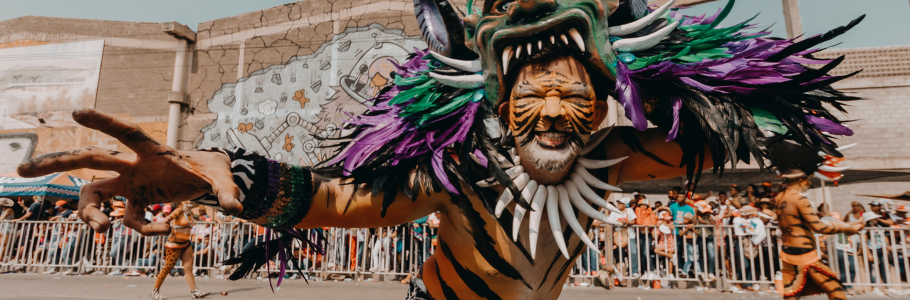
Overview of traditional festivals and their historical significance: One of the biggest celebrations is the Carnaval Dominicano in February, with parades, costumes, and music. It's a blend of the country's Taino, Spanish, and African heritages.
Timing, locations, and customs associated with each festival: Carnaval is celebrated across the country, with each region having its unique flair. La Vega's celebrations are particularly famous, characterized by their vibrant "diablos cojuelos" costumes.
Recreational Activities
Description of popular recreational activities available in different regions: Beach activities like surfing, snorkeling, and diving are popular on the coast. Inland, hiking, mountain biking, and caving attract adventurous travelers.
Recommendations for outdoor activities, adventure sports, and relaxation: For diving, Bayahibe offers stunning coral reefs. Pico Duarte, the Caribbean's highest peak, provides challenging treks.
Seasonal Highlights in Dominican Republic
Seasonal Events and Celebrations
Insight into events, celebrations, and attractions available in different seasons: December is marked by Christmas festivities, while Easter is celebrated with religious fervor. Summer months often see music and cultural festivals.
Recommendations for the best time to visit based on interests and preferences: For beach lovers, the period from December to April, being the dry season, is ideal. Cultural enthusiasts might prefer the carnival season in February.
Top Leisure Attractions in the Dominican Republic
| Category | Recommendations |
| Historical Sites | Colonial Zone, Alcázar de Colón |
| Natural Spots | 27 Charcos, Parque Nacional Los Haitises, Samaná Peninsula |
| Museums | Museo del Hombre Dominicano, Museo de Arte Moderno |
| Festivals | Carnaval Dominicano, Merengue Festival in Santo Domingo |
Links for Further Reference:
National Parks and Protected Areas
Carnaval Dominicano Information
Sports in the Dominican Republic
Popular Sports and Events
Overview of popular sports in the Dominican Republic and notable sporting events:
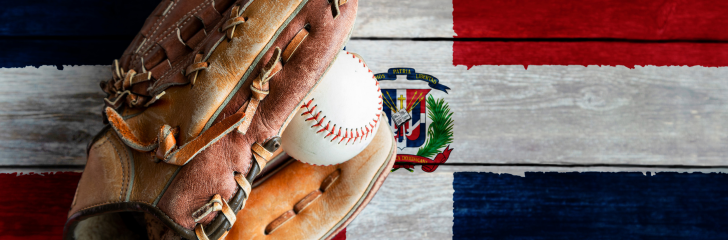
Baseball is undeniably the most popular sport in the Dominican Republic. The country has produced many Major League Baseball (MLB) players, and baseball academies are ubiquitous throughout the nation. The Dominican Winter Baseball League is the premier professional baseball league, with games played from October to January.
Beyond baseball, basketball and volleyball also have a significant following, especially in urban areas. Boxing and athletics are other sports where Dominicans have achieved international success.
Information on how to participate or attend sports events and matches:
For baseball enthusiasts, attending a game in one of the stadiums during the season is an unforgettable experience. Tickets can be purchased at stadium counters or online for major matches. Those interested in participating in sports can join local clubs or academies, which are widespread and cater to various proficiency levels.
Outdoor and Adventure Sports
Description of available outdoor and adventure sports and their locations:
The diverse landscapes of the Dominican Republic make it a haven for adventure sports. From windsurfing and kitesurfing in Cabarete, known as the Caribbean's windsurfing capital, to whitewater rafting in the Rio Yaque del Norte, there's something for everyone. The country's mountainous terrains, especially around Jarabacoa and Constanza, offer opportunities for mountain biking, canyoning, and paragliding.
Guidelines on participating, equipment needed, and safety precautions:
For water sports, reputable operators in tourist areas provide equipment rentals and lessons. Safety is paramount, so always ensure that equipment is in good condition and that guides have valid certifications. For mountain and adventure sports, local tour operators offer guided excursions, often including necessary equipment and safety gear.
Sporting Highlights in the Dominican Republic
| Sport | Top Locations or Teams | Notable Events or Tournaments |
| Baseball | Tigres del Licey, Águilas Cibaeñas, Estrellas Orientales | Dominican Winter Baseball League |
| Basketball | Clubs in Santo Domingo, San Cristóbal, La Romana | Liga Nacional de Baloncesto |
| Windsurfing | Cabarete, Puerto Plata | Master of the Ocean Event |
| White-water rafting | Rio Yaque del Norte, near Jarabacoa | Various seasonal excursions |
Links for Further Reference:
Dominican Winter Baseball League Schedule and Tickets
Windsurfing events in Cabarete
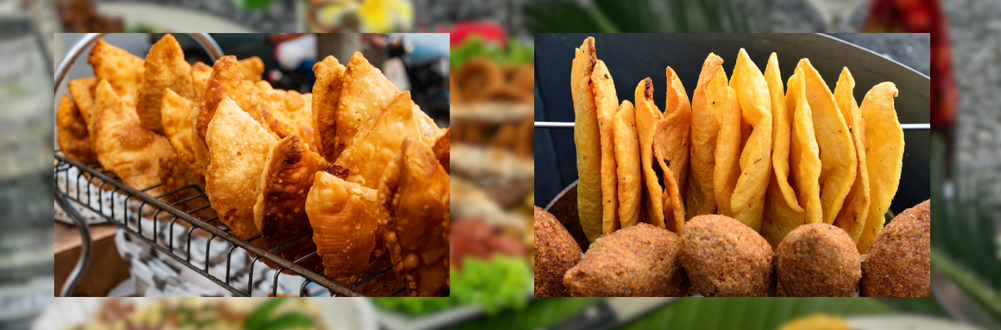
Culinary Experience in the Dominican Republic
Cuisine
Overview of traditional cuisine, including regional specialties:
The Dominican Republic boasts a rich culinary heritage influenced by its Taino, Spanish, and African roots. Staple dishes revolve around rice, beans, meats, and fresh produce. La Bandera Dominicana, translated as the "Dominican Flag", is a classic dish consisting of rice, red beans, and meat (often chicken).
Another popular dish is Sancocho, a hearty stew with meats, tubers, and vegetables, traditionally cooked over an open flame. Coastal regions are renowned for fresh seafood dishes, while mountainous areas may feature more hearty, meat-heavy dishes.
Recommendations for restaurants, eateries, and food experiences:
For an authentic experience, visitors can try local comedores or fondas – small eateries serving home-style dishes. For gourmet Dominican dining, Santo Domingo boasts several upscale restaurants blending traditional flavors with modern culinary techniques.
Wine and Beverages
Insight into wine and beverage culture:
While the Dominican Republic isn't known for its wine production, it's renowned for its rum. Brands like Brugal, Barceló, and Bermúdez have been produced here for centuries. The local beer, Presidente, is widely consumed and pairs perfectly with the country's tropical climate.
Mamajuana is a traditional Dominican drink made by fermenting rum, red wine, and honey with tree bark and herbs. It has a unique flavor and is often consumed as a digestive.
Recommendations for wine tours, tastings, and local beverages to try:
While there aren't extensive wine tours available, rum tours are a must. The Brugal Rum Factory in Puerto Plata offers guided tours where visitors can learn about the production process and partake in tastings. Trying a freshly prepared Mamajuana in a local bar or restaurant is also a memorable experience.

Shopping and Souvenirs
Shopping Destinations
Overview of major shopping destinations and what they offer:
Santo Domingo, as the capital, offers the most diverse shopping experiences, from upscale malls like Agora Mall and BlueMall to bustling markets like Mercado Modelo, where you can find handicrafts, art, and local products.
Recommendations for local markets, boutiques, and malls:
For authentic souvenirs, the Mercado Modelo in Santo Domingo or local markets in tourist areas like Punta Cana and Puerto Plata are ideal. They offer everything from handmade jewelry and crafts to Dominican coffee and cocoa.
Local Crafts and Souvenirs
Description of local crafts, artisan products, and unique souvenirs:
Dominican crafts often reflect the nation's Taino heritage, with items carved from wood, bone, or amber. The Dominican Republic is also one of the world's major producers of amber and larimar, both of which are used in beautiful, locally crafted jewelry.
Recommendations on where to buy authentic and quality products:
For high-quality amber and larimar jewelry, it's best to visit reputable jewelers in Santo Domingo or other major cities. While markets are great for shopping, it's essential to be aware of imitation products.
Dominican Culinary and Shopping Highlights
| Category | Recommendations |
| Dishes to Try | La Bandera Dominicana, Sancocho, Tostones, Mofongo |
| Beverages | Brugal Rum, Presidente Beer, Mamajuana |
| Shopping Spots | Agora Mall (Santo Domingo), Mercado Modelo (Santo Domingo), Local markets in Punta Cana |
Links for Further Reference:
Authentic Dominican Shopping Guide