
Living
Cost of Living | Healthcare and Facilities | Education System | Safety and Security | Utilities and Services | Social Integration and Communities
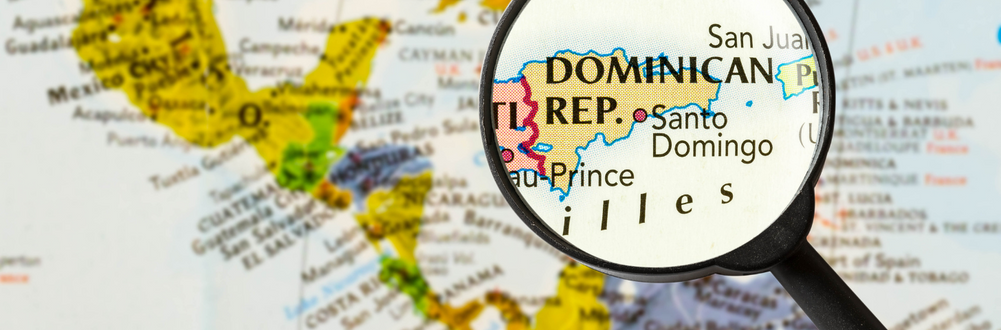
Living in the Dominican Republic
Cost of Living
Living Expenses
Average cost of housing, including renting and buying options in different regions: In Santo Domingo, the capital city, renting a one-bedroom apartment in the city center might cost around $500-$800 per month, while the same in outskirt areas might range between $300-$500. Purchasing an apartment in the city center can be approximately $1,500 per square meter. However, these prices can be significantly lower in smaller cities and rural areas.
Cost of essential services and goods, including groceries, dining, and entertainment: Groceries are moderately priced. A meal at a mid-range restaurant can range between $20-$40. For entertainment, cinema tickets are about $7. Utility bills, including electricity, heating, cooling, water, and garbage, for an 85m2 apartment can average around $70-$100 monthly, but this can vary significantly based on usage and location, especially with air conditioning costs.
Income and Salaries
Average income levels across different sectors and regions: The average monthly salary after tax is approximately $400-$600. However, this can vary widely based on the profession, with jobs in finance, IT, and engineering typically earning more than roles in the service or agricultural sectors.
Income disparity and economic inequality: Like many countries, the Dominican Republic faces challenges with income disparity. The tourism-driven economy means that while some regions thrive, others, especially non-touristic inland areas, might face economic challenges.
Healthcare and Facilities
Healthcare System
Overview of the healthcare system, including public and private sectors: The Dominican Republic offers a mixed healthcare system, with both public and private providers. While public hospitals provide services at a lower cost, private facilities, especially in larger cities, offer higher quality care, albeit at a higher price.
Availability and quality of medical services and facilities in different regions: Major cities like Santo Domingo, Santiago, and Punta Cana boast well-equipped private clinics and hospitals. In contrast, rural areas might not have the same level of facilities. It's common for expatriates and those who can afford it to have private health insurance.
Health Insurance
Health insurance options, including state, private, and international providers: Both nationals and residents contribute to the Social Security system, which provides healthcare coverage. Additionally, private health insurance is popular and can range from $50-$200 per month based on the coverage.
Costs associated with health insurance and medical services: Private consultations can range from $20-$50. More intricate procedures or surgeries in private facilities can be costly, making health insurance essential for many.
Living Overview in the Dominican Republic
| Parameter | Details |
| Average Monthly Rent (City Center) | $500-$800 for a one-bedroom apartment |
| Average Monthly Salary (After Tax) | $400-$600 |
| Consultation Fee (Private) | $20-$50 |
Links for Further Reference:
Cost of Living in the Dominican Republic
List of Hospitals in the Dominican Republic
Education System in Dominican Republic
Schooling
Structure of the education system, including levels and curriculum: The education system in the DR consists of primary (6 years), intermediate (4 years), and secondary education (2 years). While schooling is mandatory for children up to 14, challenges persist in enrollment and quality, especially in rural areas.
Availability and quality of public and private schools, as well as international schools: Public schools are widely available but can be crowded and may not have the same resources as private institutions. The larger cities offer private and international schools, catering mainly to the expatriate community and upper-class Dominicans. International schools often follow US or European curriculums.
Higher Education
Overview of universities and colleges, including admission requirements: The DR houses several reputable higher education institutions, like the Universidad Aut�noma de Santo Domingo. Admission typically requires a secondary school certificate and entrance exams.
Costs associated with higher education, including tuition and living expenses: Tuition fees can vary but are generally affordable compared to North American or European standards. Living costs for students, including accommodation, transport, and meals, might range from $500-$1000 monthly in urban centers
Safety and Security in the Dominican Republic
Safety and Security
Crime Rate
Overview of crime rates in different regions and cities: Like many tourist destinations, the Dominican Republic has areas of both high and low crime. Tourist areas, such as Punta Cana and Bavaro, are generally safer due to their economic importance and heavy police presence. On the other hand, urban centers like Santo Domingo have neighborhoods where petty crimes like theft are more common. Violent crime is less frequent but still exists, especially related to drugs and gangs.
Prevalence of different types of crimes, including petty and serious crimes: Petty crimes, such as pickpocketing and bag-snatching, are the most prevalent in crowded areas and public transport. Incidents of violent crime, although rarer, tend to be more localized in specific neighborhoods or linked to specific activities.
Emergency Services
Availability and reliability of emergency services, including police, fire, and medical: The country has established emergency services. In case of emergencies, individuals can dial 911 for police, medical, or fire emergencies. The response time can be variable, generally quicker in urban areas and potentially slower in remote locations.
Contact information and procedures for accessing emergency services: While 911 is the general emergency number, it's beneficial for residents and visitors to be aware of local police station numbers, nearby hospitals, and other essential services.
Safety Metrics in the Dominican Republic
| Parameter | Details |
| Emergency Contact Number | 911 |
| Safety Index (out of 100) | 45 (Higher is safer, based on global comparisons) |
| Common Safety Concerns | Petty thefts, scams targeting tourists |
Links for Further Reference:
Dominican Republic Travel Advisory - U.S. Department of State
Safety Tips for Tourists in the Dominican Republic
Utilities and Services
Utility Services
Availability and reliability of utility services, including water, electricity, and gas: Utilities are generally available throughout the country. However, power outages can be frequent, prompting many residents and businesses to have backup generators. Tap water is not recommended for drinking, with most people opting for bottled or boiled water.
Costs associated with utility services and payment methods: Utility costs can vary based on consumption and region. For a standard apartment, monthly utilities might range between $50-$150. Most utility companies offer online payment options, in addition to traditional methods.
Internet and Telecommunications
Internet service providers, plans, and reliability: Major ISPs include Claro and Tricom, offering a range of plans for both residential and business purposes. In urban centers, the internet is quite reliable, but speeds and reliability can wane in remote areas.
Availability of telecommunication services, including mobile networks: Mobile networks cover most of the country, with 4G services prevalent in cities and popular tourist destinations. Prepaid and postpaid plans are available with a variety of data and calling options.
Utilities and Telecommunications Overview
| Parameter | Details |
| Major ISPs | Claro, Tricom |
| Average Internet Speed | 20 Mbps (can be higher in certain plans and regions) |
| Major Mobile Networks | Claro, Orange, Viva |
Links for Further Reference:
Coverage Maps for Mobile Networks
Social Integration and Communities in the Dominican Republic
Social Integration
Overview of societal norms and cultural integration: The Dominican Republic boasts a rich cultural tapestry, rooted in its Indigenous, African, and European heritage. The Dominicans are known for their warm and welcoming nature, with music, dance, and festivity deeply embedded in their lifestyle. Understanding and respecting local customs, especially regarding family values and religion (predominantly Roman Catholicism), will facilitate smoother integration.
Attitudes towards immigrants and foreign residents: Foreign residents, especially from North America and Europe, are generally well-received, particularly in communities that are used to seeing expatriates and tourists. The hospitality industry's significance means many locals are accustomed to interacting with foreigners. However, it's essential to approach situations with cultural sensitivity and respect.
Communities and Networking
Availability of expatriate communities and social groups: In cities like Santo Domingo and tourist hubs like Punta Cana or Puerto Plata, there are sizable expatriate communities. These areas often have clubs, associations, or social groups where expatriates can connect, share experiences, and help newcomers navigate their new surroundings.
Networking opportunities and social events for meeting new people: Various events, from business networking sessions to cultural festivals, provide opportunities for socialization. The active tourism scene also brings in a variety of international events, which can be excellent networking platforms.
Language and Communication
Importance of knowing Spanish for social integration: While English is spoken in tourist areas and by some professionals, Spanish remains the dominant language. Learning Spanish is not only practical but is also greatly appreciated by locals and can significantly enhance one's social integration.
Availability of language learning resources and courses: Several institutions in larger cities offer Spanish courses for foreigners. Many private tutors provide personalized lessons, and online resources, such as Duolingo or Babbel, can also assist in language acquisition.
Links for Further Reference:
Instituto Cervantes - Spanish courses
Expat communities and guides in the Dominican Republic
Social and Community Integration Metrics
| Parameter | Details |
| Dominant Language | Spanish |
| Major Expatriate Communities in | Santo Domingo, Punta Cana, Puerto Plata |
| Language Schools | Instituto Cervantes, several local universities and private tutors |