
Work and Business
Economy Overview | Remote Work Conditions | Local Business Environment | Legal and Regulatory Environment | Transport and Infrastructure
Economy Overview of Belize
Economic Landscape
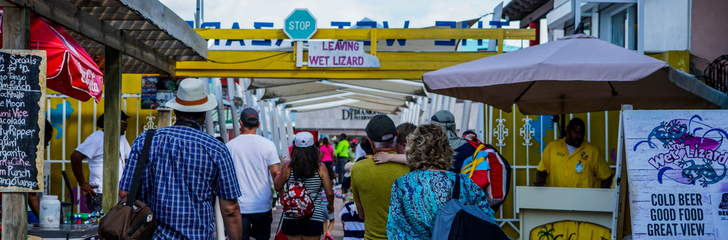
Belize is a small Central American country with a mixed economy that includes agriculture, tourism, and services.
Key Industries and Sectors:
Agriculture: Agriculture has traditionally been a significant sector in Belize's economy. The country produces citrus fruits, sugar, bananas, and other agricultural products. Challenges such as hurricanes and susceptibility to changes in global commodity prices can impact the performance of this sector.
Tourism: Tourism is a major contributor to Belize's economy. The country is known for its natural beauty, including the Belize Barrier Reef, Mayan ruins, and diverse ecosystems. The tourism industry attracts visitors for activities such as snorkeling, scuba diving, and eco-tourism.
Services: The services sector, including financial services, is another important component of Belize's economy. Belize has been a popular destination for offshore financial services, including banking and international business companies.
Trade: Belize engages in international trade, and its main trading partners include the United States, the European Union, Mexico, and other Central American countries.
Challenges: Belize faces economic challenges, including vulnerability to natural disasters such as hurricanes and tropical storms. The country has also grappled with issues such as high public debt and the need for economic diversification.
Currency: Belize uses the Belize dollar (BZD) as its official currency.
Job Market
Overview of the Job Market
Belize's job market reflects a diverse economy with opportunities in various sectors. However, the specific conditions of the job market can evolve, so it's essential to verify the latest information. Here's a general overview of the job market in Belize:
Key Sectors:
Tourism and Hospitality: With Belize being a popular tourist destination, jobs in the hospitality sector, including hotels, resorts, and restaurants, are significant.
Agriculture: Employment opportunities exist in agriculture, particularly in the production of bananas, citrus fruits, sugar, and other crops.
Services: Jobs in the services sector, such as banking, finance, and professional services, contribute to employment.
Tourism-Related Jobs:
Jobs in the tourism industry include hotel staff, tour guides, dive instructors, and other positions catering to visitors.
Offshore Services:
Belize has been known for offshore financial services, providing jobs in banking, financial management, and legal services.
Entrepreneurship:
Some individuals may opt for entrepreneurship, given the country's economic structure. Opportunities may exist in starting small businesses, especially in tourism-related services.
Natural Resource Management:
Given Belize's rich biodiversity, there may be job opportunities related to environmental conservation and sustainable resource management.
Technology and Telecommunications:
As technology continues to advance, there may be increasing opportunities in the IT and telecommunications sectors.
Investment Climate
Investment Opportunities and Trends
Tourism and Hospitality: Belize's pristine natural beauty, including the Belize Barrier Reef and Mayan ruins, makes it a popular tourist destination. Opportunities exist in the hospitality sector, including hotels, resorts, and eco-friendly accommodations.
Agribusiness: Agriculture is a significant sector in Belize, with opportunities in the production of bananas, citrus fruits, sugarcane, and other crops. Sustainable and organic farming practices may present attractive investment options.
Real Estate: The demand for real estate, particularly in tourist destinations, may present investment opportunities. This includes residential and commercial properties.
Infrastructure Development: Investing in infrastructure projects, such as transportation and utilities, can contribute to economic growth and development.
Fisheries and Aquaculture: Given Belize's coastal location, there may be opportunities in fisheries and aquaculture. Sustainable and environmentally friendly practices could be emphasized.
Trade and Export: Identifying opportunities for export-oriented businesses, such as the production of value-added agricultural products, can be explored.
Government Incentives for Foreign Investors
A variety of investment incentives are offered by the Government of Belize (GOB). These provide investors with the legal framework to engage in economic activities and were developed to grant relief to genuine investors wishing to establish a business in Belize provided their investment proposal meets the approval of the Government of Belize. Generally, when assessing investment proposals, GOB focuses on the economic and social benefits to be obtained from the investment, including environmental sustainability. The following provides an overview of the standard assessment guideline:
Investment should be socially and economically acceptable and legally doable.
- Bring revenue to Government.
- Bring meaningful employment to the country.
- Preserve and possibly enhance the environment and respect the cultural heritage of Belize.

Remote Work Conditions
Belize, like many other countries, has experienced changes in work conditions, including the adoption of remote work arrangements, due to the global COVID-19 pandemic. However, the specific conditions for remote work can vary across industries, companies, and regions.
Remote Work Culture
Prevalence of Remote Work in Belize
Remote work culture in Belize, as in many places, has likely emphasized flexibility and adaptability. Employees and employers have had to adjust to new ways of working, leveraging digital tools and communication technologies.
Companies in Belize may have adopted technology to facilitate remote work, with an emphasis on digital collaboration tools, video conferencing platforms, and project management systems. Remote work often requires effective communication practices. Companies in Belize may have developed clear communication channels, regular check-ins, and virtual team meetings to maintain connectivity among remote team members. Maintaining a healthy work-life balance has likely been a priority. Remote work allows employees in Belize to have more control over their daily schedules, but it also requires discipline to establish boundaries between work and personal life.
Remote work culture in Belize may have included measures to support employee well-being, including mental health resources, wellness programs, and initiatives to foster a sense of community among remote workers. Some organizations in Belize may have adopted hybrid work models, allowing employees to work both remotely and in the office. This approach provides flexibility while maintaining some level of in-person collaboration.
Attitudes towards Remote Work
Employees in Belize, like in many parts of the world, may appreciate the flexibility that remote work offers. The ability to manage work tasks while also attending to personal responsibilities could be seen as a positive aspect. Similar to global trends, there may be an increased acceptance of remote work in Belize. The experiences of working remotely during the pandemic could contribute to a more favorable view of flexible work arrangements.
If remote work has become more common in Belize, individuals may experience an improved work-life balance, reduced commuting stress, and more control over their daily schedules. Attitudes toward remote work in Belize might be tied to its perceived impact on employee well-being. The ability to manage work stress, avoid commuting, and create a comfortable home office environment could contribute to positive attitudes. It's important to note that attitudes can vary widely among individuals, and the specific circumstances in Belize may differ from other regions.
Work-Life Balance
Expectations and Norms around Work Hours and Productivity
Expectations and norms around work hours and productivity, as well as the concept of work-life balance, can vary across industries, countries, and individual workplaces. The evolution of remote work and changes in societal attitudes have influenced these expectations. Here are some general trends and considerations related to work hours, productivity, and work-life balance:
Flexible Work Hours: Many modern workplaces, especially those embracing remote work, have shifted toward more flexible work hours. This allows employees to tailor their schedules to better fit their personal preferences and obligations.
Focus on Results: There is a growing emphasis on outcomes and results rather than strictly adhering to traditional 9-to-5 work hours. This approach recognizes that productivity can be achieved in various time frames and doesn't solely depend on the number of hours worked.
Remote Work and Autonomy: Remote work often comes with increased autonomy, allowing employees to manage their work hours more independently. This autonomy is built on trust and the expectation that employees will meet their responsibilities.
Clear Communication of Expectations: Employers are encouraged to communicate clear expectations regarding work hours and productivity. Transparent communication helps employees understand what is expected of them and contributes to a healthy work environment.
Technology and Connectivity: The use of technology allows for increased connectivity but also raises challenges related to setting boundaries. There is a need for individuals and organizations to establish clear boundaries between work and personal life to prevent burnout.
Hybrid Work Models: Hybrid work models, combining remote and in-office work, have gained popularity. This approach provides flexibility while maintaining some level of in-person collaboration.
Employee Preferences: Individual preferences for work hours and work-life balance can vary. Employers increasingly recognize the importance of understanding and respecting these individual differences.
Internet and Technology
Internet Connectivity and Reliability
Belize's internet connectivity and reliability can vary across different regions and communities within the country. Several factors influence the state of internet infrastructure, including urban versus rural areas, investment in technology, and the overall economic development of specific regions
In urban centers and more developed regions, internet connectivity is generally better. Major cities like Belize City and larger towns may have access to higher-speed internet services. Rural and remote areas may experience challenges with internet connectivity. Limited infrastructure development and the geographical landscape can impact the availability and speed of internet services.
Belize has several internet service providers offering a range of plans and services. Some of the prominent ISPs include Belize Telemedia Limited (BTL), Speednet Communications (SMART), and others. The reliability of internet services can be influenced by factors such as maintenance, technical issues, and weather conditions. Users may experience occasional outages or variations in speed.
Availability of Co-working Spaces
Cities like Belize City and other urban centers may have a higher likelihood of offering co-working spaces. These spaces are often established to cater to entrepreneurs, freelancers, and remote workers. In areas with a significant tourist presence, co-working spaces may emerge to accommodate digital nomads and travelers who wish to work while exploring the country. Tech hubs, innovation centers, or business incubators may offer co-working facilities as part of their services to support startups and small businesses.

Local Business Environment in Belize
Starting a Business
Procedures and Requirements for Starting a Business
Starting a business in Belize involves several steps, and it's important to follow the legal and regulatory requirements. Here's a general guide to help you get started:
Business Idea and Planning: Develop a clear business idea and conduct market research to ensure there is demand for your product or service. Create a detailed business plan outlining your business goals, target market, marketing strategy, and financial projections.
Choose a Business Structure: Select a legal structure for your business (e.g., sole proprietorship, partnership, limited liability company, corporation). Each structure has different implications for liability, taxation, and other factors.
Register Your Business: Choose a business name and check its availability with the Companies Registry. Register your business with the Companies Registry. This includes submitting the necessary forms and paying the registration fees.
Obtain Necessary Licenses and Permits: Identify the specific licenses and permits required for your type of business. This can vary depending on the industry and location. Obtain the necessary approvals from relevant government departments or regulatory bodies.
Tax Registration: Register for taxation purposes with the Belize Tax Service Department. This includes obtaining a Tax Identification Number (TIN) for your business.
Costs Associated with Starting a Business
Setting up a business in Costa Rica involves several costs:
The costs associated with starting a business in Belize can vary depending on factors such as the type and size of the business, the industry, and the location. Here are some common costs and considerations:
Business Registration Fees: There are fees associated with registering your business with the Companies Registry. The cost will depend on the type of business structure you choose.
Legal and Professional Fees: You may incur costs for legal advice and services to help with business registration, contract drafting, and compliance.
Business Name Registration: There may be fees for registering your business name with the Companies Registry.
Licenses and Permits: Depending on the nature of your business, you may need to obtain various licenses and permits. Each may have associated fees.
Tax Registration: While some registration processes may be free, there could be costs associated with obtaining a Tax Identification Number (TIN) for your business.
Business Culture
Overview of Business Etiquette and Cultural Norms
Belize, located in Central America, has a diverse population with a mix of cultures, including Creole, Maya, Mestizo, Garifuna, and others. Understanding the local business etiquette and cultural norms is essential for successful business interactions.
Greetings and Communication: Handshakes are common in business settings, and it's customary to use titles and last names when addressing someone until a more personal relationship is established. English is the official language, so communication is generally straightforward. However, be mindful of the cultural diversity, and consider the language preferences of your counterparts.
Punctuality: While punctuality is appreciated, it is not uncommon for meetings to start a bit late. It's advisable to be patient and flexible with timing.
Formality and Respect: Belizeans value respect and courtesy. Maintain a level of formality, especially in initial interactions, until a more familiar relationship is established.
Dress Code: Business attire is typically formal, especially in urban areas and corporate settings. However, in more casual environments, such as tourism-related businesses, the dress code may be more relaxed.
Building Relationships: Building relationships is crucial in Belizean business culture. Take time to engage in small talk, ask about family and personal interests, and show genuine interest in getting to know your business counterparts.
Networking Opportunities
Availability of Business Networking Events and Groups
Belize does have business networking events and groups, especially in more urban and commercial areas. However, the availability and frequency of such events may vary, and it's recommended to check with local sources for the most up-to-date information.
To find specific events and groups, consider reaching out to local business associations, checking community bulletin boards, and leveraging online resources. Networking in Belize is often relationship-driven, so attending events and actively participating in the business community can be beneficial for building connections and partnerships.
Prominent Industry Conferences and Trade Shows
Belize may not be as widely known for hosting large industry conferences and trade shows compared to some other countries. However, there may be specific events in various industries that attract professionals and businesses. Keep in mind that the availability of conferences and trade shows can change, and it's advisable to check for updates closer to your intended visit or participation.
Here are a few areas where you might find relevant events:
| Aspect | Details |
| Tourism and Hospitality: | Given Belize's importance as a tourist destination, there may be events related to tourism and hospitality. Check for travel expos, hotel industry conferences, and eco-tourism events. |
| Agriculture and Agribusiness: | Belize has an agricultural sector, and there may be trade shows or conferences related to agriculture, farming, and agribusiness. |
| Environmental and Conservation Conferences: | Belize places a strong emphasis on environmental conservation. Look for conferences related to sustainable development, biodiversity conservation, and eco-friendly practices. |
| Trade and Investment Expos: | Periodically, there may be trade and investment expos that bring together businesses, investors, and entrepreneurs. These events could cover a range of industries. |
| Technology and Innovation: | While Belize may not be a major tech hub, there could be events or meetups related to technology and innovation, especially in urban areas. |
| Small Business and Entrepreneurship Workshops: | Local organizations, business development centers, and chambers of commerce may host workshops and events focused on small business development and entrepreneurship. |
Belize Trade shows websites:
https://www.belize.org/made-in-belize-expo/
https://digimarcon.com/2023-belize-trade-shows/
Legal and Regulatory Environment
It's crucial for businesses and individuals operating in Belize to seek legal advice to ensure compliance with current laws and regulations. Consulting with legal professionals and relevant government agencies will help navigate the legal landscape and mitigate potential risks.
Business Laws and Regulations
Overview of Laws Governing Business Operations
Legal and regulatory framework for businesses in Belize encompasses various laws and regulations. Businesses operating in Belize should familiarize themselves with these laws and regulations to ensure compliance. Seeking legal advice and assistance from professionals who are knowledgeable about the current legal landscape in Belize is highly recommended.
| Aspect | Details |
| Companies Act: | The Companies Act governs the registration and operation of companies in Belize. It outlines the requirements for incorporating a company, including the types of business structures and the duties of directors. |
| Income and Business Tax Laws: | The Income and Business Tax Act regulates taxation in Belize. It covers income tax, business tax, and other related matters. Businesses are required to register with the Belize Tax Service Department and comply with tax obligations. |
| General Sales Tax (GST) Act: | The General Sales Tax Act imposes a value-added tax known as the General Sales Tax on the supply of goods and services in Belize. Businesses meeting certain criteria are required to register for GST. |
| Labor Laws: | The Labor Act governs the employer-employee relationship in Belize. It covers issues such as employment contracts, working conditions, termination, and industrial relations. Employers must comply with minimum wage requirements and adhere to health and safety standards. |
| Trade Marks Act and Copyright Act: | Intellectual property rights are protected under the Trade Marks Act and Copyright Act. These laws provide mechanisms for registering trademarks and copyrights, offering protection to intellectual property owners. |
| Environmental Protection Act: | The Environmental Protection Act addresses environmental conservation and protection. It establishes regulations for environmental impact assessments and waste management. |
| Consumer Protection Act: | The Consumer Protection Act focuses on protecting consumers from unfair practices. It outlines consumers' rights and sets standards for business conduct to ensure fair trade practices. |
| Fair Competition Act: | The Fair Competition Act addresses competition issues, including anticompetitive practices and consumer protection. It aims to promote fair competition in the marketplace. |
| Telecommunications Act: | The Telecommunications Act regulates the telecommunications sector in Belize. It includes provisions related to licensing, competition, and consumer rights in the telecommunications industry. |
| Immigration Act: | The Immigration Act outlines regulations related to the entry and stay of individuals in Belize, including work permits for foreign employees. |
| Commercial Code: | The Commercial Code covers various aspects of commercial transactions, including contracts, sales, negotiable instruments, and secured transactions. |
| Belize Investment Guide: | The Belize Investment Guide provides information on incentives, regulations, and procedures for foreign investors. It aims to facilitate and promote investment in Belize. |
Intellectual Property Rights and Protections in Belize
Intellectual property rights in Belize are protected by various laws and regulations, and the country is a signatory to international agreements that aim to safeguard intellectual property. It's important for individuals and businesses in Belize to be aware of these intellectual property laws and to take appropriate steps to protect their intellectual assets. This may include registering trademarks and patents with BELIPO, documenting copyrightable works, and taking legal action against infringement when necessary. Consulting with intellectual property professionals can provide guidance on specific requirements and procedures. Here's an overview of intellectual property rights and protections in Belize:
Trade Marks Act: The Trade Marks Act provides the legal framework for the registration and protection of trademarks in Belize. Trademarks can include words, logos, symbols, and other distinctive marks used to identify goods or services.
Copyright Act: The Copyright Act protects the rights of creators of original works, including literary, artistic, and musical works. Copyright protection is automatic upon the creation of a qualifying work, but registration is possible and recommended to enhance protection.
Patents and Designs Act: The Patents and Designs Act governs the registration and protection of patents and industrial designs. It provides inventors with the exclusive right to their inventions for a specified period.
Geographical Indications of Origin Act: This act protects geographical indications of origin, preventing unauthorized use of indicators that identify a product as originating from a particular place.
Integrated Circuits Act: The Integrated Circuits Act provides protection for the layout designs of integrated circuits, ensuring the exclusive rights of the creators of such designs.
Protection of New Plant Varieties Act: The Protection of New Plant Varieties Act safeguards the rights of plant breeders by providing protection for new and distinct plant varieties.
Traditional Knowledge and Cultural Expressions Act: This act aims to protect traditional knowledge and cultural expressions of indigenous communities in Belize.
Enforcement of Intellectual Property Rights: Belize has established mechanisms for the enforcement of intellectual property rights. Legal remedies, including civil and criminal actions, are available to right holders.
International Agreements: Belize is a member of international agreements and conventions that protect intellectual property rights, including the Agreement on Trade-Related Aspects of Intellectual Property Rights (TRIPS).
Belize Intellectual Property Office (BELIPO): The Belize Intellectual Property Office (BELIPO) is the government agency responsible for the registration and administration of intellectual property rights in Belize. It oversees the registration process for trademarks, patents, and designs.
Employment Laws In Belize, employment laws are governed by various statutes and regulations. Some key aspects of employment laws in Belize include:
Labor Act: The Labor Act regulates various aspects of employment, including terms and conditions of employment, termination, and industrial relations.
Minimum Wage: Belize has a minimum wage, which may be periodically adjusted. The minimum wage typically applies to most categories of workers.
Working Hours: The standard workweek in Belize is typically 45 hours, and the normal working day is eight hours. Overtime is generally payable for work beyond the standard hours.
Holidays and Leave: Employees are entitled to annual leave, and there are public holidays observed in Belize for which employees may be entitled to holiday pay.
Termination of Employment: The Labor Act outlines the procedures and conditions under which employment can be terminated. Employers are generally required to provide notice or pay in lieu of notice, and there are provisions related to unfair dismissal.
Discrimination and Harassment: Employment laws in Belize may address issues related to discrimination and harassment in the workplace. Employers are generally expected to provide a safe and non-discriminatory work environment.
Health and Safety: There are regulations in place to ensure the health and safety of employees in the workplace.
Social Security: Belize has a social security system that provides benefits such as pensions, sickness benefits, and maternity benefits.
TAXATION
Overview on taxation in Belize
Belize has a tax system that encompasses various types of taxes, including income tax, sales tax, property tax, customs and excise duties, business tax, and social security contributions.
Income Tax:
Individual Income Tax: Individuals in Belize are subject to progressive income tax rates, with higher rates applied to higher income levels.
Corporate Income Tax: Companies operating in Belize are subject to corporate income tax on their taxable income.
General Sales Tax (GST): Belize imposes a General Sales Tax (GST) on the supply of goods and services. The standard rate is typically applied, but certain goods and services may be exempt or subject to reduced rates.
Property Tax:
Property tax is assessed on the value of real property, including land and buildings. Rates and assessment methods may vary by municipality.
Customs and Excise Duties:
Customs duties are levied on imported goods, and rates depend on the type of goods.
Excise duties may be applied to specific goods produced locally or imported.
Business Tax:
Business tax is applicable to certain businesses operating in Belize. The rates may vary, and exemptions or reduced rates may apply to certain small businesses.
Social Security Contributions:
Both employees and employers contribute to the Social Security Board (SSB) in Belize. Social security contributions fund benefits such as pensions, sickness benefits, and maternity benefits.
Capital Gains Tax:
Belize generally does not have a specific capital gains tax. However, gains from the sale of assets may be subject to other taxes.
Withholding Tax:
Withholding tax may be applicable to certain types of income, such as dividends, interest, and royalties.
Corporate tax rates and Incentives
Belize imposes corporate income tax on the taxable income of companies operating within its jurisdiction. Corporate tax rates and incentives can influence the business environment.
The standard corporate income tax rate in Belize is typically applied to the taxable income of companies. As of my last update, the standard rate was 25%.
TRANSPORT AND INFRASTRUCTURE
Public Transportation
Belize has a variety of transportation options, but the country's public transportation system is somewhat limited compared to larger urban areas in other countries.
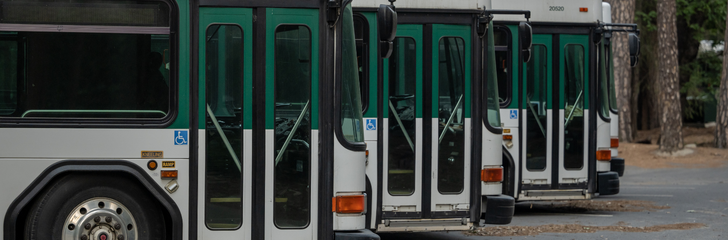
Buses: Buses are a common mode of public transportation in Belize. They operate both within cities and towns and between different regions. Bus services are provided by various private companies.
Taxis: In urban areas, taxis are available and can be hailed on the street or found at designated taxi stands. While they are more expensive than buses, they offer a more convenient and direct mode of transportation.
Roads:
- Highways: Belize has a network of highways connecting major cities and towns. The Philip Goldson Highway runs from Belize City to the northern border with Mexico, while the George Price Highway connects Belize City to the western border with Guatemala.
- Road Conditions: While major highways are generally well-maintained, some rural roads and unpaved routes may be in varying conditions, particularly during the rainy season when flooding and mudslides can occur.
Airports:
- Philip S. W. Goldson International Airport: Located in Ladyville, just outside Belize City, this is the country's main international airport, serving flights from North America, Central America, and the Caribbean.
- Municipal Airports: Several smaller airports and airstrips are scattered throughout the country, facilitating domestic flights and connecting remote areas to major cities and towns.
Infrastructure Development:
- Road Improvement Projects: The Belizean government continues to invest in road infrastructure projects aimed at improving connectivity and accessibility, particularly in rural areas.
- Airport Upgrades: Efforts are underway to upgrade and expand airport facilities, including runway extensions and terminal enhancements, to accommodate increasing air traffic and tourism demand.
- Port Expansion: Plans for port expansion and modernization are being considered to enhance Belize's maritime capabilities and support economic growth.
It's essential to note that Belize is a relatively small country with a population of around 400,000 people, and transportation infrastructure may not be as developed as in some larger countries. Always check for the most up-to-date information, as transportation services and infrastructure can evolve over time.