
Living
Cost of Living | Healthcare and Facilities | Education System | Safety and Security | Utilities and Services | Social Integration and Communities
Cost of Living
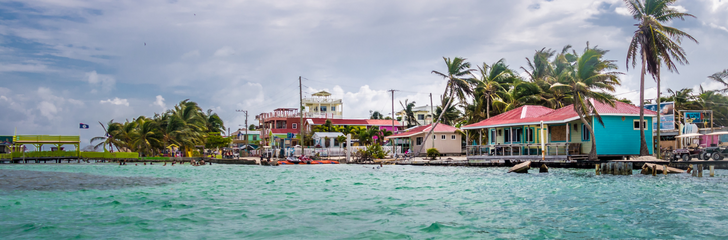
Belize, a small Central American country known for its stunning natural beauty, diverse culture, and rich biodiversity, offers a relatively affordable cost of living compared to many Western countries. However, living expenses can vary depending on lifestyle choices, location, and personal preferences.
Here's an overview of living expenses in Belize:
| Expense | Single Person (USD) | Couple (USD) |
| Rent | $1,200 | $1,500 |
| Electricity (with a/c) | $150 | $200 |
| Water | $25 | |
| Cooking Gas | $15 | |
| Household Help (maid, three times a week) | $300 | |
| Internet | $60 | $40 |
| Phone | $55 | |
| Television | $20 | |
| Healthcare | $100 | $150 |
| Transportation (private vehicle) | $200 | |
| Groceries | $175 | $250 |
| Entertainment | $100 | $200 |
| Misc. / Incidentals | $50 | $75 |
| MONTHLY TOTAL: | $2,395 | $3,030 |
Source: Average Expenses in Belize
Miscellaneous Expenses
- Entertainment and Leisure: Expenses for entertainment, leisure activities, and hobbies can vary depending on personal preferences. Cost-effective activities such as hiking, snorkeling, and exploring nature are abundant in Belize.
- Education: If you have children, expenses for education and schooling should be considered. Belize offers both public and private schooling options, with fees varying depending on the institution.
There are plenty of fun activities to get involved in, especially in the more touristy areas of Belize. Eating out, fun activities like Snorkeling, scuba, fishing, and spending the day out on a caye (what we call islands) are all fun things to do, are other areas to consider in your budget
| Expense | Budget ($) |
| Eating Outside (Local Restaurant) | 15 -25 |
| Eating Outside (Roadside Takeout) | 6 - 10 |
| Activities (Snorkeling, scuba, fishing, and spending the day out on a caye) | 65 - 100 |
https://internationalliving.co...
Income and Salaries
A person working in Belize will typically earn around 48,140 BZD per year, and this can range from the lowest average salary of about 12,180 BZD to the highest average salary of 209,700 BZD.
| Average Annual Salary Average Monthly Salary | 48,140 BZD 4,011 BZD |
| Lowest Annual Salary Lowest Monthly Salary | 12,180 BZD 1,015 BZD |
| Highest Annual Salary Highest Monthly Salary | 209,700 BZD 17,475 BZD |
Source: Average Salary in Belize

Healthcare System in Belize
- Health Insurance: Private health insurance is recommended for expatriates and retirees living in Belize. The cost of health insurance premiums varies depending on coverage and provider. International health insurance plans can range from a few hundred to a few thousand dollars per year.
- Medical Services: Healthcare services in Belize can vary in quality and availability. While basic medical care is accessible and affordable, specialized treatments and procedures may require travel to neighboring countries like Mexico or the United States.
Healthcare is an area that is rapidly improving in Belize. Over the last several years, the government has invested in building new clinics and medical services around the country. However, much of the specialty healthcare is still centered in Belmopan and Belize City. This means that you may need to travel, or be transported, should you need anything beyond basic care.
When seeking medical attention, be prepared to pay on the spot for whatever services you are provided. The good news is that the cost is way less than you will be accustomed to living in the U.S, to the point where insurance is unnecessary. A local “urgent care†trip might cost you $25, while more advanced lab work will cost $200.
For more advanced medical work, many choose to travel to Mexico, where the standard of care is higher, and the costs are still low compared to the U.S. If you decide to keep your U.S. medical insurance, you can always travel back for any treatments you may require.
Public Healthcare in Belize
The Ministry of Health manages the public healthcare sector in Belize. They’re also responsible for subsidizing medications, vaccinations, and emergency surgeries. However, patients bear the fee for diagnoses, such as laboratory tests and x-rays. On the other hand, there’s a limit in medical provisions. Hence, patients must travel to the neighboring country to seek treatment.
Private Healthcare in Belize
The private health sector of the country has grown over the last few years, especially in urban areas. Although the costs are high, the coverage is comprehensive. It also offers a range of secondary and tertiary healthcare facilities. Additionally, the acquisition of international private health insurance has increased recently.
Emergency Medical Services in Belize
There is also a shortage of medical professionals in Belize. A large section of doctors and medical professionals are foreign nationals working in the Belizean health sector. They often work as volunteers. The shortage of medical supplies and medical equipment hinders the delivery of quality health services. This shortage is especially evident in rural areas. Emergency services are limited to the urban towns and cities, with little or no ambulances in remote areas.
Medicines and Pharmacies in Belize
Foreign nationals should see a doctor before going to Belize and ensure that their vaccinations are up to date. As an expat, you should protect yourself from potential diseases while in Belize. You must prevent yourself from contracting diseases such as malaria, which is quite common in Belize.
Health Insurance
Currently Belize has no comprehensive public health insurance but does have a Social Security Scheme, which only provides medical cover for “job related diseasesâ€. The Social Security Board (SSB) in Belize is a state-run entity, in which Belizean citizens or residents in employment over the age of 14 – either employed or self-employed – in the country need to register for. The Social Security Scheme requires participants and their employers to make regular payments to the SSB, entitling the policyholder to claim for medical expenses on work-related injuries or diseases. The Social Security system also provides sickness, maternity or retirement benefits if someone is unable to work. It is compulsory for all foreign nationals who obtain Belizean citizenship, residence status or a work permit to join the SSB, however it will only afford them limited access to health services.
Education System in Belize
Belize's education system is structured to provide accessible and comprehensive education to its population, emphasizing both academic and vocational training.
In 2014, more than 90,000 students were enrolled in Belize schools and colleges at all levels, including almost 4,000 in preschools, 63,000 in primary schools, and more than 15,000 in high schools. Close to 6,000 students were in post-secondary studies.
Primary education is free and compulsory through age 14. However, a sizable minority of Belizean children do not complete primary school. Only about 70% of teachers are professionally trained, but that number is growing with recent amendments to the Education Act 2017 that aims at 100% of all teachers being professionally trained as a requirement to obtain a teacher’s license.
Structure:
Early Childhood Education: Early childhood education is available for children ages 3 to 5 years old, although it is not mandatory. Preschools and early childhood centers focus on socialization, basic skills development, and preparing children for primary education.
Primary Education: Primary education in Belize is compulsory for children ages 5 to 12 years old. It consists of six years of schooling divided into two cycles: Infant I to III (grades 1-3) and Junior IV to VI (grades 4-6). Primary education provides foundational knowledge in core subjects such as mathematics, language arts, science, social studies, and physical education.
Secondary Education: Secondary education is divided into two levels: lower secondary (grades 7-9) and upper secondary (grades 10-12). Lower secondary education builds upon the foundation laid in primary school and offers a broader curriculum, including additional subjects such as technology, music, and art. Upper secondary education is more specialized, with students preparing for the Caribbean Secondary Education Certificate (CSEC) examinations or vocational certifications.
Tertiary Education: Tertiary education in Belize includes colleges, universities, and vocational training institutions offering diploma, certificate, associate, bachelor's, and postgraduate degree programs. The University of Belize is the country's national university, offering a range of undergraduate and graduate programs in various fields of study.
Curriculum:
National Curriculum: The Ministry of Education, Culture, Science, and Technology (MOE) develops and oversees the national curriculum for primary and secondary education in Belize. The curriculum aims to provide a well-rounded education that fosters critical thinking, problem-solving skills, creativity, and lifelong learning.
Language of Instruction: English is the primary language of instruction in schools throughout Belize. However, many students are also fluent in Spanish and other indigenous languages such as Garifuna, Maya, and Kriol.
Challenges and Initiatives:
Access to Education: While efforts have been made to improve access to education, challenges remain, particularly in rural and remote areas where access to schools, qualified teachers, and educational resources may be limited.
Quality of Education: Ensuring quality education for all students remains a priority, with initiatives aimed at enhancing teacher training, curriculum development, and educational infrastructure.
Technical and Vocational Education: There is a growing emphasis on technical and vocational education and training (TVET) programs to equip students with practical skills and prepare them for the workforce.
Inclusive Education: Belize is working towards creating a more inclusive education system that addresses the diverse needs of students, including those with disabilities and special needs.
Overall, Belize's education system is undergoing continuous improvement and transformation to meet the evolving needs of its population and contribute to the country's social and economic development. Collaboration between government agencies, educators, communities, and stakeholders is essential in shaping the future of education in Belize.
Cost of Education
A sampling of education costs in Belize. All figures are in US dollars:
Primary School
Public schools (often run by the Catholic Church): Free except for uniforms & books
Island Academy, San Pedro -private school: $3,000+ a year
High School
Saint Catherine’s Academy, Belize City: $500 a year (tuition & fees)
Mount Carmel High School, Benque Viejo: $300 a year (tuition)
Four-Year College
University of Belize, Belmopan and Belize City: $675 (tuition for 15 credit hours) per semester for Belizean citizens and permanent residents; $1,350 for students from developing countries; $2,025 for students from developed countries; all plus fees of $210 per semester and plus living expenses
Source: Overview of Belize Education

Safety and Security in Belize
Safety and security in Belize are important considerations for residents and visitors alike. While Belize offers stunning natural beauty and a rich cultural heritage, it also faces challenges related to crime and safety concerns.
Here's an overview of safety and security in Belize:
Crime:
Violent Crime: Belize experiences relatively high rates of violent crime, including homicides, robberies, and assaults, particularly in urban areas such as Belize City. Gang-related violence is a significant contributor to the crime rate.
Property Crime: Theft, burglary, and petty crime are common in tourist areas and urban centers. Visitors should take precautions to safeguard their belongings and avoid leaving valuables unattended.
Law Enforcement:
Police Force: The Belize Police Department is responsible for maintaining law and order, preventing crime, and investigating criminal activities. While efforts are made to address crime, challenges such as resource limitations and corruption within the police force persist.
Tourist Police: Belize has tourist police units stationed in popular tourist destinations to assist visitors, address safety concerns, and provide information and support.
Natural Hazards:
Hurricanes and Tropical Storms: Belize is prone to hurricanes and tropical storms, particularly during the Atlantic hurricane season from June to November. Adequate preparation and adherence to evacuation procedures are essential to mitigate risks during severe weather events.
Flooding: Heavy rainfall can lead to flooding in low-lying areas and along riverbanks, posing risks to residents and infrastructure.
Health Concerns:
Mosquito-Borne Diseases: Mosquito-borne diseases such as dengue fever, Zika virus, and chikungunya are prevalent in Belize. Visitors should take precautions to prevent mosquito bites by using insect repellent, wearing long sleeves and pants, and staying in accommodations with screens or air conditioning.
Healthcare Facilities: While Belize has healthcare facilities and hospitals, the quality of medical care may vary, particularly in rural areas. Travelers should have comprehensive travel insurance that covers medical emergencies and consider evacuation options in case of serious illness or injury.
Safety Tips:
Stay Informed: Stay updated on local news and advisories regarding safety and security issues in Belize.
Be Vigilant: Remain vigilant of your surroundings, especially in crowded or unfamiliar areas, and avoid displaying valuables or carrying large sums of cash.
Use Trusted Transportation: Use licensed taxis or reputable transportation services, especially at night or in remote areas.
Respect Local Laws and Customs: Familiarize yourself with local laws, customs, and cultural sensitivities to avoid misunderstandings or legal issues.
Travel in Groups: Whenever possible, travel in groups or with trusted companions, especially when exploring remote areas or engaging in outdoor activities.
Emergency Contacts: Keep emergency contact numbers, including those of the local police, embassy or consulate, and healthcare facilities, readily available.
While Belize offers breathtaking natural beauty and cultural experiences, visitors and residents should remain vigilant and take necessary precautions to ensure their safety and security in various situations.

Utilities and Services
What you’ll spend on utilities in Belize is primarily driven by your electrical usage. Electricity is quite expensive per KWh, with water, cooking gas, phone, and Internet being far more reasonable.
Cooking Gas: Belize uses butane as the sole cooking gas. The Government of Belize regulates the price of butane, but local providers may only sometimes stick to the guideline. Shop around for the best rates, and expect to pay $3 or more per gallon.
Water: The price and quality of the water in Belize vary, but overall is very good. In Placencia, you can drink the water straight out of the tap (the “pipe water,†as the locals call it), which will cost you $0.005 per gallon.
Electric: With all of the savings on the other utilities, electricity is an area where you can easily spend more than you’re accustomed to. At a cost of about $0.22 per KWh, electricity can be many times more expensive than you are used to paying. Learn to conserve (read “not run y
Phone: Most people rely on a cell phone rather than having a landline hooked up. The 4G LTE cell coverage is great in populated areas, but can be spotty in more remote areas. An unlimited talk and text plan with 8 GB of monthly data will only cost about $28 per month, and the largest data plan with 66 GB is $78 per month.
Internet: Thanks to the late development of Belize’s Internet access, fiber-to-the-home is available in many of the more developed areas of the country. A basic 20 Mbps service costs about $25 per month. There are also 40, 80, and 150 Mbps plans available, with the latter costing $100 per month.
One way to save on phone and Internet is to look for a combo plan from a provider like Digi. For instance, 80 Mbps Internet plus 6 GB of data and 100 minutes and texts for your cell phone will only cost $60 per month.
Housing and Property Services:
Rent: Rental prices for housing in Belize vary based on factors such as location, size, amenities, and proximity to urban centers or tourist destinations. Monthly rent for a one-bedroom apartment can range from BZ$500 to BZ$1,500 or more, while larger properties and luxury accommodations may command higher prices.
Property Taxes: Property taxes in Belize are relatively low compared to some other countries. Property owners are required to pay annual property taxes based on the assessed value of their properties. The tax rate varies depending on the property's classification and location.
Transportation:
Fuel: The cost of gasoline in Belize fluctuates based on international oil prices and government taxation. As of recent years, gasoline prices have been relatively high compared to neighboring countries in Central America.
Public Transportation: Public transportation options such as buses and taxis are available in Belize. Fares are generally affordable, with bus rides typically costing a few Belize dollars for short distances.
Social Integration and Communities
Social integration and communities in Belize are characterized by a rich cultural tapestry, diverse ethnic groups, and a strong sense of community. Here's an overview of social integration and communities in Belize:
Ethnic Diversity:
Creole Population: The Creole population, descended from African slaves and European settlers, constitutes a significant portion of Belize's population. Creole culture is vibrant and influences various aspects of Belizean society, including language, music, and cuisine.
Garifuna Community: The Garifuna people, descendants of African slaves and indigenous Caribs, have a strong presence in Belize, particularly in coastal areas such as Dangriga, Hopkins, and Punta Gorda. Garifuna culture is celebrated through music, dance, and traditional rituals.
Mayan Heritage: Belize is home to several indigenous Mayan communities, including the Mopan and Kekchi Maya in southern Belize and the Yucatec Maya in northern Belize. Mayan traditions, languages, and customs are an integral part of Belizean culture.
Cultural Events and Festivals:
September Celebrations: Belizeans celebrate their independence from British colonial rule with month-long festivities in September. Events include parades, concerts, street parties, and cultural performances showcasing Belizean music, dance, and cuisine.
Garifuna Settlement Day: Celebrated on November 19th, Garifuna Settlement Day commemorates the arrival of Garifuna ancestors to Belize's shores. Festivities include drumming, dancing, traditional rituals, and reenactments of historical events.
Carnival: Carnival is a colorful and lively celebration held in several Belizean cities and towns, featuring elaborate costumes, music, and dance. It is a time for communities to come together and celebrate cultural diversity.
Community Engagement:
Neighborhood Associations: Many neighborhoods and communities in Belize have active neighborhood associations or councils that organize social events, community clean-ups, and initiatives to address local issues.
Religious Organizations: Churches and religious institutions play a significant role in community life in Belize. They often serve as centers for social gatherings, community outreach, and charitable activities.
Sports and Recreation: Sports, particularly football (soccer), basketball, and softball, are popular in Belize and serve as a platform for community engagement and social interaction. Local sports clubs and leagues bring together people of all ages and backgrounds.
Volunteerism and Philanthropy:
Nonprofit Organizations: Belize has a vibrant nonprofit sector comprising organizations focused on various social, environmental, and humanitarian causes. Volunteers and community members actively participate in volunteer work, fundraising, and community service projects.
Youth Groups and Clubs: Youth organizations and clubs provide opportunities for young people to engage in community service, leadership development, and recreational activities.
Challenges and Opportunities:
While Belizean communities are resilient and tightly knit, they face challenges such as poverty, crime, and social inequality. Efforts to promote social cohesion, economic empowerment, and community development are essential for building inclusive and thriving communities across Belize.
In summary, social integration and communities in Belize are shaped by cultural diversity, traditional values, and collective experiences. Through cultural celebrations, community engagement, and grassroots initiatives, Belizeans come together to celebrate their heritage, support one another, and work towards a brighter future.