About Belize
About
Work and Business
Living
Fun and Leisure
Residency and Citizenship
Services
Overview | Climate and Geography | Demographics | Culture and Heritage | Language and Communication

Brief History
Belize, located on the eastern coast of Central America, has a diverse history that includes the presence of ancient civilizations, European colonization, and a path to independence. Here's a brief overview of Belize's early and recent history:
Early History:
Ancient Maya Civilization (2000 BCE - 1500 CE): The area now known as Belize was home to several Maya city-states, such as Caracol, Xunantunich, and Lamanai. These ancient civilizations thrived for centuries, engaging in agriculture, trade, and creating impressive architectural structures.
Spanish Exploration (16th Century): The Spanish explorers, including Hernán Cortés and Pedro de Alvarado, arrived in the region during the early 16th century. However, the Maya fiercely resisted Spanish colonization, and the area remained sparsely settled by the Spanish.
British Baymen (17th-18th Centuries): The British buccaneers, known as Baymen, established settlements along the coast during the 17th century. They engaged in logwood and mahogany extraction, developing an economy based on timber and trade.
British Honduras:
Treaty of Versailles (1783): Following the Treaty of Versailles in 1783, which ended the American Revolutionary War, the British formally acquired Belize as a British colony. It became known as British Honduras.
19th Century: The economy continued to rely on logging, with the introduction of sugarcane cultivation and the growth of the banana industry. The population also included a mix of African slaves, indigenous peoples, and European settlers.
Move towards Independence:
Nationalist Movement (20th Century): In the mid-20th century, a nationalist movement emerged in British Honduras, advocating for self-determination and independence.
Name Change (1973): In 1973, British Honduras officially changed its name to Belize, reflecting a growing sense of national identity.
Independence (1981):
Path to Independence: Belize gained independence from Britain on September 21, 1981. The process leading to independence was influenced by territorial disputes with neighboring Guatemala, which claimed a portion of Belize.
Territorial Dispute: The territorial dispute with Guatemala was a longstanding issue, rooted in historical claims. In 1992, both countries agreed to a process of international arbitration to resolve the matter.
Recent History:
Territorial Dispute Resolution (2019): In 2019, the International Court of Justice (ICJ) ruled in favor of Belize, confirming its borders and resolving the territorial dispute with Guatemala.
Economic Development: Belize's economy has diversified over the years, with tourism becoming a significant contributor. The country's natural beauty, including the Belize Barrier Reef, has made it a popular destination for travelers.
Political Stability: Belize has maintained political stability, with a democratic system of government. The country continues to face challenges such as economic inequality and environmental concerns.
Belize's history is marked by a rich cultural heritage, struggles for independence, and the resolution of territorial disputes, shaping the nation into what it is today.
Political Structure
Current Government and Political Climate
The political climate in Belize was characterized by a parliamentary democracy with a constitutional monarchy. The head of state was Queen Elizabeth II, represented by a Governor-General, and the head of government was the Prime Minister.
The main political parties in Belize were the United Democratic Party (UDP) and the People's United Party (PUP). In the November 2020 general elections, the People's United Party, led by John Briceño, won a majority of seats in the House of Representatives, and Briceño became the Prime Minister of Belize.
Please note that the information provided here may be outdated as my training only includes data up to January 2022. For the most current information on the government and political climate of Belize, I recommend checking the latest news sources or official government websites.
Relationship with the European Union
Belize did not have a formal membership status with the European Union (EU). However, Belize and the EU maintained diplomatic and trade relations. The EU provides development assistance and engages in cooperation programs with Belize and other countries in the region.
The Cotonou Agreement, signed between the African, Caribbean, and Pacific Group of States (ACP) and the European Union, includes Belize among the countries eligible for financial assistance and development cooperation. These agreements typically cover a range of issues, including economic development, trade, and cooperation on political and social matters.
For the most current information on Belize's relationship with the European Union, including any changes or developments since my last update in January 2022, I recommend checking with official government sources or recent news reports.
Economy
Overview of the Economy and Economic Sectors
Belize's economy is small and relatively open, relying heavily on agriculture, tourism, and offshore financial services. Please note that economic conditions can change, and for the most up-to-date information, you should consult recent sources.
Agriculture: Belize has a significant agricultural sector, with key products including sugarcane, citrus fruits, bananas, and vegetables. The country has faced challenges in the agriculture sector, including the impact of natural disasters and fluctuations in commodity prices.
Tourism: Tourism is a crucial component of Belize's economy, with the country known for its natural attractions, including the Belize Barrier Reef, Mayan ruins, and diverse ecosystems. The tourism industry has experienced growth, but it is susceptible to external factors such as global economic conditions and natural disasters.
Offshore Financial Services: Belize has a small but notable offshore financial sector, offering services such as international banking and trust services. The offshore sector has faced scrutiny for issues related to financial transparency and regulatory compliance.
Oil and Energy: Belize has explored offshore oil exploration, but the industry has not reached large-scale production. Energy needs are often met through imports and renewable sources.
Trade: Belize engages in trade with various countries, and its major trading partners include the United States, the European Union, and other Central American countries.
Challenges: Belize faces economic challenges such as a high public debt burden, vulnerability to external shocks, and the need for infrastructure development.
Currency and Economic Stability
the official currency of Belize is the Belize Dollar (BZD), and it is pegged to the United States Dollar (USD) at a fixed rate of 2:1. This means that 2 Belize Dollars are equivalent to 1 U.S. Dollar. The pegging of the Belize Dollar to the U.S. Dollar provides a level of stability and helps to mitigate exchange rate fluctuations.
Economic stability is a key concern for any country, and several factors contribute to it:
Exchange Rate Policy: The fixed exchange rate regime with the U.S. Dollar has provided a degree of stability to Belize's currency. However, the effectiveness of this policy depends on various economic factors and the country's ability to maintain fiscal and monetary discipline.
Inflation: Controlling inflation is crucial for economic stability. Central banks typically use monetary policy tools to manage inflation. A stable and predictable inflation rate is important for businesses and consumers.
Public Debt: High levels of public debt can pose challenges to economic stability. Governments need to manage their finances prudently to avoid excessive debt burdens that could lead to fiscal instability.
External Factors: Belize's economy is susceptible to external shocks, such as changes in global commodity prices, natural disasters, and fluctuations in international financial markets. Diversification of the economy and robust economic policies can help mitigate these risks.
Economic Growth: Sustainable economic growth contributes to stability by creating jobs, increasing income levels, and supporting government revenue. Policies that promote investment, innovation, and efficiency can contribute to economic stability.
Education and Healthcare
Overview of the Education System
the education system in Belize comprises several levels, including early childhood education, primary education, secondary education, and tertiary education. Please note that educational systems can undergo changes and reforms, so it's advisable to check for the latest information from official sources or recent reports.
Early Childhood Education: Early childhood education is not mandatory but is encouraged. It typically includes preschool programs that focus on the developmental needs of young children.
Primary Education: Primary education in Belize is compulsory for children between the ages of 6 and 14. It covers six years of schooling and provides a foundation in subjects such as mathematics, science, language arts, and social studies.
Secondary Education: Secondary education is generally divided into two cycles: lower secondary (grades 7-9) and upper secondary (grades 10-12). Secondary education is not compulsory, but the majority of students continue their studies beyond primary school. Students take the Caribbean Secondary Education Certificate (CSEC) examinations at the end of their secondary education, which is administered by the Caribbean Examinations Council (CXC).
Tertiary Education: Belize has tertiary institutions that offer post-secondary education, including vocational training and academic programs. The University of Belize is the country's national university, providing a range of undergraduate and graduate programs.
Technical and Vocational Education: Technical and vocational education and training (TVET) programs are available to students who wish to pursue skills-based training in various fields.
Language of Instruction: English is the primary language of instruction in schools, and the education system follows a curriculum influenced by the British educational model.
Challenges and Initiatives: Challenges in the education system may include issues related to access, quality, and infrastructure. Efforts are often made to address these challenges through government initiatives and partnerships with international organizations.
Healthcare System and Facilities
Belize has a healthcare system that provides both public and private healthcare services. The Ministry of Health oversees the public health system in Belize. It's important to note that healthcare systems can undergo changes, and for the latest and most accurate information, you should consult recent sources or official government statements.
Here's an overview of the healthcare system in Belize:
Public Healthcare: Belize has a network of public health facilities, including hospitals, health clinics, and health centers, distributed across the country. Primary healthcare services are typically provided at health clinics and health centers, while hospitals offer more specialized and comprehensive care.
Hospitals: Karl Heusner Memorial Hospital (KHMH) in Belize City is the largest public hospital in the country. It serves as a referral and tertiary care center. There are also regional hospitals in other parts of the country, such as the Western Regional Hospital in Belmopan and the Northern Regional Hospital in Orange Walk.
Private Healthcare: Private healthcare services are available in Belize, with private hospitals, clinics, and medical practices. Private healthcare facilities often offer a range of medical services, including general healthcare, specialist consultations, and diagnostic services.
Health Insurance: Health insurance coverage is not universal in Belize, and residents may opt for private health insurance to access additional healthcare services beyond what is provided by the public system.
Public Health Initiatives: The Ministry of Health in Belize is responsible for public health initiatives, including disease prevention, vaccination programs, and health education. The country may participate in regional and international health partnerships and initiatives.
Challenges: Like many countries, Belize faces challenges in its healthcare system, including issues related to accessibility, infrastructure, and healthcare workforce capacity.
CLIMATE AND GEOGRAPHY OF BELIZE
Geography
Belize is located on the northeastern coast of Central America and is bordered by Mexico to the north, Guatemala to the west and south, and the Caribbean Sea to the east. The country has a diverse geography that includes coastal plains, mountains, and a portion of the Mesoamerican Barrier Reef System, the second-largest coral reef system in the world. Here are some key features of Belize's geography:
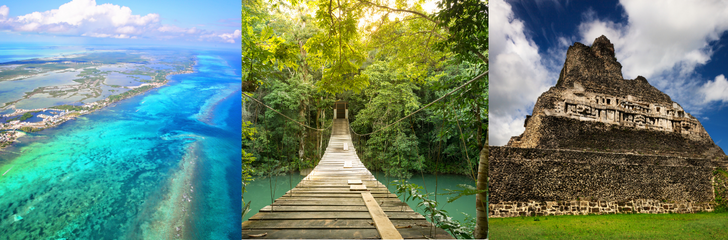
Coastline and Barrier Reef: Belize boasts about 240 miles (386 kilometers) of coastline along the Caribbean Sea. The Belize Barrier Reef, a UNESCO World Heritage Site, stretches along much of the coastline, offering diverse marine life and excellent opportunities for snorkeling and diving.
Lowlands and Plains: The northern and central parts of Belize are characterized by lowlands and plains that are ideal for agriculture, including sugarcane and citrus cultivation.
Mountainous Terrain: The southern part of Belize features the Maya Mountains, which extend into Guatemala. Victoria Peak, the highest point in Belize, is located in the Maya Mountains.
River Systems: Belize has several rivers and waterways, including the Belize River, the longest river in the country. These rivers play a crucial role in the country's transportation and agriculture.
Tropical Rainforests: Inland areas, particularly in the south and west, are covered by tropical rainforests that are rich in biodiversity, with a variety of flora and fauna.
The combination of Belize's tropical climate, diverse geography, and the presence of the Belize Barrier Reef contribute to its appeal as a destination for ecotourism and outdoor activities. The country's natural assets make it a unique and vibrant part of Central America.
Climate
Belize has a tropical climate with distinct wet and dry seasons. The climate is generally characterized as sub-tropical, with significant regional variations. The two main seasons are the wet season, which typically runs from June to November, and the dry season, which spans from February to May. Here are some key features of Belize's climate:
Wet Season (June to November):
Rainfall: Belize experiences the highest rainfall during the wet season, with the most precipitation occurring in June, July, and August.
Temperature: While temperatures remain warm, with daytime highs ranging from 77°F to 88°F (25°C to 31°C), humidity levels are higher during this period.
Dry Season (February to May):
Rainfall: The dry season is characterized by lower rainfall and is a popular time for tourists to visit.
Temperature: Daytime temperatures during the dry season range from 75°F to 88°F (24°C to 31°C), and humidity levels are relatively lower.
Hurricane Season:
Belize is in the Atlantic hurricane belt, and the hurricane season officially runs from June 1 to November 30. The country can be affected by tropical storms or hurricanes during this period.
DEMOGRAPHICS
Population:
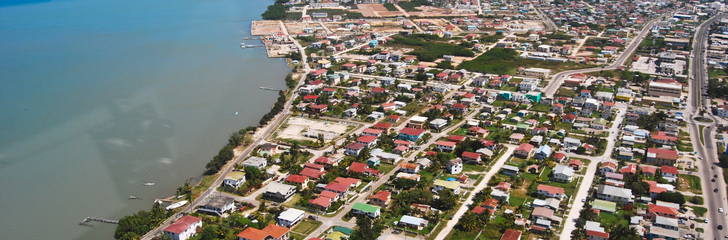
The population of Belize is estimated to be around 419,199 people (World Bank, 2020).
Ethnic Groups:
Mestizo: The largest ethnic group, comprising a mix of European and indigenous ancestry.
Creole: Descendants of African slaves and European settlers.
Maya: Indigenous peoples with a rich cultural heritage.
Garifuna: Descendants of African, Arawak, and Carib populations.
East Indian: Descendants of indentured laborers from India.
Chinese: A minority group with a presence in Belize.
Ethnic Composition
Predominant Ethnic Groups of Belize
Belize is known for its diverse population with several ethnic groups contributing to the country's rich cultural tapestry. The predominant ethnic groups in Belize include:
Mestizo: Mestizos in Belize have a mixed ancestry, typically of European (Spanish) and indigenous (Maya) heritage. The Mestizo community is the largest ethnic group in Belize, making up a substantial portion of the population.
Creole: Creole Belizeans are descendants of African slaves and European settlers. They have a distinct culture and language known as Belizean Creole or Kriol. The Creole community has played a significant role in shaping the cultural identity of Belize.
Maya: The Maya people are indigenous to the region and have a rich cultural history. They are descendants of the ancient Maya civilization that once thrived in the area. The Maya have maintained their cultural practices, including traditional farming methods and ceremonies.
Garifuna: The Garifuna people are descendants of a mix of African, Arawak, and Carib populations. They have a unique culture, language (Garifuna), and are known for their music and dance. The Garifuna community has contributed significantly to Belize's cultural diversity.
East Indian: Descendants of indentured laborers from India who came to Belize in the 19th and early 20th centuries. The East Indian community has added to the cultural mosaic of Belize and has made contributions to various aspects of society.
Chinese: The Chinese community in Belize has roots in immigration during the 20th century. They have established themselves in various sectors, including business. The Chinese community, while relatively small, has contributed to the economic landscape of Belize.
These ethnic groups, along with smaller communities and expatriate populations, contribute to Belize's multicultural society. The coexistence of diverse cultures is reflected in the country's traditions, languages, cuisine, and celebrations.
Minority Communities
In addition to the predominant ethnic groups in Belize, there are several minority communities that contribute to the country's cultural diversity. While these groups may be smaller in numbers, they play unique roles in shaping the social fabric of Belize. Some of the minority communities in Belize include:
Mennonites: Mennonites are a religious and cultural group that migrated to Belize in the mid-20th century. They are known for their traditional agrarian lifestyle, and many of them live in rural areas, engaging in agriculture and other trades.
Lebanese and Syrian Community: Belize has a small community of individuals of Lebanese and Syrian descent who have been present in the country for several decades. They are often involved in business and commerce.
European Expatriates: Belize is home to a small but diverse community of European expatriates who have settled in the country for various reasons, including retirement, business, or lifestyle choices.
North American Expatriates: Belize attracts a significant number of North American expatriates, including retirees and individuals seeking a change in lifestyle. They often reside in communities along the coast and inland areas.
Other Central American Communities: Besides the major ethnic groups, there are smaller communities from other Central American countries who have migrated to Belize. These communities may include Salvadorans, Nicaraguans, and others.
Indigenous Communities (excluding Maya): addition to the Maya, there are other smaller indigenous communities in Belize, such as the Garinagu, who are descendants of the Arawak and Carib populations.
Religion
Predominant Religions and their Influence on Culture
Belize is characterized by religious diversity, and the predominant religions have played a significant role in shaping the country's culture. The two major religions in Belize are Christianity and, to a lesser extent, other faiths. Here are the predominant religions and their influence on Belizean culture:
Christianity:
Roman Catholicism: The majority of Belizeans are Roman Catholic, and the Catholic Church has a substantial influence on the culture and traditions of the country. Catholicism is often intertwined with various aspects of Belizean life, including holidays, rituals, and community events.
Protestantism: Various Protestant denominations are also prevalent in Belize. These include Anglicanism, Methodism, Pentecostalism, and Seventh-day Adventism, among others. Each denomination contributes its own set of beliefs and practices to the cultural landscape.
Influence on Culture: Christian values and teachings influence social norms, family structures, and community events. Christian holidays, such as Christmas and Easter, are widely celebrated, and religious ceremonies play a role in significant life events like weddings and funerals.
Garifuna Spirituality: The Garifuna community, while predominantly Christian, also maintains elements of its traditional spirituality. This includes rituals, dances, and ceremonies that are part of their cultural and religious heritage.
Maya Spirituality: The Maya, particularly those in rural areas, may practice a blend of traditional indigenous beliefs and Catholicism. Maya spirituality often revolves around a connection with nature, ancestors, and agricultural practices.
Other Religions: Belize has small communities practicing other religions, including Hinduism, Islam, and Buddhism. While these communities may be minority groups, their presence adds to the religious diversity of the country.
Syncretism: Belize exhibits a certain degree of religious syncretism, where traditional beliefs and practices coexist or merge with Christianity. This is particularly evident in rituals, festivals, and healing practices that incorporate elements from both indigenous and Christian traditions.
Religious Tolerance: Belize is known for its religious tolerance, and people of different faiths often live side by side harmoniously. This tolerance contributes to the overall cultural diversity and acceptance within the country.
Religion in Belize is not only a spiritual or individual practice but is deeply woven into the fabric of community life. It influences the way people interact, celebrate, and mark significant events, contributing to the unique cultural identity of the nation.
Religious Freedom and Tolerance
Belize is generally known for its commitment to religious freedom and tolerance. The Constitution of Belize guarantees the right to freedom of conscience and religion, and the government has a history of respecting and protecting these rights. Here are some key aspects of religious freedom and tolerance in Belize:
Constitutional Protections: The Constitution of Belize explicitly safeguards the right to freedom of conscience and religion. This includes the freedom to practice, profess, and propagate one's religion, subject to limitations that are necessary in a democratic society.
Religious Pluralism: Belize is characterized by religious pluralism, with a diverse range of religious beliefs and practices coexisting. Christianity, with its various denominations, is the dominant religion, but there are also adherents of Hinduism, Islam, Buddhism, and indigenous spiritual practices.
Absence of Religious Discrimination: There is no institutionalized discrimination based on religious beliefs in Belize. People are generally free to practice their faith without fear of persecution or discrimination by the government.
Interfaith Dialogue: Interfaith dialogue is encouraged, and there is a spirit of cooperation among different religious communities. Leaders from various faiths often engage in joint efforts for community development and social causes.
Religious Tolerance in Society: Belizean society, in general, is known for its tolerance and acceptance of diverse religious beliefs. People of different faiths often live and work together harmoniously.
Religious Holidays: Christian holidays, such as Christmas and Easter, are widely celebrated, but there is also recognition of other religious holidays. The country observes public holidays for events significant to various religious communities.
Freedom of Worship: Places of worship, including churches, mosques, temples, and synagogues, are allowed to operate freely. Religious organizations can carry out their activities without undue interference from the government.
Religious Education: While religious education is not mandatory in schools, there is an acknowledgment of the importance of religious diversity. Students have the option to participate in religious instruction based on their faith.
Government Neutrality: The government of Belize is generally neutral regarding religious matters. It does not endorse or favor any particular religion, contributing to a secular environment where individuals are free to practice their faith without government interference.
While religious freedom and tolerance are generally upheld in Belize, it's essential to recognize that challenges or isolated incidents may occur, and the situation may evolve over time. Overall, the country promotes an atmosphere of inclusivity and respect for diverse religious beliefs.
CULTURE AND HERITAGE OF BELIZE
Traditional Customs
Belize has a rich cultural tapestry that is shaped by a blend of indigenous traditions, colonial influences, and the contributions of diverse ethnic groups. Traditional customs in Belize encompass a wide range of practices, rituals, and celebrations. Here are some notable traditional customs in Belize:
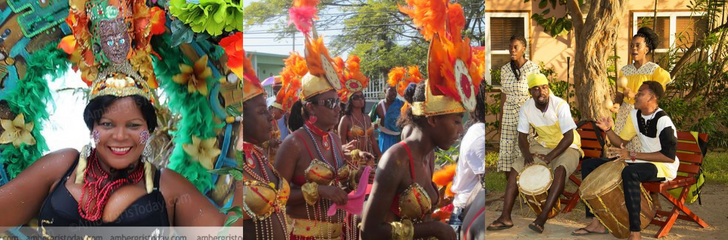
Garifuna Punta Dancing: The Garifuna people, an Afro-indigenous community, are known for their vibrant Punta dancing. This traditional dance form is often accompanied by drumming and singing and is an integral part of Garifuna cultural events and celebrations.
Maya Ceremonies: The Maya, with a rich cultural heritage in Belize, continue to practice traditional ceremonies. These may include rituals related to agriculture, spiritual ceremonies, and events tied to the ancient Maya calendar.
Carnival Celebrations: Carnival is a lively and colorful celebration in Belize, especially in the days leading up to Lent. Festivities include parades, music, dance, and elaborate costumes. It is influenced by both European and African traditions.
Baron Bliss Day: Baron Bliss Day is a national holiday in Belize that honors the memory of Baron Bliss, a benefactor who left a substantial endowment to the country. On this day, Belizeans engage in regattas, fishing competitions, and other water-based activities.
Fishing Tournament Celebrations: Belize hosts various fishing tournaments, and these events are often celebrated with fanfare. Fishing communities participate in lively competitions, and the winners are recognized and rewarded.
Traditional Healing Practices: Some communities in Belize, particularly those with indigenous roots, may still practice traditional healing methods. These may involve the use of herbal remedies, rituals, and spiritual practices to promote health and well-being.
DÃa de los Muertos (Day of the Dead): Influenced by Mexican traditions, DÃa de los Muertos is observed in Belize. Families gather to honor and remember their departed loved ones, creating altars adorned with photos, food, and mementos.
Creole Brukdown Music: Brukdown is a traditional Belizean music genre with roots in Creole culture. It features lively rhythms, accordion, drums, and guitars. The music is often accompanied by traditional dances.
Garifuna Settlement Day: Celebrated on November 19th, Garifuna Settlement Day commemorates the arrival of the Garifuna people in Belize. The day is marked by cultural performances, parades, traditional food, and drumming.
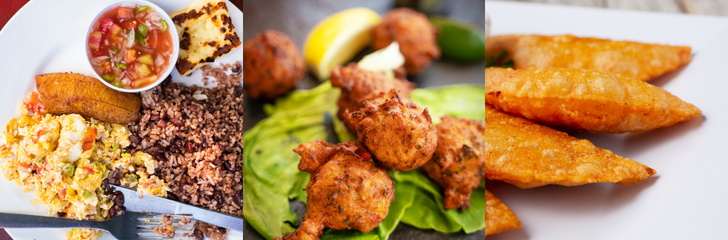
Traditional Foods and Cooking: Belizean cuisine is influenced by a mix of cultures, and traditional foods include rice and beans, stew chicken, tamales, hudut (fish soup with coconut milk), and cassava-based dishes.
These traditional customs highlight the cultural diversity of Belize and the importance of preserving and celebrating the unique heritage of its various ethnic groups. The customs often involve a combination of music, dance, food, and spirituality, creating a dynamic and vibrant cultural landscape.
Festivals and Holidays in Belize
Belize celebrates a variety of festivals and holidays that reflect its diverse cultural heritage and historical influences. Here are some notable festivals and holidays in Belize:
Baron Bliss Day (March 9): A national holiday that honors the memory of Baron Bliss, a British philanthropist who bequeathed a significant amount of money to Belize. The day is marked by regattas, fishing competitions, and other water-based activities.
Good Friday and Easter Monday (March/April): Celebrated with religious observances, processions, and festive events. Many Belizeans engage in family gatherings and activities during the Easter weekend.
St. George's Caye Day (September 10): Commemorates the Battle of St. George's Caye, a key event in Belize's history when British settlers and their slaves successfully defended the territory against a Spanish invasion. The day is marked by parades, reenactments, and patriotic celebrations.
Independence Day (September 21): Marks Belize's independence from British rule in 1981. Celebrations include a carnival, parades, cultural performances, and patriotic events throughout the country.
Commonwealth Day (Second Monday in March): A public holiday that celebrates Belize's membership in the Commonwealth of Nations. Events include flag-raising ceremonies, parades, and cultural activities.
Garifuna Settlement Day (November 19): Celebrates the arrival of the Garifuna people to Belize's shores in 1802. Festivities include drumming, dancing, traditional ceremonies, and reenactments in Garifuna communities.
Christmas Day (December 25) and Boxing Day (December 26): Christmas is celebrated with religious services, feasts, and gift-giving. Boxing Day is often a time for sports, relaxation, and charitable activities.
New Year's Day (January 1): Welcomes the beginning of the new year with various festivities, including parties, fireworks, and social gatherings.
Carnival (September): Carnival is a lively and colorful celebration held in the days leading up to Independence Day. Festivities include parades, music, dance, and elaborate costumes.
National Agriculture and Trade Show (April): A major event showcasing Belize's agricultural and industrial sectors. The show features exhibitions, livestock displays, entertainment, and cultural performances.
DÃa de los Muertos (Day of the Dead, November 1-2): Influenced by Mexican traditions, Belizeans observe DÃa de los Muertos with ceremonies, altars, and offerings to honor deceased loved ones.
These festivals and holidays in Belize reflect the country's cultural diversity, history, and the importance of community and tradition. The celebrations often involve a mix of religious, historical, and cultural elements, making them vibrant and significant events for Belizeans.
Traditional Clothing and Cuisine
Traditional Clothing:
Mestizo: Traditional Mestizo clothing in Belize is influenced by Spanish and indigenous Maya styles. Women may wear brightly colored dresses with intricate embroidery, while men often wear white cotton shirts paired with trousers.
Garifuna: Garifuna traditional attire includes colorful fabrics with geometric patterns for both men and women. Women may wear a combination of a headwrap, blouse, and a flowing skirt, while men often wear shirts and pants with a sash.
Maya: Traditional Maya clothing varies among different Maya communities. Women might wear handwoven huipiles (blouses) and brightly colored skirts, often complemented by elaborate accessories. Men may wear white cotton shirts and pants.
Creole: Creole clothing is influenced by African and European styles. Women may wear brightly colored headwraps, dresses, and skirts, while men may opt for loose-fitting shirts and pants, especially during cultural events.
East Indian: Traditional East Indian clothing in Belize is worn during cultural events and celebrations. Women may wear colorful saris, and men might opt for traditional kurta-pajama combinations.
Chinese: Traditional Chinese clothing is worn during important cultural celebrations. This may include garments such as qipao for women and changshan for men.
Mennonite: Mennonite clothing reflects a simple and modest lifestyle. Women may wear long dresses with aprons, and men typically wear plain shirts and trousers.
Traditional Cuisine:
Rice and Beans: A staple in Belizean cuisine, often served with stewed chicken, pork, or fish. Coconut milk is commonly used in the preparation.
Fry Jacks: Deep-fried dough pockets served as a breakfast item, often accompanied by beans, eggs, or cheese.
Hudut: A Garifuna dish consisting of fish cooked in a coconut milk-based broth, often served with mashed plantains.
Tamales: A traditional dish made with masa (corn dough) filled with various ingredients such as chicken, pork, or beans, wrapped in banana leaves and steamed.
Cassava Bread: Common among the Maya, cassava bread is made from grated cassava and traditionally cooked on a griddle. It is often served with various toppings.
Conch Fritters: A popular dish made with conch meat seasoned with herbs and spices, formed into fritters, and deep-fried.
Johnny Cakes: Fried dough bread often served as a side dish with various meals.
Escabeche: A dish influenced by Maya and Mestizo cultures, it involves marinating chicken or turkey in a spicy onion and vinegar mixture.
Chirmole: A savory sauce made with spices, tomatoes, and chocolate, often served with chicken or game meat.
Belizean Rum Cake: A popular dessert made with local rum, often enjoyed during celebrations and holidays.
Belizean cuisine is a flavorful mix of indigenous, African, Spanish, and Caribbean influences, resulting in a diverse and delicious array of traditional dishes.
Art and Architecture
Influential Artists and Architects
As of my last knowledge update in January 2022, Belize has a growing and dynamic artistic community, with many talented individuals contributing to the fields of visual arts and architecture. Here are some influential artists and architects associated with Belize:
Artists:
Pen Cayetano: A renowned artist and musician, Pen Cayetano is considered one of Belize's leading cultural figures. His artwork often depicts scenes of Garifuna life and culture, and he has played a significant role in promoting Garifuna art internationally.
Myrna Manzanares: Myrna Manzanares is a prominent Belizean painter known for her vibrant and expressive works. Her art often explores themes related to Belizean identity, culture, and nature.
Gilvano Swasey: Gilvano Swasey is a contemporary Belizean artist whose work often reflects a fusion of traditional and contemporary influences. He is known for his paintings, sculptures, and installations.
Cordel Hyde: While known primarily as a politician, Cordel Hyde is also recognized for his contributions to the art scene in Belize. He has been involved in promoting and supporting local artists.
Architects:
Pierre DuBoulay: Pierre DuBoulay is a Belizean architect known for his work in sustainable and eco-friendly design. He has been involved in projects that emphasize the use of renewable materials and environmentally conscious practices.
Shalini Gammon: Shalini Gammon is an architect with a focus on sustainable and socially responsible design. She has been involved in projects that integrate modern design principles with a commitment to community development.
Francis J. Godfrey: Francis J. Godfrey is an architect and urban planner who has contributed to Belize's built environment. His work often involves creating functional and aesthetically pleasing spaces that respond to local needs.
Ignacio Marquina: Ignacio Marquina is an architect known for his contributions to the restoration and preservation of historical buildings in Belize, particularly in Belize City. His work emphasizes the importance of conserving the country's architectural heritage.
Notable Art Movements and Architectural Styles
Belize, being a relatively young nation, doesn't have distinct art movements or architectural styles that originated within its borders. However, the country has been influenced by broader regional and international trends. Here are some general influences on art and architecture in Belize:
Art Movements:
Indigenous and Folk Art: The indigenous cultures of Belize, particularly the Maya and Garifuna, have a rich tradition of folk art. This includes intricate weaving, pottery, basketry, and traditional paintings that often depict scenes from daily life, nature, and spirituality.
Contemporary and Fusion Art: Belize's art scene is characterized by a mix of contemporary and traditional influences. Many artists blend local cultural elements with modern techniques, creating a fusion of styles that reflects the country's diverse heritage.
Socially Engaged Art: Some Belizean artists engage in socially relevant and politically charged artwork, addressing issues such as environmental conservation, cultural identity, and social justice. This trend aligns with global movements emphasizing art as a form of activism and social change.
Architectural Styles:
Colonial and British Influences: Belize has several colonial-era structures that showcase British architectural styles. Notable examples include Government House and St. John's Cathedral in Belize City. These structures feature elements of colonial architecture, including Victorian and Georgian influences.
Maya Ruins and Indigenous Architecture: The ancient Maya ruins in Belize, such as Caracol and Xunantunich, represent a unique architectural heritage. The classic Maya architectural style includes pyramids, temples, and ball courts, demonstrating advanced knowledge of engineering and astronomy.
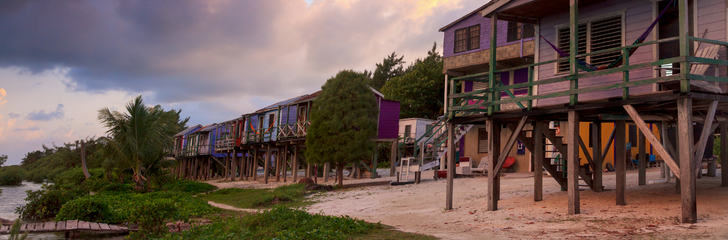
Traditional Belizean Vernacular Architecture: In rural areas, traditional houses often feature raised wooden structures on stilts. This design allows for natural ventilation, protection against flooding, and is well-suited to Belize's tropical climate.
Sustainable and Eco-Friendly Design: With a growing emphasis on environmental consciousness, some architects in Belize incorporate sustainable practices into their designs. This may include the use of renewable materials, energy-efficient technologies, and designs that harmonize with the natural surroundings.
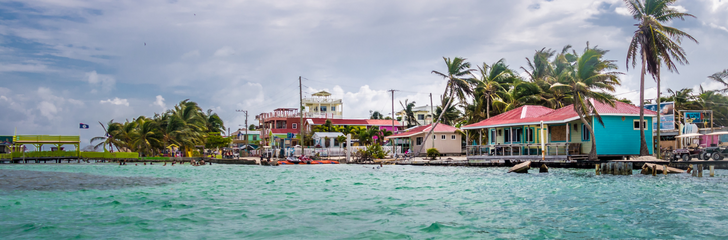
Tourist and Resort Architecture: Coastal areas in Belize, known for their tourism industry, feature architectural styles associated with resorts and vacation properties. These may include tropical designs, thatched roofs, and open-air structures that take advantage of the natural beauty.
Music and Dance
Traditional Music and Dance Forms
Traditional Music:
Punta: Description: Punta is a lively and energetic Garifuna music style characterized by intricate drumming, rhythmic beats, and call-and-response vocals. Traditional Garifuna drums, including the Primero, Segundo, and Bass drums, are essential to Punta music.
Paranda: Description: Paranda is a traditional Garifuna music genre that incorporates acoustic guitars and soulful vocals. The lyrics often tell personal stories, convey emotions, or narrate cultural experiences.
Jankunu (John Canoe) Music: Description: Jankunu music is associated with the Jankunu dance, often performed during Christmas and other festive occasions. It involves lively tunes accompanied by percussion instruments, including drums and rattles.
Brukdown: Description: Brukdown is a Belizean music genre influenced by calypso and folk traditions. It typically features accordion, guitar, and drums. The lyrics are often humorous and address various social and cultural themes.
Maya Music: Description: Traditional Maya music varies among different communities, featuring instruments like drums, flutes, and marimbas. Maya music is often an integral part of ceremonies, rituals, and celebrations.
Traditional Dance:
Punta Dance: Description: The Punta dance is a key component of Garifuna culture, often performed during celebrations and social events. It involves intricate footwork, hip movements, and colorful traditional attire.
Jankunu (John Canoe) Dance: Description: Jankunu dance is performed during Christmas festivities. Dancers wear elaborate costumes, including masks, and engage in energetic and symbolic movements, often accompanied by lively music.
Charikanari Dance: Description: The Charikanari dance is a traditional Maya dance that features intricate footwork and symbolic movements. It is often performed during cultural events and celebrations.
Maypole Dance: Description: The Maypole dance is a traditional dance performed during May Day celebrations. Dancers, usually children, weave colorful ribbons around a central pole, creating intricate patterns.
Garifuna Wanaragua Dance: Description: The Wanaragua dance is a Garifuna tradition involving masked performers. It often takes place during cultural events and serves as a form of cultural preservation and expression.
Creole Brukdown Dance: Description: The Brukdown dance is associated with the Brukdown music genre. It involves lively footwork and energetic movements, reflecting the celebratory nature of the music.
Maya Deer Dance: Description: The Deer Dance is a traditional Maya dance that tells the story of the hunting and sacrifice of a deer. It is often performed during religious and cultural events.
Contemporary Music Scene
The contemporary music scene in Belize has been marked by a fusion of traditional influences, international genres, and modern styles. The country has a diverse musical landscape that encompasses various genres, reflecting the multicultural nature of Belizean society. Here are some aspects of the contemporary music scene in Belize:
Reggae and Dancehall: Reggae and dancehall continue to be popular genres in Belize, with local artists producing music that reflects the influence of Jamaican sounds. The reggae scene often intersects with local Caribbean and Garifuna styles.
Punta Rock: Building on the traditional Punta style, Punta Rock is a contemporary genre that incorporates elements of punta with modern sounds like soca, dancehall, and hip-hop. Belizean artists have contributed to the evolution of Punta Rock, making it a dynamic and popular genre.
Hip-Hop and R&B: Hip-hop and R&B have a presence in the Belizean music scene, with artists infusing these genres with local flavors and experiences. Rap lyrics often touch on social issues, personal stories, and cultural themes.
Pop and Rock: Belize has local bands and artists exploring pop and rock genres, creating music that resonates with both local and international audiences. Live performances, especially in urban areas, contribute to the vibrancy of the contemporary music scene.
Garinagu Music: Contemporary Garifuna music artists contribute to the fusion of traditional Garifuna styles with modern sounds. This includes the incorporation of electronic elements and diverse musical influences.
Electronic and EDM: Belize has seen a growing interest in electronic music and EDM. Local DJs and producers experiment with electronic sounds, and electronic music events have gained popularity in urban areas.
Cross-Genre Collaborations: Many Belizean artists engage in cross-genre collaborations, blending elements of different styles to create a unique sound. This reflects the diversity of influences in Belizean culture.
Music Festivals: Music festivals, both local and international, contribute to the contemporary music scene. These events often feature a mix of genres, showcasing the talents of both established and emerging artists.
Online Platforms: The use of online platforms, including social media and streaming services, has allowed Belizean artists to reach a broader audience. It provides a space for the promotion and distribution of local music on a global scale.
Youth Engagement: There is a growing engagement of young musicians and artists in shaping the contemporary music scene. Youth-led initiatives, music education programs, and talent competitions contribute to the development of new talent.
UNESCO World Heritage Sites
Description of Major Heritage Sites
Belize is home to several major heritage sites that showcase the country's rich cultural and historical significance. These sites range from ancient Maya ruins to colonial-era structures. Here are descriptions of some major heritage sites in Belize:
Caracol: Caracol is one of the most extensive and impressive ancient Maya sites in Belize. Nestled within the Chiquibul Forest Reserve, Caracol features massive pyramids, plazas, and an intricate network of causeways. The site was a major Maya city during the Classic Period and reached its peak around 650 AD.
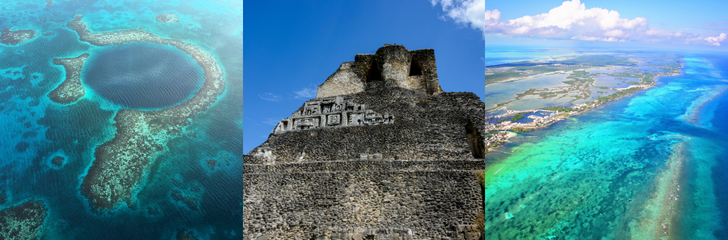
Xunantunich: Xunantunich, which means "Stone Woman," is a Maya archaeological site near the town of San Ignacio. The site's main structure, El Castillo, is a large pyramid with stunning views of the surrounding landscape. Xunantunich was an essential ceremonial and residential center during the Classic Period.
Lamanai: Lamanai is an ancient Maya city situated along the New River Lagoon. The site boasts well-preserved structures, including the High Temple and the Mask Temple. Lamanai was occupied for over 3,000 years, making it one of the longest-occupied Maya sites in Belize.
Altun Ha: Altun Ha, the "Rockstone Pond" in Maya, is known for its impressive central temple, the Temple of the Masonry Altars. The site was a significant trading center during the Classic Period and is famous for the discovery of the Jade Head, a ceremonial jade artifact.
Cahal Pech: Cahal Pech is an ancient Maya site located on a hill overlooking the town of San Ignacio. It consists of plazas, temples, and residential structures. Cahal Pech served as a royal palace during the Classic Period and offers panoramic views of the surrounding area.
St. John's Cathedral: St. John's Cathedral is the oldest Anglican church in Central America. Built in the 19th century, it features a mixture of European and Caribbean architectural styles. The cathedral played a significant role in Belize's colonial history and is a focal point for historical and cultural events.
Actun Tunichil Muknal (ATM) Cave: ATM Cave is a natural cave system with archaeological significance. It served as a sacred site for the ancient Maya, and within the cave, there are artifacts and human skeletal remains, including the famous "Crystal Maiden."
Great Blue Hole: While not a traditional archaeological site, the Great Blue Hole is a UNESCO World Heritage Site and a natural wonder. It is a massive underwater sinkhole, circular in shape and surrounded by coral reefs. The site is popular for diving and exploration.
Importance to Belizean Culture and Heritage
The major heritage sites in Belize hold immense importance to the country's culture and heritage, playing a significant role in shaping the national identity and fostering an appreciation for Belize's rich history. Here are several ways in which these heritage sites contribute to Belizean culture:
Preservation of Maya Civilization: The ancient Maya sites, including Caracol, Xunantunich, Lamanai, and Altun Ha, are vital in preserving the cultural and architectural achievements of the Maya civilization. They serve as tangible reminders of the advanced knowledge, artistry, and urban planning of the ancient Maya people.
Connection to Ancestral Roots: Heritage sites such as Caracol and Xunantunich are often considered sacred by Belizeans with Maya ancestry. They provide a tangible link to ancestral roots, fostering a sense of connection to the traditions, rituals, and lifestyles of the ancient Maya.
Cultural Tourism and Education: These heritage sites attract both local and international visitors, contributing to cultural tourism. Educational programs, guided tours, and interpretive centers at the sites help raise awareness about Belize's cultural history, encouraging a deeper understanding of the country's heritage.
National Pride and Identity: The preservation and celebration of Belize's heritage sites instill a sense of national pride and identity. They symbolize the resilience and continuity of Belizean culture, serving as iconic representations of the country's historical legacy.
Cultural Festivals and Celebrations: Some heritage sites, like Altun Ha and Caracol, become focal points for cultural festivals and celebrations. These events often include traditional dances, music performances, and reenactments, providing a platform for the expression and celebration of Belizean culture.
Spiritual and Ceremonial Significance: Maya archaeological sites, including Cahal Pech, served as centers for spiritual and ceremonial activities. They continue to hold significance for ceremonies, rituals, and events that connect modern Belizeans to their spiritual heritage.
Architectural Heritage: Colonial-era structures, such as St. John's Cathedral, contribute to Belize's architectural heritage. They reflect the influence of European styles and the historical development of Belize during the colonial period.
Environmental Conservation: Natural wonders like the Great Blue Hole and the ATM Cave contribute to Belize's environmental heritage. They highlight the importance of preserving natural landscapes and fostering awareness of the country's unique biodiversity.
Cultural and Historical Research: Heritage sites provide valuable opportunities for archaeological and historical research. Ongoing studies and excavations contribute to a deeper understanding of Belize's past, helping to reconstruct historical narratives and timelines.
Tourism and Economic Impact: The tourism industry, driven in part by heritage site visits, contributes to Belize's economy. Revenue generated from tourism helps fund conservation efforts, site maintenance, and cultural preservation initiatives.
LANGUAGE AND COMMUNICATION IN BELIZE
Official Language
Belize has two official languages:
English: English is the official language of Belize and is used in government, education, and official documents. It is the language of instruction in schools, and legal and official documents are typically written in English. Belize's use of English is a legacy of its colonial history when it was known as British Honduras.
Kriol (Belizean Creole): Kriol, often referred to as Belizean Creole, is also recognized as an official language alongside English. Kriol is a creole language that developed as a lingua franca among the diverse ethnic groups in Belize, including Creole, Garifuna, Mestizo, Maya, and others. While English is used in formal settings, Kriol is widely spoken in daily communication and is an integral part of Belizean culture.
Both English and Kriol contribute to the linguistic diversity of Belize, reflecting the country's multicultural heritage and the influence of various ethnic groups and communities.
English Proficiency
English proficiency in Belize is generally high, as English is the official language and the medium of instruction in schools. The educational system in Belize emphasizes English language learning from early childhood through the various levels of formal education.
Here are some factors influencing English proficiency in Belize:
Education System: English is the language of instruction in schools, and students are taught in English from primary school through higher education. This focus on English-language education contributes to a generally high level of proficiency among the population.
Multilingual Environment: While English is the official language, Belize is a multicultural and multilingual country. Many Belizeans are also fluent in other languages such as Kriol, Spanish, and Garifuna. This multilingual environment can influence language use in different social settings.
Urban vs. Rural Dynamics: English proficiency may vary between urban and rural areas. In urban centers and more populated areas, there is generally a higher prevalence of English proficiency due to greater exposure and access to educational resources.
It's important to note that while English is widely spoken and understood, there may be variations in proficiency among individuals and communities. Additionally, Kriol is a common and widely spoken creole language in Belize, particularly in informal and community settings. Overall, the linguistic landscape of Belize reflects the country's cultural diversity and its historical connections to both English and various other languages.
Communication Style
Formality and Informality in Communication
The communication style in Belize is influenced by its cultural diversity and historical background. Here are some key aspects of communication style in Belize:
Politeness and Respect: Belizeans generally value politeness and respect in communication. It is common to use polite expressions, greetings, and acknowledgments in both formal and informal interactions.
Language Use: English is the official language, and it is widely used in formal settings, education, and business. However, Kriol (Belizean Creole) is a commonly spoken language in informal and community contexts. The use of Kriol varies, and individuals may switch between English and Kriol depending on the setting.
Directness and Indirectness: Communication styles may vary between direct and indirect depending on the context. In formal and professional settings, direct communication is often valued. In interpersonal relationships and community interactions, there may be a preference for indirect communication, especially when discussing sensitive topics.
Hospitality and Warmth: Belizeans are known for their hospitality and warmth. Greetings are important, and people often take the time to inquire about each other's well-being. Small talk and friendly conversations are common in social interactions.
Hierarchy and Formality: In formal and professional settings, there is a level of respect for hierarchy and formality. Titles and proper greetings are used when addressing individuals in positions of authority. However, Belizeans generally appreciate an informal and friendly tone in day-to-day interactions.
Understanding and respecting the cultural context is crucial when communicating in Belize. Flexibility, openness, and a willingness to adapt to different communication styles contribute to effective and positive interactions in this culturally diverse nation.
Formality and Informality in Communication
Non-verbal communication cues and conventions play a crucial role in interpersonal interactions in Belize. These non-verbal signals often convey emotions, attitudes, and cultural nuances. Here are some key non-verbal communication cues and conventions observed in Belize:
Eye Contact
Facial Expressions
Gestures
Personal Space
Posture
Touch
Head Nods
Tone of Voice
Cultural Context
Timing and Punctuality
Non-Verbal Responses
Dress and Appearance
Understanding and interpreting these non-verbal cues are crucial for effective communication in Belize. Being aware of cultural nuances, context, and individual preferences enhances the ability to navigate and build positive relationships in this diverse and culturally rich environment.