
Living
Cost of Living | Healthcare and Facilities | Education System | Safety and Security | Utilities and Services | Social Integration and Communities
Cost of Living
Living Expenses
Average Cost of Housing
- Panama City:
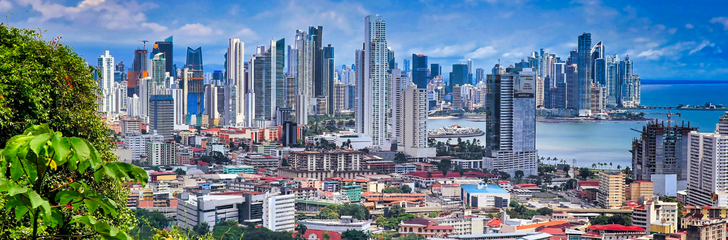
- In the capital city, Panama City, housing costs tend to be higher, especially in popular neighborhoods and areas with modern amenities. Apartment rentals can range from a few hundred dollars to several thousand dollars per month, depending on factors like size and location.
- Other Urban Areas:
- In other urban areas, such as David or Chitr�, housing costs may be lower compared to Panama City. Rental prices for apartments or houses are generally more affordable, making these areas attractive to residents seeking a lower cost of living.
- Rural Areas:
- In rural areas, the cost of housing tends to be lower than in urban centers. Many factors, including proximity to services and infrastructure, influence housing prices in rural locations.
- Buying Property:
- The cost of purchasing property in Panama varies based on factors like location, size, and property type. Real estate markets in popular expatriate destinations, beachfront areas, and gated communities may have higher property prices.
| Location | Average Monthly Rent for 1-Bedroom Apartment |
| Panama City Center | $800 - $1,200 (USD) |
| Panama City (Outside Center) | $600 - $900 (USD) |
| Other Urban Areas | $400 - $700 (USD) |
| Rural Areas | $300 - $500 (USD) |
Income and Salaries
Average Income Levels
- Minimum Wage:
- Panama has a national minimum wage, which is periodically adjusted. As of my last update, the minimum wage was around $2.37 per hour.
- Average Household Income:
- The average household income in Panama can vary widely. In urban areas and certain industries, the average income tends to be higher than in rural areas. Professionals working in finance, IT, and other well-established sectors often earn above-average incomes.
- Median Income:
- The median income provides a middle point, indicating that half of the population earns less, and half earns more. As of my last update, the median income in Panama was around $1,200 to $1,500 per month.
- High-Income Groups:
- Executives, professionals, and individuals working in lucrative industries may have higher income levels, often exceeding the national average.

Healthcare and Facilities
Healthcare System
Panama's healthcare system provides a mix of public and private services, aiming to offer accessible and comprehensive medical care to its population. The Ministry of Health oversees public healthcare facilities and programs, while private healthcare institutions contribute significantly to the overall healthcare landscape. Urban centers, especially Panama City, have well-equipped hospitals and clinics with modern medical technology and skilled healthcare professionals. Expatriates and locals often opt for private health insurance to access a broader range of services. Panama's healthcare system is known for its affordability compared to many developed countries, attracting medical tourists seeking quality care at reasonable costs.
Health Insurance
Health insurance in Panama is an essential consideration for residents and expatriates, providing access to a range of medical services and facilities. The country offers a dual healthcare system with both public and private options, and many individuals opt for private health insurance to ensure broader coverage and quicker access to healthcare services.
Education System
Schooling
Structure of the Education System
- Pre-school Education:
- Pre-school education is non-compulsory and is typically for children between the ages of 3 and 5. It serves as an introduction to formal education and focuses on early childhood development.
- Primary Education:
- Primary education is compulsory and spans six years, usually starting around age 6. Students receive a general education curriculum covering subjects such as language, mathematics, science, and social studies.
- Secondary Education:
- Secondary education is also compulsory and comprises three cycles, each lasting three years. It includes a more specialized curriculum, and students typically choose between academic or technical tracks based on their interests and career goals.
- Technical and Vocational Education:
- In addition to academic tracks, secondary education offers technical and vocational programs to prepare students for specific trades and professions.
- Higher Education:
- Higher education in Panama includes universities and higher education institutions offering bachelor's, master's, and doctoral degrees. The Panamanian government has invested in expanding higher education opportunities, and several universities provide a range of academic disciplines.
Higher Education
Overview of Universities
- University of Panama (Universidad de Panam� - UP):
- Established in 1935, the University of Panama is the country's oldest and largest public university. It offers a wide array of undergraduate and graduate programs across various disciplines.
- Technological University of Panama (Universidad Tecnol�gica de Panam� - UT):
- The Technological University of Panama is a public institution focused on providing education and research in engineering, science, and technology.
- Santa Mar�a La Antigua Catholic University (Universidad Cat�lica Santa Mar�a La Antigua - USMA):
- Founded in 1965, USMA is a private Catholic university offering a range of programs in fields such as law, business, health sciences, and humanities.
- Latin University of Panama (Universidad Latina de Panam�):
- A private institution, the Latin University of Panama provides diverse academic programs, including business administration, engineering, and health sciences.
- Columbus University (Universidad Columbus):
- Columbus University is a private university offering programs in business administration, law, engineering, and other disciplines.
- ISAE University (Universidad ISAE):
- A private university that emphasizes fields such as business, international relations, and aeronautics.
- Quality Leadership University (QLU):
- QLU is a private institution focused on leadership education and offers programs in business administration, marketing, and hospitality management.

Safety and Security
Crime Rate
Overview of Crime Rates
Panama has dealt with various types of crime, including petty theft, burglary, and drug-related offenses. Certain urban areas, such as Panama City and Col�n, have been reported to have higher crime rates compared to rural areas. Violent crime rates, including incidents of robbery and assault, have been of concern in certain neighborhoods.
Prevalence of Different Types of Crimes
| Crime Type | Prevalence | Regions Commonly Affected |
| Petty Theft/Burglary | Relatively common, especially in urban areas | Panama City, Col�n, and other urban centers |
| Robbery | Occasional instances reported | Urban areas, particularly in certain neighborhoods |
| Drug-Related Offenses | A concern due to its role as a transit hub | Areas with trafficking routes, border regions |
| White-Collar Crime | Exists but may not be as prevalent as in some countries | Urban centers, financial districts |
| Violent Crimes (Assault, Homicide) | Varied, with certain areas experiencing higher rates | Urban areas, neighborhoods with economic challenges |
Emergency Services
Availability and Reliability
Here are the emergency contact numbers for key services in Panama:
| Service | Contact Number |
| Police | 911 |
| Medical Emergency | 911 |
| Fire Department | 911 |
| Tourist Police | 511 |
For non-emergency services, such as general inquiries or information, you may contact the national non-emergency number:
| Non-Emergency | Contact Number |
| General Information | 311 |

Utilities and Services
Utility Services
- Electricity:
- Mix of public and private providers.
- Hydroelectric power is significant.
- Efforts to diversify into renewables.
- Water Supply:
- Priority on clean, safe water access.
- IDAAN manages water supply and sanitation.
- Ongoing efforts to improve infrastructure.
- Gas:
- Limited use of natural gas.
- Discussions about potential development.
Costs Associated
| Service | Monthly Cost Estimate |
| Electricity | Varies based on usage, but roughly $50 - $100 |
| Water | Approximately $20 - $40 |
| Gas (if applicable) | Varies; if available, around $20 - $50 |
Internet and Telecommunications
Internet Service Providers
- Cable & Wireless Panam� (C&W Panam�):
- One of the major telecom companies in Panama, offering a variety of internet plans.
- Claro Panam�:
- Another prominent telecom company providing internet services along with mobile and TV services.
- Movistar Panam�:
- Movistar, a well-known international telecom company, also operates in Panama, offering internet services.
- Cable Onda:
- Cable Onda is a major provider in Panama, offering broadband internet, cable TV, and telecommunication services.
- Cable & Wireless Business Solutions:
- C&W also provides business-focused internet solutions for enterprises.
Social Integration and Communities
Social Integration
Overview of Societal Norms
Panamanian societal norms reflect a blend of cultural influences, emphasizing family, respect for elders, and a strong sense of community. The warmth in social interactions, coupled with cultural events, contributes to a shared national pride and a unique blend of traditional and modern values.
Communities and Networking
Availability of Expatriate Communities
Panama hosts a diverse expatriate community, attracted by its favorable climate, economic opportunities, and a range of lifestyle options. Expatriates often settle in popular areas such as Panama City, Boquete, and Bocas del Toro. These communities contribute to the country's cultural diversity, and various services cater to the needs of expatriates, including international schools, social clubs, and support networks. The availability of expatriate communities enhances the overall experience for those who choose Panama as their new home.
Language and Communication
Importance of Knowing Spanish
Knowing Spanish is crucial in Panama due to its status as the official language. It facilitates daily communication, cultural integration, job opportunities, and a smoother experience in various aspects of life, emphasizing the importance of language proficiency for residents and visitors alike.