
About
Overview | Climate and Geography | Demographics | Culture and Heritage | Language and Communication
Overview
Brief History of Panama
Panama, located in Central America, has a history shaped by indigenous cultures and Spanish exploration. The Isthmus of Panama became a crucial route for transporting treasures between South America and Spain, marked by pirate attacks, including one by Henry Morgan in 1671, which led to the relocation of the capital to Panama City. After declaring independence in 1821, Panama briefly joined Gran Colombia.
The construction of the Panama Railroad in the 19th century and the subsequent completion of the Panama Canal by the U.S. in 1914 marked significant milestones. Post-canal, Panama underwent economic growth and political stability, culminating in the transfer of canal control in 1999. Today, Panama is celebrated for its diverse culture and the continued global significance of the Panama Canal.
Political Structure
Panama operates under a democratic political structure with a presidential system. The President serves as both the head of state and government, elected by popular vote for a five-year term. The National Assembly, a unicameral legislative body, is responsible for making laws, and the Supreme Court of Justice serves as the highest judicial authority. The country is divided into provinces and territories, each with its local government. Panama has a multi-party system, and elections are held every five years, encompassing both presidential and legislative positions.
Economy
Panama boasts a robust and diversified economy, characterized by its strategic geographic location and the presence of the Panama Canal. As a key international trade hub, the country has experienced consistent economic growth. Its services sector, including finance and banking, plays a significant role, with Panama City serving as a major financial center. Additionally, industries such as shipping, logistics, and tourism contribute to the country's economic vitality. Panama uses the U.S. dollar as its official currency, fostering economic stability. Overall, Panama's economy reflects a dynamic blend of trade, services, and strategic infrastructure.
Education and Healthcare
In Panama, education and healthcare are crucial components of social development. The country has made strides in improving educational access and quality, with a focus on expanding primary and secondary education. Healthcare services have also seen advancements, and Panama has worked to enhance public health infrastructure. Efforts in both sectors aim to address disparities, improve overall well-being, and contribute to the nation's social progress
Climate and Geography
Geography
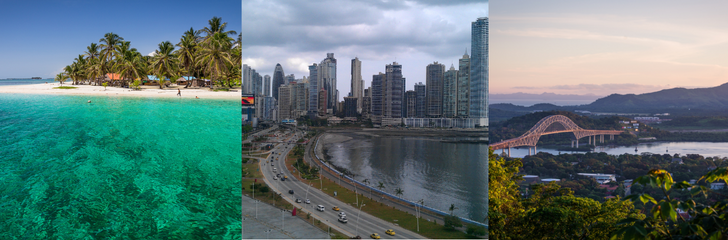
Panama, situated at the crossroads of Central and South America, features a diverse geography that encompasses tropical rainforests, mountain ranges, and extensive coastlines on both the Pacific Ocean and the Caribbean Sea. The country's most iconic geographical feature is the narrow Isthmus of Panama, connecting North and South America. The Panama Canal, a critical waterway, cuts through this isthmus and serves as a vital conduit for global maritime trade. The varied topography of Panama supports rich biodiversity, making it a hotspot for ecological diversity. Additionally, the country's climate is predominantly tropical, contributing to its lush landscapes and natural beauty.
Climate
Climate Variations by Region
Panama exhibits diverse climate variations across its regions due to its geographical features and location. Here's a brief overview:
- Central Interior:
- The central interior regions, including Panama City, experience a tropical wet and dry climate.
- There are distinct wet and dry seasons. The wet season typically lasts from May to December, characterized by heavy rainfall, while the dry season spans from January to April.
- Pacific Coast:
- The climate along the Pacific coast tends to be drier compared to other regions.
- The Azuero Peninsula, for example, can experience prolonged dry periods, especially during the dry season.
- Caribbean Coast:
- The climate on the Caribbean coast is influenced by the trade winds and is characterized by a more consistent and evenly distributed rainfall throughout the year.
- The Bocas del Toro region, on the Caribbean side, receives significant rainfall and has a more humid climate.
- Mountainous Regions:
- The mountainous areas, such as the highlands in the western part of the country, have cooler temperatures compared to the lowland areas.
- Boquete, nestled in the Chiriqu� Highlands, is known for its temperate climate, making it a popular destination.
- Darien Province:
- The Darien Province, in the easternmost part of Panama, features a tropical rainforest climate with high temperatures and significant rainfall throughout the year.
Demographics
Population Size and Density
The current population density of Panama in 2023 is 59.32 people per square kilometer, a 1.35% increase from 2022. The population density of Panama in 2022 was 58.53 people per square kilometer, a 1.32% increase from 2021.
Age Distribution
| Age group | Percentage of Population |
| 0�14 years | 25.44% |
| 15�64 years | 65.66% |
| 65 and over | 8.90% |
Ethnic Composition
Panama is characterized by a diverse ethnic composition, reflective of its rich history and cultural influences. The major ethnic groups in Panama include:
Mestizo: Mestizos in Panama are of mixed European and indigenous ancestry. They constitute a significant portion of the population and contribute to the cultural diversity of the country.
Indigenous Peoples: Various indigenous groups inhabit different regions of Panama, including the Ng�be-Bugl�, Guna, Ember�, Wounaan, and others. These communities have distinct languages, traditions, and lifestyles.
Afro-Panamanians: Descendants of African slaves who were brought to Panama during the colonial period make up a notable portion of the population. Many Afro-Panamanians reside in the provinces of Col�n and Bocas del Toro.
European Descent: People of European descent, primarily of Spanish origin, form a part of Panama's population. This group has played a historical role in shaping the country's culture and institutions.
Asian Communities: Panama is also home to communities of Chinese and Indian descent, who have contributed to the cultural and economic landscape of the country.
Religion
Panama is characterized by religious diversity, and the constitution guarantees freedom of religion. The major religions practiced in Panama include:
- Roman Catholicism:
- Roman Catholicism has historically been the dominant religion in Panama, and a significant portion of the population identifies as Catholic.
- The country has a strong Catholic influence, with various religious festivals and traditions playing a role in the cultural fabric.
- Protestantism:
- Protestantism has seen significant growth in Panama, with various denominations represented. Evangelical and Pentecostal churches, in particular, have gained followers.
- Other Christian Denominations:
- Other Christian denominations, including Anglicans and Baptists, have a presence in Panama, contributing to the religious diversity.
- Indigenous and Afro-Caribbean Religions:
- Indigenous communities often maintain their traditional belief systems, which may involve animistic or syncretic practices.
- Afro-Caribbean communities may practice religions with African roots, including various forms of syncretic Afro-Latin religions.
- Other Religions:
- There are also smaller communities practicing other religions, such as Judaism, Islam, and Hinduism, reflecting the cultural and ethnic diversity of the population.
Culture and Heritage
Traditional Customs
Festivals and Holidays
Independence Day (D�a de la Independencia): Celebrated on November 3rd, this holiday marks Panama's separation from Colombia in 1903. Festivities include parades, music, and patriotic events.
Carnival (Carnaval): Carnival is a vibrant celebration held in the days leading up to Lent. Colorful parades, music, dance, and water-related activities take place across the country, with Las Tablas being a famous Carnival destination.
Semana Santa (Holy Week): Holy Week, the week leading up to Easter, is observed with religious processions, church services, and cultural events. Many Panamanians engage in traditional practices during this time.
Diablos y Congos Festival: Held in Portobelo in October, this festival combines African, Spanish, and indigenous influences. Participants wear elaborate costumes, and there are vibrant processions and dances.
Guna Yala Independence Day (D�a de la Revoluci�n Guna): Celebrated on February 25th, this holiday commemorates the Guna Yala indigenous people's successful struggle for autonomy. Festivities include traditional dances and cultural events.
Colon Day (D�a de la Bandera): Celebrated on November 5th, this day commemorates the separation of the province of Col�n from Colombia in 1903. It is marked with parades and patriotic events.
Fiestas Patrias: These are patriotic celebrations held in November, including Flag Day (D�a de la Bandera) on November 4th and Flag Square Day (D�a de la Plaza de la Bandera) on November 5th.
All Saints' Day (D�a de Todos los Santos) and All Souls' Day (D�a de los Difuntos): These days, observed on November 1st and 2nd respectively, involve visiting cemeteries, decorating graves, and remembering deceased loved ones.
Traditional Clothing and Cuisine
Traditional Clothing:
Panama's traditional clothing reflects the cultural diversity of its indigenous, mestizo, and Afro-Panamanian communities. Here are some examples:
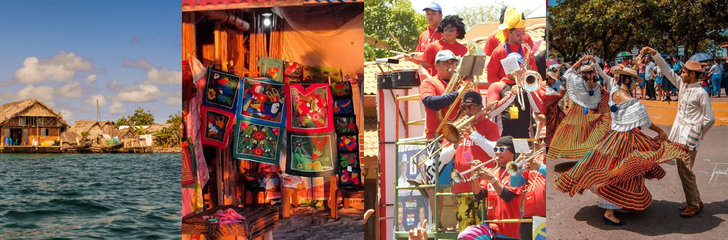
Pollera: The pollera is Panama's national dress and is often worn during folkloric dances and special occasions. It is a vibrant, multilayered skirt paired with a matching blouse, often adorned with intricate embroidery.
Montuno: The montuno is traditional men's attire, typically worn during folk dances and celebrations. It consists of a button-down shirt, often with colorful embroidery, paired with trousers and a straw hat.
Mola: While not clothing per se, the mola is a traditional textile art form created by the Guna indigenous women. These intricately stitched panels depict geometric and abstract designs and are often incorporated into blouses or worn as standalone pieces.
Nagua: The nagua is a traditional garment worn by indigenous women of the Ember� and Wounaan communities. It is a brightly colored, handwoven skirt made from natural fibers.
Diablo Sucio Costume: The Diablo Sucio (Dirty Devil) is a traditional festival costume worn during celebrations in towns like La Villa de Los Santos. The costume is colorful and features a mask, cape, and rattles.
Traditional Cuisine:
Panamanian cuisine is a flavorful mix of indigenous, Spanish, African, and Caribbean influences. Here are some staple dishes:
Sancocho:A hearty chicken soup with vegetables and herbs, often considered Panama's national dish.
Arroz con Pollo: A rice and chicken dish cooked with vegetables, saffron, and other spices.
Ceviche: A popular seafood dish featuring raw fish or seafood marinated in lime juice, cilantro, onions, and peppers.
Patacones: Fried green plantains, often served as a side dish or snack.
Tamales: Tamale preparation varies, but it typically involves seasoned meat encased in maize dough and wrapped in plantain leaves before being steamed.
Hojaldras: Fried dough often served at breakfast, usually accompanied by cheese or eggs.
Ropa Vieja: Shredded beef cooked in a savory tomato-based sauce, served with rice.
Bollos: Boiled or steamed corn dough, often with a filling, wrapped in a banana leaf.
Art and Architecture
Art in Panama:
Molas: Created by the Guna indigenous women, molas are intricate fabric panels made using a reverse-appliqu� technique. They often depict geometric designs, animals, and scenes from daily life.
Tagua Carvings: Artisans carve intricate sculptures and jewelry from tagua nuts, also known as vegetable ivory. The carvings often depict animals, plants, and traditional symbols.
Na�ve Art: Panama has a tradition of na�ve or folk art, characterized by vibrant colors and simple, bold shapes. Artists often depict rural life, festivals, and folklore.
Contemporary Art: In urban centers like Panama City, there is a growing contemporary art scene. Galleries and cultural spaces showcase works by Panamanian artists, addressing modern themes and global influences.
Architecture in Panama:
Casco Antiguo (Casco Viejo): Located in Panama City, Casco Antiguo is a UNESCO World Heritage Site with well-preserved Spanish colonial architecture. The area features colorful buildings, cobblestone streets, and historic landmarks.
Panama Canal Architecture: The Panama Canal is an engineering marvel, and its locks and control buildings showcase a blend of functionality and architectural design.
Indigenous Architecture: Indigenous communities in Panama have traditional dwellings adapted to their environments. Ember� and Wounaan communities, for example, construct round huts with thatched roofs made from local materials.
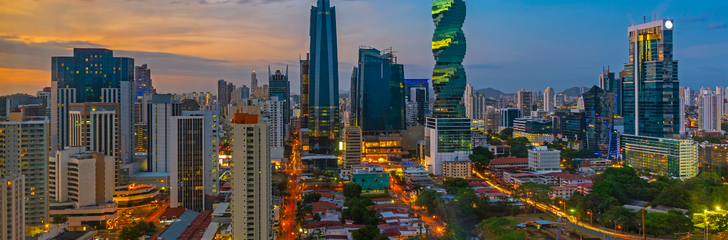
Contemporary Skyscrapers: In modern Panama City, especially in the financial district, contemporary architecture dominates the skyline. High-rise buildings reflect the city's economic growth and international influence.
Churches and Cathedrals: Panama has several colonial-era churches and cathedrals, such as the Metropolitan Cathedral in Panama City and the Church of San Jose in Casco Antiguo, showcasing Spanish colonial architecture.
Biomuseo: Designed by renowned architect Frank Gehry, the Biomuseo in Panama City is a striking example of contemporary architecture. The museum focuses on Panama's biodiversity and environmental impact.
Music and Dance
Music in Panama:
Cumbia: Cumbia is a popular genre that originated in Colombia but has become a significant part of Panama's music scene. Panamanian cumbia often incorporates traditional rhythms and instruments.
Tamborito: Tamborito is a traditional Panamanian dance music genre. It involves a small drum called "tambor," and dancers often accompany the music with intricate footwork and colorful costumes.
Reggae and Dancehall: Due to the influence of the Afro-Caribbean population, reggae and dancehall music have a strong presence in Panama, particularly in areas like Bocas del Toro.
Tipico: Tipico is a genre that blends African, European, and indigenous influences. It features accordion, drum, and violin, creating lively and energetic music often associated with traditional celebrations and festivals.
Salsa and Merengue: Popular in social gatherings and dance clubs, salsa and merengue have a significant following in Panama. These genres are enjoyed both for listening and dancing.
Dance in Panama:
Pollera Dance: The pollera, Panama's national dress, is often showcased in traditional dances. Performers, adorned in colorful polleras, execute elegant and graceful dance movements, reflecting cultural pride.
Cumbia Dance: Cumbia music is often accompanied by a lively dance. Dancers use rhythmic footwork and expressive arm movements to convey the spirit of the music.
Tamborito Dance: Tamborito dances are dynamic and often include intricate footwork, hand clapping, and vibrant costumes. These dances are integral to traditional celebrations and festivals.
Better Known as "Mejorana": Better Known as "Mejorana" is a traditional dance and music form that originated in the Azuero Peninsula. It involves couples dancing to the rhythm of the mejoranera, a guitar-like instrument.
Diablo Sucio Dance: During festivals, particularly in La Villa de Los Santos, the Diablo Sucio dance is performed. Dancers wear elaborate devil costumes and masks, creating a visually striking and culturally significant performance.
Panamanian Reggae Dance: In areas influenced by Afro-Caribbean culture, reggae and dancehall music inspire vibrant dance styles, often characterized by rhythmic hip movements and expressive footwork.
UNESCO World Heritage Sites
Archaeological Site of Panam� Viejo and Historic District of Panam�:
This site encompasses the ruins of Panam� Viejo, the original Panama City, founded in 1519. It includes the Cathedral, Convent of the Society of Jesus, and other historic structures. The historic district of Panam�, known as Casco Antiguo or Casco Viejo, represents the relocated city, built after the original was sacked in 1671. The area features well-preserved Spanish colonial architecture and was inscribed as a UNESCO World Heritage Site in 1997.
Language and Communication
Official Language
The official language of Panama is Spanish. Spanish is the primary language spoken by the majority of the population and is used in government, education, media, and everyday communication. Additionally, many Panamanians are bilingual, and indigenous languages, such as Guna, Ng�bere, Bugl�, Ember�, and Wounaan, are also spoken by various communities throughout the country. However, Spanish remains the dominant and official language at the national level.
Regional Languages
Guna (or Kuna): Spoken primarily by the Guna people, who inhabit the Guna Yala (formerly known as the Comarca de San Blas) region along the Caribbean coast and islands.
Ng�bere: Spoken by the Ng�be people, who reside in the western part of Panama, particularly in the Ng�be-Bugl� Comarca.
Bugl�: Also known as Bokota, this language is spoken by the Bugl� people, who live in the Ng�be-Bugl� Comarca in western Panama.
Ember� (or Ember�-Baud�): Spoken by the Ember� people, particularly in the Darien Province and the eastern part of Panama.
Wounaan (or Woun Meu): Spoken by the Wounaan people, who inhabit the Darien Province and other areas in eastern Panama.
English Proficiency
English proficiency levels in Panama can vary among different segments of the population. Generally, urban areas, especially Panama City, may have a higher level of English proficiency compared to rural areas. Here are some factors influencing English proficiency:
Education: English is taught in schools, and many Panamanians receive English instruction as part of their education. However, the effectiveness of English language programs can vary.
Urban vs. Rural Divide: Urban centers, where there is more exposure to international influences, tourism, and business, tend to have a higher level of English proficiency. In contrast, rural areas may have lower proficiency levels.
Tourism and Business: Regions with significant tourism and business activities may have a higher demand for English proficiency, leading to increased language skills among the population.
International Exposure: Individuals who have lived, studied, or worked abroad may have a higher level of English proficiency compared to those with limited international exposure.
Communication Style
Formality and Informality in Communication:
In Panama, the level of formality in communication can vary depending on the context, the relationship between individuals, and the setting. In business and official settings, a degree of formality is typically observed. Titles and last names are commonly used in professional interactions, and a polite tone is expected. In more informal or social situations, especially among friends and family, communication tends to be more relaxed, and the use of first names is common.
Non-verbal Communication Cues and Conventions:
Body Language: Body language plays a significant role in communication. Maintaining eye contact is generally seen as a sign of attentiveness and respect. Gestures are often used to complement verbal communication.
Personal Space: Personal space preferences may vary, but in general, maintaining an arm's length of personal space is customary. In crowded urban areas, people might be more accustomed to closer proximity.
Facial Expressions: Facial expressions are important indicators of emotions and reactions. Smiling is often used as a friendly gesture, and frowning or stern expressions may convey displeasure.
Handshakes and Greetings: Handshakes are a common form of greeting, and they may vary in firmness. In more informal settings or among close acquaintances, a hug or a kiss on the cheek may be exchanged.
Time and Punctuality: While punctuality is generally valued in business and formal settings, social events may have a more relaxed approach to time. It's not uncommon for social gatherings to start a bit later than the designated time.
Silence: Silence may be interpreted differently depending on the context. In some situations, it can be a sign of attentiveness or contemplation, while in others, it may indicate discomfort or disagreement.