
Fun and Leisure
Top Places to Visit | Activities and Festivals | Seasonal Highlights | Sports | Culinary Experience | Shopping and Souvenirs
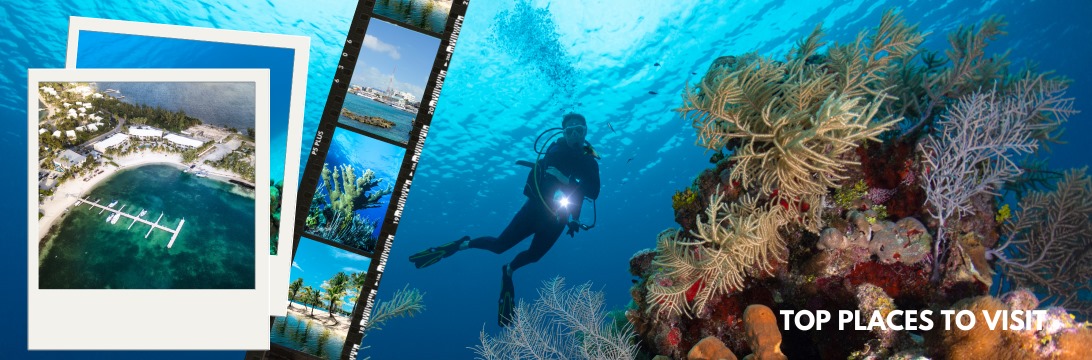
Top Places to Visit
Historical Landmarks
Overview of significant historical landmarks and their importance.
The Cayman Islands, while often recognized for its stunning beaches, also has a rich history reflected in its landmarks.
Pedro St. James Castle: Often referred to as the �Birthplace of Democracy� in the Cayman Islands, this restored three-story building offers a glimpse into the life of an early 19th-century Caymanian. It played a pivotal role in the country�s political evolution.
Old Homestead: A prime example of Caymanian architecture, this traditional home, over 100 years old, showcases the design and construction methods of a bygone era.
Location, accessibility, and visitor guidelines for each landmark.
Both mentioned landmarks are located on Grand Cayman. Pedro St. James is situated in Savannah, easily accessible by road. The Old Homestead can be found in North Side. They are open to visitors throughout the year, with small entrance fees, guided tours, and specific visiting hours.
For a more immersive experience, visiting the official Pedro St. James website is recommended.
Natural Attractions
Description of renowned natural attractions and landscapes.
Stingray City: A series of shallow sandbars in Grand Cayman, where visitors can interact with and feed southern stingrays.
Hell: Located in West Bay, this attraction is an expanse of short, black limestone formations, which folklore says resembled what early settlers thought Hell might look like.
Cayman Crystal Caves: In the district of North Side, these are a series of spectacular caves with stalactite and stalagmite crystal structures.
Information on biodiversity, ecosystems, and conservation efforts.
The Cayman Islands host a variety of ecosystems, from its coral reefs teeming with marine life to its mangrove forests. Conservation is a significant concern, with efforts to protect native species like the Blue Iguana and sea turtles. The Queen Elizabeth II Botanic Park, for example, plays a crucial role in preserving native flora and educating visitors.
More on conservation efforts can be found at The National Trust for the Cayman Islands.
Museums and Cultural Centers
Insight into notable museums, galleries, and cultural centers.
Cayman Islands National Museum: Located in George Town, this museum offers insights into the islands' natural and cultural history.
National Gallery of the Cayman Islands: Showcasing local artists, this gallery provides a deep dive into the islands' contemporary art scene.
Types of exhibits, collections, and cultural representations.
The National Museum houses exhibits ranging from maritime history to natural wonders, while the National Gallery primarily showcases rotating contemporary art exhibits, often reflecting the cultural and social nuances of the islands.
Details on exhibits can be found at the Cayman Islands National Museum and National Gallery websites.
Activities and Festivals
Traditional Festivals
Overview of traditional festivals and their historical significance.
Pirates Week: A unique 11-day festival celebrating pirate folklore and Caymanian heritage through music, dance, and themed events.
Batabano: A vibrant carnival event, deeply rooted in the island's traditions, featuring colorful costumes, parades, and calypso music.
Timing, locations, and customs associated with each festival.
Pirates Week usually takes place in November, with events spread across all three islands. Batabano is typically held in May on Grand Cayman. These festivals are deeply ingrained in local culture, often with residents and tourists participating enthusiastically.
For event schedules, Pirates Week official website and Batabano's site can be consulted.
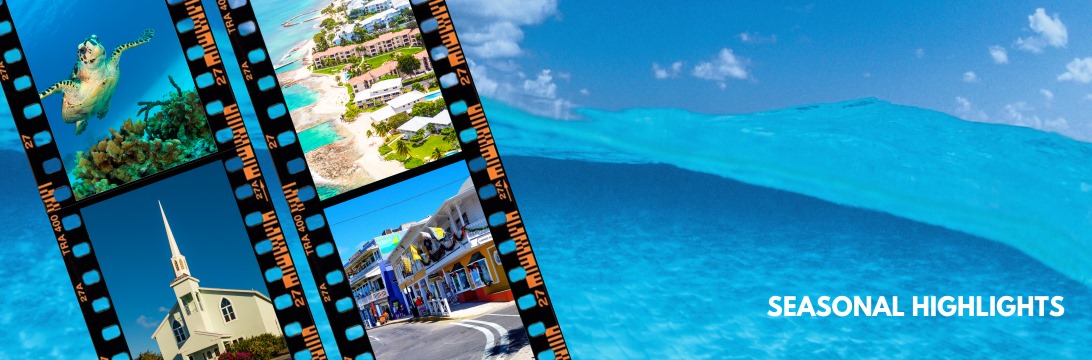
Seasonal Highlights
Seasonal Events and Celebrations
The Cayman Islands enjoy tropical marine climate, with distinct wet (May to October) and dry (November to April) seasons. Events like the Cayman Cookout in January or the Flowers Sea Swim in June align with these seasons, providing diverse activities throughout the year.
Weather and Climate
While the dry season is sunnier and sees a surge in tourism, the wet season has its own charm, with fewer crowds and lush landscapes. However, it's crucial to monitor tropical storm and hurricane advisories during the wet season.

Sports
Popular Sports and Events
Overview of popular sports in the Cayman Islands and notable sporting events.
Sports play a vital role in the Caymanian culture, both as recreational activities and professional pursuits. Given its Caribbean location, it's no surprise that water sports, in particular, are a dominant force.
Football (Soccer): This is perhaps the most popular sport on the islands. The Cayman Islands Football Association oversees the sport, with numerous leagues and youth programs.
Cricket: A vestige of British colonial influence, cricket is a beloved sport in the Cayman Islands. Matches are often held at the Smith Road Oval in George Town.
Water Sports: Scuba diving, snorkeling, and sailing are highly popular due to the islands' clear waters and vibrant marine life. The annual "Flowers One Mile Sea Swim" is one of the most significant events, attracting swimmers globally.
Athletics: Track and field events are gaining traction, especially among the youth.
Information on how to participate or attend sports events and matches.
Tickets for most sporting events can be bought on-site, but for larger events, purchasing in advance is recommended. The Cayman Islands Football Association website and the Cayman Islands Cricket Association are good resources for schedules and ticketing. For water sports events or participation, numerous operators and clubs offer services, especially in tourist-heavy areas.
Outdoor and Adventure Sports
Description of available outdoor and adventure sports and their locations.
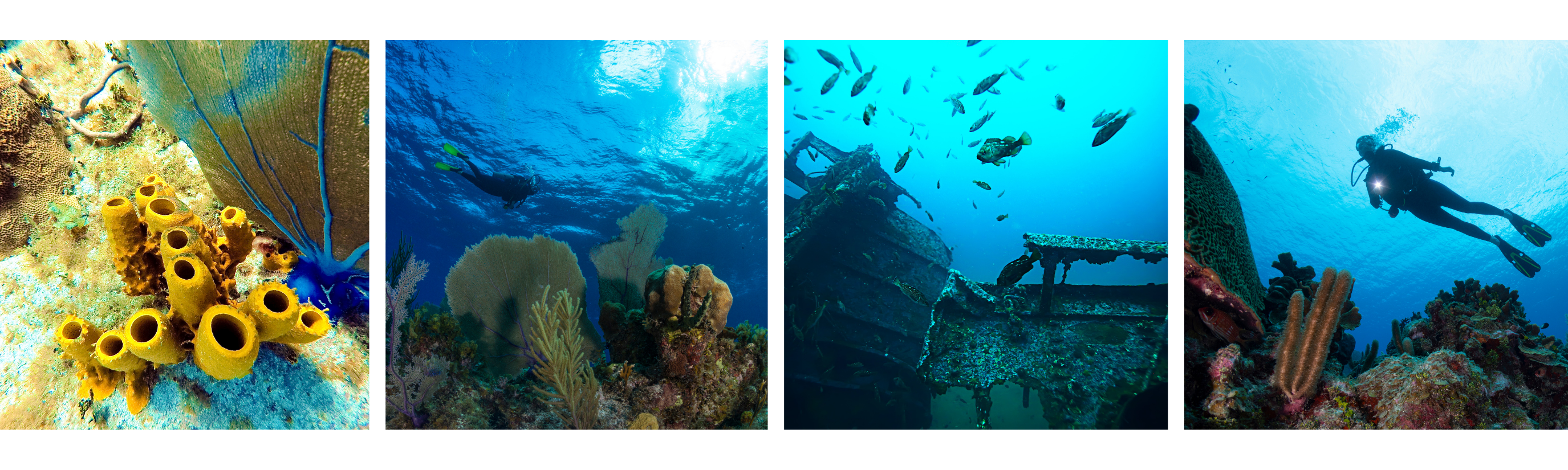
Scuba Diving & Snorkeling: The Cayman Islands offer some of the best diving sites in the world, like the Kittiwake Shipwreck & Artificial Reef in Grand Cayman or Bloody Bay Wall in Little Cayman.
Sailing: The waters around the Cayman Islands are ideal for sailing. The annual Cayman Islands Sailing Club hosts the "Cayman Islands Dinghy Championships."
Hiking: The Mastic Trail on Grand Cayman is a popular choice for nature enthusiasts, offering a glimpse into the island's unique flora and fauna.
Fishing: Deep-sea fishing is a favored activity, with opportunities to catch marlin, tuna, wahoo, and mahi-mahi. Charter services are available, offering both half-day and full-day trips.
Kayaking & Paddleboarding: The calm waters of the islands, especially around Seven Mile Beach and Rum Point, are suitable for these activities. Mangrove kayaking, in particular, provides a unique opportunity to explore the intricate marine ecosystems.
Caving: The Cayman Crystal Caves on Grand Cayman offer guided tours through the island's mesmerizing underground world.
Guidelines on participating, equipment needed, and safety precautions.
For most water sports, it's crucial to ensure that equipment is in good condition. It's advisable to rent gear from reputable operators or to participate in guided tours, especially for activities like scuba diving and caving.
Scuba Diving: Certification is necessary for diving, and beginners should opt for introductory courses. Always be aware of your limits and never dive alone.
Sailing: Familiarity with local weather conditions and sea currents is vital. Those new to sailing should consider renting a vessel with a crew or joining group tours.
Hiking: Wear appropriate footwear, stay hydrated, and always let someone know your route and expected return time.
Fishing: Acquiring a local fishing license is essential for those looking to fish, especially in protected areas. Most charter companies include licensing in their packages.
For detailed information on specific activities and to ensure adherence to safety guidelines, consulting local operators or visiting the official Cayman Islands Tourism website can be beneficial.
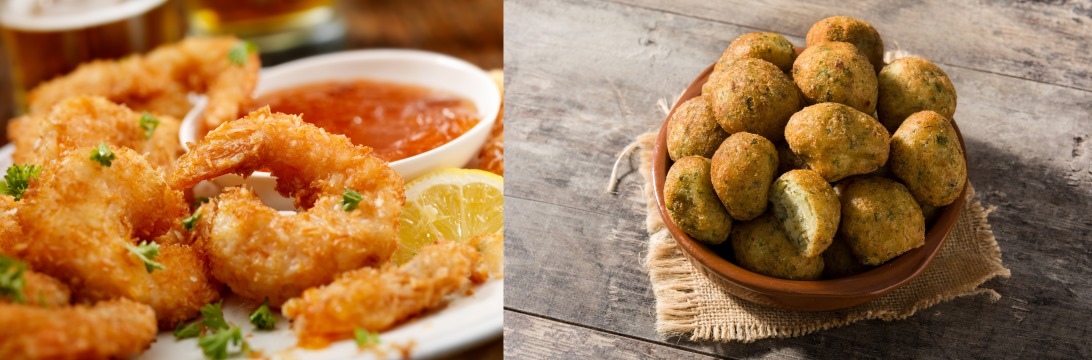
Culinary Experience
Cuisine
Overview of traditional cuisine, including regional specialties.
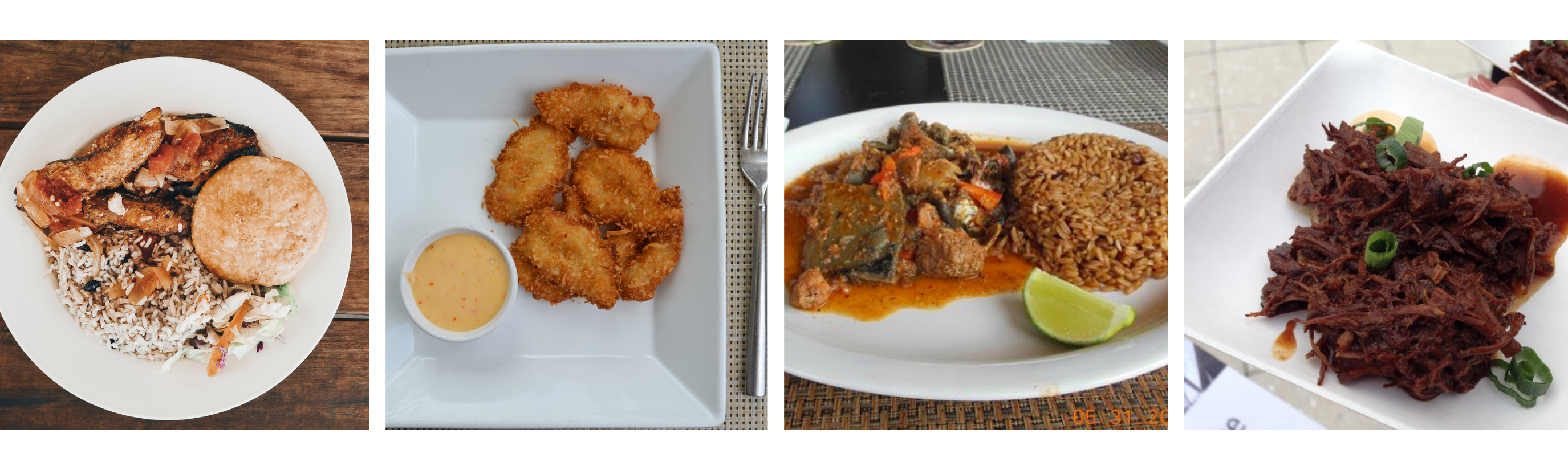
The culinary landscape of the Cayman Islands is a delightful amalgamation of its Caribbean surroundings, British influences, and a touch of international flair due to its expatriate population.
Seafood: Given its location, seafood dominates the culinary scene. Conch, mahi-mahi, wahoo, and snapper are just some of the fresh catches you can expect. Turtle meat, once a staple, is now more of a delicacy due to conservation efforts.
Cayman-style dishes: These are meals prepared with a tomato base, cooked with peppers, onions, and allspice. Dishes like Cayman-style beef or fish are local favorites.
Starchy Sides: Cassava, plantains, yams, and breadfruit are often served as side dishes.
Heavy Cake: A traditional dessert, this dense treat is made with cassava or yams and is a must-try.
Recommendations for restaurants, eateries, and food experiences.
From upscale dining establishments to roadside jerk stands, the islands cater to every palate and preference.
Upscale Dining: Restaurants like Blue by Eric Ripert in the Ritz-Carlton offer gourmet experiences with a Caribbean touch.
Local Flavors: For authentic Caymanian dishes, places like Fry Fish Food Fair or Heritage Kitchen are recommended.
Beachside Eateries: Establishments like Kirk's Corner or Macabuca provide delectable dishes with picturesque sea views.
A visit to Cayman Good Taste offers comprehensive dining guides and recommendations.
Shopping and Souvenirs
Shopping Destinations
Overview of major shopping destinations and what they offer.
George Town: As the capital of the Cayman Islands, George Town is a primary shopping hub. The town is teeming with duty-free shops, offering luxury brands, jewelry, and watches.
Camana Bay: A modern waterfront town in Grand Cayman, Camana Bay offers a blend of high-end boutiques, local artisan shops, and diverse dining experiences. Its architectural design emphasizes pedestrian-friendly streets, making it perfect for a leisurely shopping day.
Cayman Craft Market: Located in George Town, this is the go-to place for authentic Caymanian crafts and souvenirs. Local artisans sell handmade items, ranging from wood carvings to woven hats.
Recommendations for local markets, boutiques, and malls.
Pure Art Gallery & Gifts: Located just south of George Town, this boutique offers art pieces, crafts, and jewelry by local artists.
Island Plaza: A duty-free shopping center in George Town, known for its extensive collection of jewelry and watches.
Stringray City Souvenirs & Gifts: Near one of the island's top attractions, this shop provides a range of mementos from the iconic Stingray City experience.
For a comprehensive shopping directory, you might want to check out the Cayman Islands' official shopping guide.
Local Crafts and Souvenirs
Description of local crafts, artisan products, and unique souvenirs.
Caymanite: Exclusive to the Cayman Islands, Caymanite is a semi-precious stone with layers of earth-tone colors, often used in jewelry and decorative items.
Rum Cake: A popular Caribbean treat, Cayman Tortuga Rum Cakes are famous and make for a delightful souvenir or gift.
Handmade Crafts: Local artisans often craft intricate items like woven thatch products, wood carvings, and paintings that represent the island's culture.
Black Coral: Once popular, buying black coral products is discouraged due to environmental concerns. If you still wish to purchase, ensure it's from sustainable sources.
Recommendations on where to buy authentic and quality products.
Guy Harvey Gallery and Shoppe: Located in George Town, this shop offers art pieces, clothing, and unique island-inspired souvenirs crafted by the famous marine artist, Guy Harvey.
Miss Lassie's House: An authentic Caymanian experience, this historic home showcases local crafts, paintings, and more.
Hammerhead's Brew Pub and Grill: While primarily a bar, it also sells Cayman Islands brewed beers, which can be an off-beat and unique souvenir.
For authentic Caymanite jewelry, stores like Caymanite Heaven in George Town are recommended.