
About Cayman Islands
About
Work and Business
Living
Fun and Leisure
Residency and Citizenship
Investing
Services
Overview | Climate and Geography | Demographics | Culture and Heritage | Language and Communication
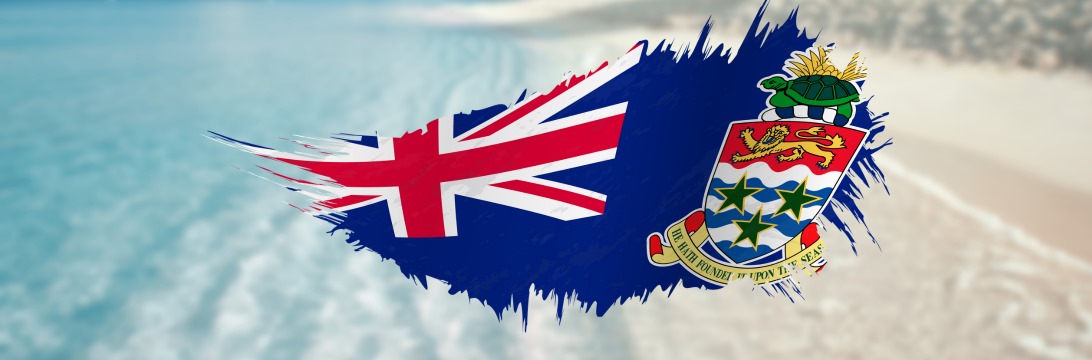
Overview
Brief History
Formation and early history
The Cayman Islands, situated in the Caribbean Sea, are composed of three main islands: Grand Cayman, Cayman Brac, and Little Cayman. The islands were discovered by Christopher Columbus during his fourth voyage in 1503. He named them "Las Tortugas" because of the vast number of sea turtles in the area. Over time, the islands were frequented by pirates, ship-wrecked sailors, and even turtle fishermen.
The Caymans were initially governed as a dependency of Jamaica. In the mid-17th century, the first settlers, mainly from Jamaica and England, arrived, starting the islands' inhabited history. The Treaty of Madrid in 1670 placed the islands under British control, a status which has remained unchanged.
Recent history (20th and 21st century)
In 1962, when Jamaica gained independence, the Cayman Islands chose to remain a British Overseas Territory. The 20th century saw rapid development for the islands, particularly in banking and tourism. In the late 20th and early 21st centuries, the Cayman Islands became one of the world's most significant offshore financial centers, thanks to their sophisticated infrastructure, tax-neutral environment, and stringent confidentiality laws.
Current government and political climate
The Cayman Islands is a parliamentary democracy under a constitutional monarchy with the British monarch as the current head of state. The Governor represents the monarch, while the Premier heads the government. The Legislative Assembly is composed of 19 members, which includes the Premier, ministers, and elected members from various districts.
Relationship with the European Union
Although the Cayman Islands are a British Overseas Territory, they are not part of the European Union. The relationship is largely defined by trade agreements, but the islands have no obligation to EU laws or governance.
Overview of the economy and economic sectors
The Cayman Islands boasts a strong economy, primarily driven by tourism and financial services. These sectors together represent about 50-60% of the total GDP. The financial sector, particularly banking and hedge fund formation, is the major pillar. The islands are home to many banks, insurance companies, and mutual funds.
Currency and economic stability
The official currency is the Cayman Islands dollar (KYD). The islands have a robust economy, and their currency is one of the strongest in the Caribbean, often valued higher than the U.S. dollar.
Overview of the education system
The education system in the Cayman Islands is primarily based on the British model. Education is compulsory for children ages 5 to 17. The islands have numerous public and private schools, ensuring high literacy rates.
Healthcare system and facilities
Healthcare in the Cayman Islands is of a high standard. The islands have modern hospitals and clinics. Both public and private healthcare options are available, with the Health Services Authority being the main public healthcare provider.

Climate and Geography
Geography
Regions and their characteristics
The Cayman Islands are composed of three main islands:
Grand Cayman: The largest of the three, it's the economic heartbeat of the islands, hosting the capital city of George Town. It's known for its vibrant coral reefs and the famous Seven Mile Beach.
Cayman Brac: This island is characterized by its limestone outcrop, the Bluff, which rises dramatically from the sea and culminates in a 140-foot-high cliff at the eastern tip.
Little Cayman: The smallest and least developed, it's a haven for divers and naturalists, with pristine beaches and a significant bird population, including the red-footed booby.
Climate variations by region
The Cayman Islands enjoy a tropical marine climate, with a warm and wet season from May to October and a cooler, drier season from November to April. Due to their relatively flat terrain, there isn't much climate variation between the regions. However, Grand Cayman tends to get more rainfall than the smaller islands.
Best times to visit
The best time to visit is during the drier season from November to April. This period aligns with the tourist season, offering warm and sunny weather, making it ideal for outdoor activities and beach visits.

Demographics
Population
Population size and density
As of the last census, the Cayman Islands had a population of approximately 65,000. Grand Cayman has the highest density, with most residents living in and around George Town.
Age distribution
The population has a balanced age distribution, with a significant portion being expatriates. About a quarter of the population is under 20, with a similar percentage being over 60.
Predominant ethnic groups
The majority are of Afro-Caribbean descent. However, due to a strong expatriate presence, there's a mix of British, American, Canadian, and other nationalities.
Minority communities
Apart from Afro-Caribbean, there are communities of Caucasian, South Asian (mainly Indian), and Filipino descent, among others.
Predominant religions and their influence on culture
Christianity is the dominant religion, with a significant number of Baptists, Presbyterians, and Roman Catholics. The churches play a prominent role in community activities and national events.
Religious freedom and tolerance
The Cayman Islands uphold the principle of religious freedom, and various denominations and faiths coexist peacefully.

Culture and Heritage
Traditional Customs
Festivals and holidays
The Cayman Islands have a rich tradition of festivals and holidays.
Cayman Carnival Batabano: Held in May, this vibrant event celebrates Cayman culture with music, dance, and colorful costumes. Batabano Official Website
Pirates Week: A unique 11-day celebration in November, including music, street dances, competitions, games, and a mock pirate invasion. Pirates Week Festival
Cayman Cookout: A culinary event which attracts renowned chefs from around the world. Cayman Cookout

Art and Architecture
Influential artists and architects
Artists like Bendel Hydes and Charles Long have international acclaim. The architecture of Cayman Islands is a mix of traditional Caymanian styles with modern influences. Historic homes made of wattle and daub showcase the islands' heritage.
Notable art movements and architectural styles
Caymanian art often draws from its natural beauty, marine life, and rich history. The National Gallery of the Cayman Islands is a hub for contemporary and traditional art. National Gallery
Traditional music and dance forms
Calypso, reggae, and soca are popular music genres. Traditional dances include the Quadrille and Maypole.
Contemporary music scene
The Cayman Islands have a thriving contemporary music scene, hosting numerous music festivals throughout the year.
Description of major heritage sites
While the Cayman Islands don't have designated UNESCO World Heritage Sites, they have multiple protected areas, such as the Mastic Reserve and the Queen Elizabeth II Botanic Park, showcasing endemic species and lush landscapes.
Importance to culture and heritage
These sites play a crucial role in preserving the islands' natural heritage and promoting sustainable tourism.

Language and Communication
Official Language
Predominance of English
English is the official and most widely spoken language of the Cayman Islands. It's used in all official capacities, including government, education, and business. The version of English spoken has been influenced over time by various cultures, leading to the unique Caymanian Creole.
Regional languages
While English is predominant, you might occasionally hear Spanish due to the proximity of the Cayman Islands to Spanish-speaking countries. Additionally, given the mix of nationalities, languages like Tagalog (from the Filipino community) might also be heard.
English Proficiency
Level of English proficiency among the population
The majority of the population is fluent in English, both in its standard and Creole forms. Education is primarily in English, ensuring a high level of proficiency across the islands.
English as a medium of instruction in schools
All formal education in the Cayman Islands is delivered in English. This includes public and private schools, as well as higher education institutions.
Formality and informality in communication
Caymanians are known for their warmth and friendliness. While formal communication is essential in business and official settings, in everyday life, interactions are often informal and hospitable.
Non-verbal communication cues and conventions
Non-verbal communication is significant in the Cayman Islands, as with many cultures. Direct eye contact is a sign of respect and attentiveness. However, it's essential to approach with a level of sensitivity, as overly aggressive or prolonged eye contact can be considered rude or confrontational.
Economy Overview | Remote Work Conditions | Local Business Environment | Legal and Regulatory Environment | Transport and Infrastructure

Economy Overview
Economic Landscape
Overview of the economy, focusing on its stability and growth.
The Cayman Islands, often dubbed the "Switzerland of the Caribbean", are renowned for their robust economic infrastructure. The islands possess no direct taxation, making them a highly attractive jurisdiction for international business and investment. The GDP has seen consistent growth over the past decade, underpinned by its core sectors: finance and tourism.
The financial sector, especially, has evolved into one of the world's leading offshore financial centers, housing over 100,000 companies, including many of the world's top banks, insurers, and hedge funds. Regulations, transparency, and the islands' commitment to global standards have reinforced its economic stability.
Key industries and sectors and their contribution to the GDP.
Two main industries drive the Cayman Islands' economy: financial services and tourism.
Financial Services: Accounting for approximately 40% of the GDP, this sector includes banking, insurance, mutual funds, and trusts. The Cayman Islands is the fifth-largest banking center globally, with assets worth over $1.5 trillion.
Tourism: Being a favorite destination in the Caribbean, tourism contributes significantly to the islands' GDP, with over 2 million tourists visiting annually. The crystal-clear waters, coral reefs, and luxury resorts make it a hotspot for vacationers.
Overview of the job market, including demand in different sectors.
The job market in the Cayman Islands is vibrant, with financial services offering numerous employment opportunities, from banking to hedge fund management. The tourism sector also presents a myriad of jobs, from hospitality roles in hotels and restaurants to roles in travel agencies and tour operations.
Unemployment rate and workforce demographics.
The unemployment rate in the Cayman Islands has traditionally been low, hovering around 3% in recent years. The workforce is a mix of locals and expatriates, with many professionals coming from countries like the UK, Canada, the US, and Jamaica.
Investment opportunities and trends.
Given its tax-neutral environment, the Cayman Islands attract a significant amount of foreign investment. Real estate has seen growing interest from international investors, thanks to the lack of property taxes and the potential for rental income from the thriving tourism sector.
Moreover, the government's proactive stance on attracting FDI, especially in tech and sustainable projects, presents burgeoning opportunities.
Government incentives for foreign investors.
The government provides various incentives for foreign investors, including:
No capital gains tax.
No VAT or sales tax.
Streamlined business registration processes.

Remote Work Culture
Prevalence of remote work in the Cayman Islands.
With the rise of digital nomadism and the changes brought about by global events like the COVID-19 pandemic, remote work has gained traction in the Cayman Islands. The government introduced the Global Citizen Concierge Program, allowing professionals to work remotely from the islands for up to 24 months.
Attitudes towards remote work from employers and the workforce.
Both employers and the workforce have shown adaptability and openness to the remote work culture. With the infrastructure in place, many businesses offer hybrid work models, combining office and remote work.
Expectations and norms around work hours and productivity.
While the Cayman Islands' work culture emphasizes productivity, there's a balanced approach to work-life integration. Standard work hours mirror the usual 9 am to 5 pm, but there's flexibility, especially for remote workers.
Support and infrastructure available for remote workers.
The islands have seen a rise in co-working spaces catering to remote workers and entrepreneurs. These spaces offer high-speed internet, conference rooms, and networking opportunities. Regus Cayman Islands
Internet connectivity and reliability across different regions.
The Cayman Islands boasts high-speed internet, with connectivity being reliable across all major regions. This robust infrastructure supports the burgeoning tech industry and remote work culture.
Availability of co-working spaces and their facilities.
Co-working spaces, particularly in Grand Cayman, offer a range of facilities. These include private workstations, meeting rooms, high-speed internet, and communal areas. Some popular spaces are Regus and Cayman Tech City.

Local Business Environment
Starting a Business
Procedures and requirements for starting a business.
Setting up a business in the Cayman Islands is a streamlined process, especially designed to attract foreign investment. A few steps involved are:
Company Registration: Registering the company with the Cayman Islands General Registry. The types of business entities commonly set up include Sole Proprietorships, Partnerships, and Limited Companies.
Trade and Business License: Obtaining a license from the Department of Commerce and Investment. The requirements can vary based on the business type and sector.
Work Permit: Non-Caymanians need to secure work permits to legally work. Depending on the business type, this might also involve obtaining additional licenses, such as a liquor license for a restaurant or bar.
Costs associated with starting a business, including taxes and fees.
The costs can vary based on the type and size of the business. Here's a rough breakdown:
Company Registration Fee: Depending on the company type, this can range from CI$50 to CI$1,000 or more.
Trade and Business License Fee: Varies based on business type. For instance, a small retail store might be charged around CI$500, while a bank could be levied CI$10,000 or more.
Other Licenses: These costs depend on specific needs. For example, a liquor license might cost around CI$1,000.

Overview of business etiquette and cultural norms.
Caymanian business culture is a blend of British professionalism with Caribbean warmth. Face-to-face meetings are valued, and punctuality is seen as a sign of respect. While the atmosphere is generally relaxed, business attire remains relatively formal, especially in sectors like finance and law. Building personal relationships is key to successful business dealings.
Language and communication style in a professional setting.
English is the standard language for business communication. The style is direct, yet polite. While negotiations can be straightforward, it's essential to approach them with a sense of mutual respect and understanding. Positive non-verbal cues, like maintaining eye contact and offering a firm handshake, are appreciated.
Availability of business networking events and groups.
Several organizations and chambers offer networking events, seminars, and workshops. These events provide opportunities to meet local business leaders, entrepreneurs, and other professionals. The Cayman Islands Chamber of Commerce is a prominent entity organizing such events. There are also industry-specific associations, like the Cayman Islands Tourism Association, which hold networking events for their sectors.
For more networking opportunities, check out: Cayman Islands Chamber of Commerce
Prominent industry conferences and trade shows.
The Cayman Islands host several industry conferences annually. Notable ones include the Cayman Islands Healthcare Conference, Cayman Alternative Investment Summit, and Cayman Captive Forum, which attract global experts, thought leaders, and business professionals.

Legal and Regulatory Environment
Business Laws and Regulations
Overview of laws governing business operations.
The Cayman Islands' legal system is based on English common law. Several laws and regulations pertain specifically to businesses, including the Companies Law, Partnership Law, and Trade and Business Licensing Law. These laws cover aspects like company formation, management, and dissolution.
Intellectual property rights and protections.
Intellectual Property (IP) is protected under various laws in the Cayman Islands, including the Copyright Law, Patents and Trademarks Law, and the Design Rights Registration Law. The government has taken steps to ensure compliance with international IP standards, providing protection for patents, trademarks, and copyrights.
For a detailed understanding of IP in the Cayman Islands: Cayman Islands Intellectual Property Office
Overview of labor laws, including contracts, wages, and working hours.
The Labour Law covers employment aspects, ensuring the rights and welfare of employees. It addresses matters like working hours (typically 45 hours per week), overtime pay, public holidays, annual leave (a minimum of two weeks), and termination rights.
Employee rights and employer obligations.
Employees have rights to fair treatment, non-discrimination, and a safe working environment. Employers must provide written contracts, ensure proper work conditions, and follow regulations regarding hiring, compensation, and termination.
Overview of tax regulations for businesses.
One of the hallmarks of the Cayman business environment is its tax-neutral stance. There's no income tax, no corporate tax, no capital gains tax, and no VAT. However, businesses do have to pay annual licensing fees and may encounter import duties.
Corporate tax rates and incentives for businesses.
As mentioned, the Cayman Islands does not impose a direct corporate tax. The attractive tax environment is one of the main reasons many international corporations and financial entities establish a presence there.

Transport and Infrastructure
Public Transportation
Overview of public transport availability and reliability.
The Cayman Islands, especially Grand Cayman, have a modest public transportation system. Mini-buses operate on the main routes around Grand Cayman. They're recognized by their blue license plates and "Public Bus" signage. Typically, these buses run from early morning until late evening and offer an affordable way to get around.
The reliability of public transport is generally good, with buses running regularly during peak hours. However, the lack of a fixed schedule might sometimes lead to waiting periods.
Costs associated with using public transportation.
Fares for public buses vary based on distance but are relatively affordable. A short trip might cost around CI$1.50, while longer rides can go up to CI$5. Exact change is often preferred, and payment is made directly to the driver.
Airports and International Travel
Major international airports and airlines operating in the Cayman Islands.
The Cayman Islands have three airports: Owen Roberts International Airport (ORIA) in Grand Cayman, Charles Kirkconnell International Airport in Cayman Brac, and Little Cayman Airport in Little Cayman.
ORIA, being the primary international gateway, welcomes numerous airlines from North America, Central America, Europe, and other Caribbean islands. Major airlines include Cayman Airways, American Airlines, British Airways, Delta, and JetBlue.
For flight details and more: Owen Roberts International Airport Official Site
Connectivity with other countries and frequency of flights.
The Cayman Islands enjoy excellent connectivity, especially with the United States, Canada, and the UK. Major cities like Miami, New York, Toronto, and London have direct flights. The frequency increases during the tourist season, with daily or multiple flights from key locations.
Road and Rail Infrastructure
Quality of roads and availability of rail networks.
The road infrastructure in the Cayman Islands, especially in Grand Cayman, is well-developed and maintained. Major roads, like the Esterley Tibbetts Highway and Linford Pierson Highway, facilitate smooth intra-island transportation. While driving is on the left side, the roads are well-signposted, making navigation relatively easy.
The Cayman Islands do not have a rail network due to their small size and the adequacy of the road system.
Accessibility and connectivity between different regions.
Road networks connect all major regions of Grand Cayman, from West Bay to East End. The other islands, Cayman Brac and Little Cayman, are smaller but have adequate road infrastructure for their needs. Ferries and small aircraft primarily handle inter-island transportation.
Cost of Living | Healthcare and Facilities | Education System | Safety and Security | Utilities and Services | Social Integration and Communities

Cost of Living
Living Expenses
Average cost of housing, including renting and buying options in different regions.
Table: Average Monthly Rent and Property Prices in the Cayman Islands (in CI$)
| Region | 1-Bedroom Apartment Rent | Price per square meter (to buy) |
| George Town (Center) | CI$1,800 - CI$2,500 | CI$4,500 - CI$6,000 |
| West Bay | CI$1,500 - CI$2,200 | CI$4,200 - CI$5,800 |
| Bodden Town | CI$1,300 - CI$1,900 | CI$3,800 - CI$5,200 |
| East End | CI$1,100 - CI$1,600 | CI$3,500 - CI$4,800 |
Cost of essential services and goods, including groceries, dining, and entertainment.
Table: Average Prices for Goods and Services in the Cayman Islands (in CI$)
| Item/Service | Average Price |
| Meal at a Restaurant | CI$15 - CI$30 |
| Cappuccino | CI$4 |
| Milk (1 liter) | CI$2 |
| Bread (500g) | CI$2.5 |
| Movie ticket | CI$12 |

Income and Salaries
Average income levels across different sectors and regions.
Table: Average Monthly Salaries in the Cayman Islands by Profession (in CI$)
| Profession | Average Salary |
| Accountant | CI$4,000 |
| Engineer | CI$3,500 |
| Teacher | CI$2,800 |
| Restaurant Manager | CI$2,500 |
| Retail Salesperson | CI$1,800 |
Income disparity and economic inequality.
The Cayman Islands enjoy a high standard of living. However, like many regions, there's an income disparity, mostly seen between roles in the financial sector and service or manual labor roles. While the financial professionals might enjoy salaries on par with international standards, many service-oriented roles, especially those reliant on tourism, can see fluctuations based on seasons and global economic conditions.

Healthcare System
Overview of the healthcare system, including public and private sectors.
The Cayman Islands offers both public and private healthcare facilities. The Cayman Islands Health Services Authority (HSA) provides a significant portion of the healthcare needs, from general practice to surgeries.
Table: Key Healthcare Facilities in the Cayman Islands
| Facility Name | Type | Services Offered |
| George Town Hospital | Public | Full-service, emergency |
| Chrissie Tomlinson Hospital | Private | General, specialist consultations |
| Faith Hospital (Cayman Brac) | Public | General, emergency |
Availability and quality of medical services and facilities in different regions.
Most advanced medical facilities are situated in Grand Cayman, especially in and around George Town. Both public and private facilities provide a high standard of care. Cayman Brac and Little Cayman, due to their smaller populations, have more limited facilities but can handle general medical needs and emergencies.
Health insurance options, including state, private, and international providers.
Health insurance is mandatory in the Cayman Islands. Both local and international insurance providers operate, ensuring a range of options to fit various needs and budgets.
Table: Prominent Health Insurance Providers in the Cayman Islands
| Provider Name | Type | Coverage Options |
| CINICO | State-provided | Basic, premium |
| British Caymanian | Private | Comprehensive, travel, dental |
| Aetna | International | Global health, travel |
Costs associated with health insurance and medical services.
Costs can vary greatly based on the chosen provider and plan. State-provided insurance, like CINICO, might offer a basic plan for around CI$150 per month. Comprehensive plans from private insurers can range from CI$300 to CI$1,000 or more, depending on factors like age, health conditions, and the breadth of coverage.
Education System
Schooling
Structure of the education system, including levels and curriculum.
The Cayman Islands' education system closely mirrors the British structure. Here's a basic breakdown:
Table: Education System in the Cayman Islands
| Level | Age Range | Description |
| Early Childhood Care | 0-5 years | Nurseries and preschools |
| Primary Education | 5-11 years | Years 1 to 6, equivalent to UK Primary School |
| Secondary Education | 11-17 years | Years 7 to 12, including IGCSE examinations |
| Tertiary Education | 17+ years | Community college, university programs, etc. |
The curriculum during primary and secondary education is comprehensive, covering subjects like English, Mathematics, Science, and History. Students take their IGCSE examinations, which are equivalent to the UK's GCSEs, in Year 11.
Availability and quality of public and private schools, as well as international schools.
Both public and private schools operate in the Cayman Islands. The public schools, managed by the Ministry of Education, provide free education to Caymanian students. However, many expatriate families often choose private or international schools.
Table: Prominent Schools in the Cayman Islands
| School Name | Type | Curriculum/Notes |
| John Gray High School | Public | National Curriculum, IGCSE |
| Cayman Prep and High School | Private | British Curriculum, IGCSE, A-Levels |
| Cayman International School | International | US Curriculum, IB Program |
The quality of education is commendable across both public and private institutions. However, international schools, given their resources, can often offer a broader range of extracurricular activities and advanced facilities.
Higher Education
Overview of universities and colleges, including admission requirements.
The Cayman Islands' higher education landscape is still developing. While there aren't comprehensive universities akin to larger countries, there are institutions offering undergraduate, graduate, and professional courses.
Table: Higher Education Institutions in the Cayman Islands
| Institution Name | Courses/Fields Offered |
| University College of the Cayman Islands (UCCI) | Arts, Science, Business, Education |
| Cayman Islands Law School | LLB and PPC (Professional Practice Course) |
| International College of the Cayman Islands (ICCI) | Bachelor's and Master's programs |
Admission requirements typically include high school completion with satisfactory grades, especially in pertinent subjects. For some courses, especially at the postgraduate level, additional qualifications and professional experience might be required.
Costs associated with higher education, including tuition and living expenses.
Tuition fees can vary based on the course and institution. For instance, an undergraduate course at UCCI might range from CI$6,000 to CI$8,000 annually. International students might incur higher fees. Living expenses, including accommodation, transport, and food, can range between CI$1,500 to CI$2,500 per month, depending on lifestyle and housing choices.

Safety and Security
Crime Rate
Overview of crime rates in different regions and cities.
The Cayman Islands is known for its relatively low crime rate, especially when compared to many other regions globally. Like many places, the type and frequency of crime can vary based on the region.
Table: Crime Statistics in Key Regions of the Cayman Islands (per 10,000 residents)
| Region | Petty Theft | Burglary | Violent Crime | Vandalism |
| George Town | 15 | 8 | 2 | 10 |
| West Bay | 14 | 7 | 1 | 9 |
| Bodden Town | 10 | 5 | 1 | 6 |
| East End | 8 | 3 | 0 | 4 |
Prevalence of different types of crimes, including petty and serious crimes.
Petty crimes, such as theft and vandalism, are relatively more common, especially in tourist-heavy areas. However, the instances of more severe crimes, such as violent crimes or major fraud, are rarer. Vigilance and standard precautions are often sufficient to avoid most crime-related issues.
Availability and reliability of emergency services, including police, fire, and medical.
Emergency services in the Cayman Islands are well-equipped and responsive. The Royal Cayman Islands Police Service (RCIPS) handles law enforcement and maintains a strong presence, particularly in populated areas.
Table: Key Emergency Contact Numbers in the Cayman Islands
| Service | Contact Number |
| Police | 911 |
| Fire Department | 911 |
| Medical Emergencies (Ambulance) | 911 |
| Coast Guard (Marine Emergencies) | 911 |
Contact information and procedures for accessing emergency services.
The unified emergency number for the Cayman Islands is 911. This number can be dialed for police, fire, medical, or marine emergencies. When calling, it's essential to provide clear information about the nature of the emergency, the location, and any other pertinent details. The 911 dispatch will coordinate the necessary emergency response.

Utilities and Services
Utility Services
The Cayman Islands, with its status as a major offshore financial center and its appeal as a tourist destination, has invested heavily in developing a reliable utilities infrastructure to cater to both its local population and international clientele.
Availability and reliability of utility services, including water, electricity, and gas.
Water: The Cayman Islands does not have freshwater rivers or lakes. Most of the potable water comes from desalination � turning seawater into drinking water. The government's Water Authority oversees water and wastewater operations, ensuring that potable water is consistently available. Modern homes and establishments are usually connected to the public water system, but some residences might rely on cisterns, especially in the less urbanized parts of the islands.
Electricity: Caribbean Utilities Company (CUC) is the sole public electricity utility in the Cayman Islands. They've been in operation since 1966, providing a reliable power source for Grand Cayman. Electricity in the Cayman Islands is primarily generated from diesel fuel, though there's a growing interest in renewable sources, particularly solar energy. The grid is stable, and outages, if they occur, are typically addressed promptly.
Gas: Propane gas is the dominant choice for cooking. Several distributors provide gas cylinders, and many homes have larger gas tanks that are refilled periodically.
Costs associated with utility services and payment methods.
The cost of utilities in the Cayman Islands tends to be higher than in larger countries due to the islands' isolated location and the need to import many resources.
Table: Average Monthly Utility Costs in the Cayman Islands (in CI$)
| Utility | Cost for a Standard Household |
| Water | CI$50 - CI$150 |
| Electricity | CI$150 - CI$500 |
| Gas | CI$20 - CI$70 |
For more detailed billing and rates, you can visit the Caribbean Utilities Company and the Water Authority.

Internet and Telecommunications
With the digital age in full swing and the Cayman Islands' status as a financial hub, the importance of reliable telecommunications cannot be understated.
Internet service providers, plans, and reliability.
The major players in the telecommunications sector are Flow and Digicel. Both offer a range of services from broadband internet to mobile phone plans.
Broadband speeds vary, with packages offering anywhere from 15 Mbps to 1000 Mbps, catering to different needs, from basic home browsing to high-demand business operations. The reliability is generally high, with service interruptions being infrequent and typically addressed promptly.
Availability of telecommunication services, including mobile networks.
Mobile services are robust with good coverage across all the islands. Both major providers offer 4G LTE services, ensuring fast mobile data connectivity. Prepaid and postpaid plans are available, catering to various needs.
Table: Basic Telecommunication Packages in the Cayman Islands
| Service | Provider | Monthly Cost (CI$) | Features |
| Basic Broadband Internet | Flow | CI$40 | 15 Mbps, unlimited data |
| Basic Mobile Plan | Digicel | CI$30 | Unlimited local calls, 5GB data |
For a detailed look into various plans, check Flow's official site and Digicel's website.

Social Integration and Communities
The Cayman Islands, an idyllic paradise for many, is a melting pot of cultures. This section provides a detailed insight into social integration, attitudes towards foreigners, and the various communities that thrive here.
Social Integration
Overview of societal norms and cultural integration.
The Caymanian society is predominantly influenced by British traditions, given its status as a British Overseas Territory. Still, it's enriched by a blend of African, Jamaican, and other Caribbean cultures due to historical influences and immigration. While it's inherently conservative and deeply religious, the influx of expatriates has infused an international flavor, fostering an environment of mutual respect and coexistence.
The relaxed island lifestyle has been an allure for many expatriates. It is common to witness residents and tourists alike partaking in local events, festivities, and island traditions. Integrating into the Caymanian community generally involves participating in community services, attending local events, and understanding the islands' history and culture.
Attitudes towards immigrants and foreign residents.
Expatriates constitute a significant portion of the population. Hence, the local communities are accustomed to interacting with and living alongside foreigners. Generally, Caymanians are hospitable and welcoming, appreciating those who show genuine interest and respect for their culture.
However, as with many places, there's a certain level of apprehension among locals concerning job opportunities and the potential overshadowing of native culture. But, with the right attitude and approach, foreign residents often find a warm and embracing community.
Communities and Networking
Availability of expatriate communities and social groups.
Due to its diverse expatriate population, the Cayman Islands house several expat communities and social groups. These groups often host events, workshops, and gatherings that help new arrivals adjust to island life.
Table: Prominent Expat Communities and Groups in the Cayman Islands
| Community/Group | Activities/Features |
| Cayman Newcomers Club | Networking events, guide for new residents |
| Professional Associations | Regular meet-ups for professionals in various fields |
| Sport and Recreation Clubs | Activities like diving, rugby, cricket, and more |
For more information on joining these groups or attending events, sites like Cayman Newcomers Club offer insights.
Networking opportunities and social events for meeting new people.
The Cayman Islands often host events that serve as excellent networking opportunities. These include business seminars, art and cultural festivals, sports events, and charity galas. Participating in these can help in both professional networking and making social connections.
Language and Communication
Importance of knowing English for social integration.
English is the official language of the Cayman Islands. While many residents speak other languages due to the islands' diverse population, knowing English is essential for seamless integration, both socially and professionally.
Availability of language learning resources and courses.
For those looking to polish their English or learn it from scratch, several institutions and tutors offer courses. The University College of the Cayman Islands (UCCI) and some private entities provide classes.
Table: English Language Learning Resources in the Cayman Islands
| Institution/Provider | Courses Offered |
| UCCI | Basic to advanced English courses, business communication |
| Private Tutors | Tailored lessons based on individual needs |
For detailed course structures and fees, a visit to UCCI's official website can be beneficial.
Top Places to Visit | Activities and Festivals | Seasonal Highlights | Sports | Culinary Experience | Shopping and Souvenirs
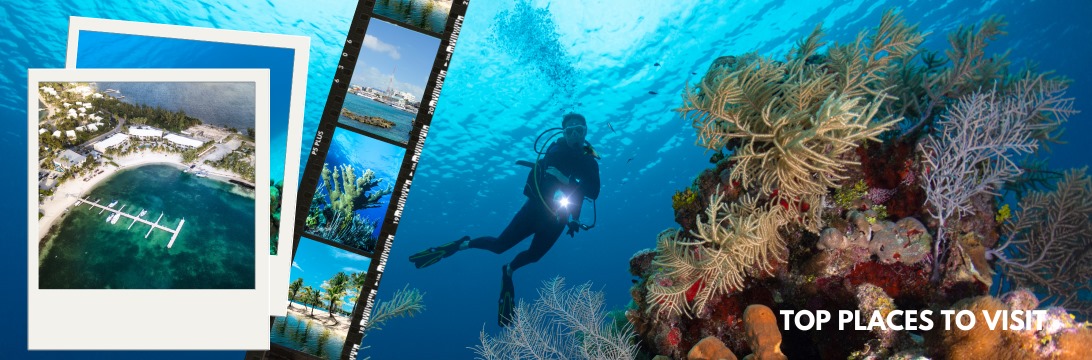
Top Places to Visit
Historical Landmarks
Overview of significant historical landmarks and their importance.
The Cayman Islands, while often recognized for its stunning beaches, also has a rich history reflected in its landmarks.
Pedro St. James Castle: Often referred to as the �Birthplace of Democracy� in the Cayman Islands, this restored three-story building offers a glimpse into the life of an early 19th-century Caymanian. It played a pivotal role in the country�s political evolution.
Old Homestead: A prime example of Caymanian architecture, this traditional home, over 100 years old, showcases the design and construction methods of a bygone era.
Location, accessibility, and visitor guidelines for each landmark.
Both mentioned landmarks are located on Grand Cayman. Pedro St. James is situated in Savannah, easily accessible by road. The Old Homestead can be found in North Side. They are open to visitors throughout the year, with small entrance fees, guided tours, and specific visiting hours.
For a more immersive experience, visiting the official Pedro St. James website is recommended.
Natural Attractions
Description of renowned natural attractions and landscapes.
Stingray City: A series of shallow sandbars in Grand Cayman, where visitors can interact with and feed southern stingrays.
Hell: Located in West Bay, this attraction is an expanse of short, black limestone formations, which folklore says resembled what early settlers thought Hell might look like.
Cayman Crystal Caves: In the district of North Side, these are a series of spectacular caves with stalactite and stalagmite crystal structures.
Information on biodiversity, ecosystems, and conservation efforts.
The Cayman Islands host a variety of ecosystems, from its coral reefs teeming with marine life to its mangrove forests. Conservation is a significant concern, with efforts to protect native species like the Blue Iguana and sea turtles. The Queen Elizabeth II Botanic Park, for example, plays a crucial role in preserving native flora and educating visitors.
More on conservation efforts can be found at The National Trust for the Cayman Islands.
Museums and Cultural Centers
Insight into notable museums, galleries, and cultural centers.
Cayman Islands National Museum: Located in George Town, this museum offers insights into the islands' natural and cultural history.
National Gallery of the Cayman Islands: Showcasing local artists, this gallery provides a deep dive into the islands' contemporary art scene.
Types of exhibits, collections, and cultural representations.
The National Museum houses exhibits ranging from maritime history to natural wonders, while the National Gallery primarily showcases rotating contemporary art exhibits, often reflecting the cultural and social nuances of the islands.
Details on exhibits can be found at the Cayman Islands National Museum and National Gallery websites.
Activities and Festivals
Traditional Festivals
Overview of traditional festivals and their historical significance.
Pirates Week: A unique 11-day festival celebrating pirate folklore and Caymanian heritage through music, dance, and themed events.
Batabano: A vibrant carnival event, deeply rooted in the island's traditions, featuring colorful costumes, parades, and calypso music.
Timing, locations, and customs associated with each festival.
Pirates Week usually takes place in November, with events spread across all three islands. Batabano is typically held in May on Grand Cayman. These festivals are deeply ingrained in local culture, often with residents and tourists participating enthusiastically.
For event schedules, Pirates Week official website and Batabano's site can be consulted.

Seasonal Highlights
Seasonal Events and Celebrations
The Cayman Islands enjoy tropical marine climate, with distinct wet (May to October) and dry (November to April) seasons. Events like the Cayman Cookout in January or the Flowers Sea Swim in June align with these seasons, providing diverse activities throughout the year.
Weather and Climate
While the dry season is sunnier and sees a surge in tourism, the wet season has its own charm, with fewer crowds and lush landscapes. However, it's crucial to monitor tropical storm and hurricane advisories during the wet season.

Sports
Popular Sports and Events
Overview of popular sports in the Cayman Islands and notable sporting events.
Sports play a vital role in the Caymanian culture, both as recreational activities and professional pursuits. Given its Caribbean location, it's no surprise that water sports, in particular, are a dominant force.
Football (Soccer): This is perhaps the most popular sport on the islands. The Cayman Islands Football Association oversees the sport, with numerous leagues and youth programs.
Cricket: A vestige of British colonial influence, cricket is a beloved sport in the Cayman Islands. Matches are often held at the Smith Road Oval in George Town.
Water Sports: Scuba diving, snorkeling, and sailing are highly popular due to the islands' clear waters and vibrant marine life. The annual "Flowers One Mile Sea Swim" is one of the most significant events, attracting swimmers globally.
Athletics: Track and field events are gaining traction, especially among the youth.
Information on how to participate or attend sports events and matches.
Tickets for most sporting events can be bought on-site, but for larger events, purchasing in advance is recommended. The Cayman Islands Football Association website and the Cayman Islands Cricket Association are good resources for schedules and ticketing. For water sports events or participation, numerous operators and clubs offer services, especially in tourist-heavy areas.
Outdoor and Adventure Sports
Description of available outdoor and adventure sports and their locations.
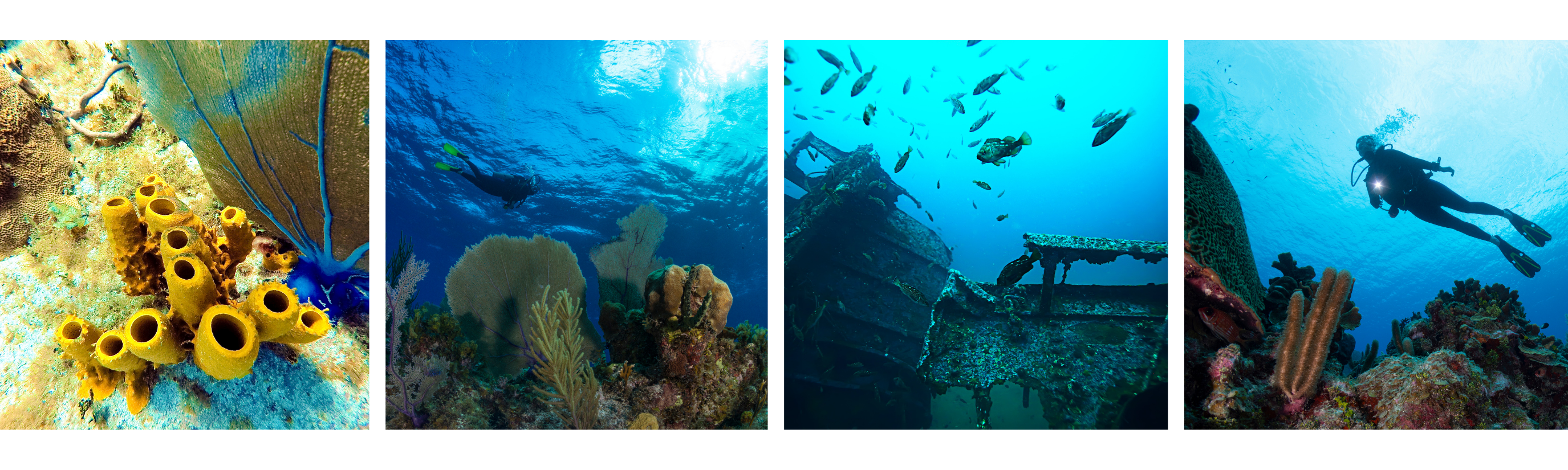
Scuba Diving & Snorkeling: The Cayman Islands offer some of the best diving sites in the world, like the Kittiwake Shipwreck & Artificial Reef in Grand Cayman or Bloody Bay Wall in Little Cayman.
Sailing: The waters around the Cayman Islands are ideal for sailing. The annual Cayman Islands Sailing Club hosts the "Cayman Islands Dinghy Championships."
Hiking: The Mastic Trail on Grand Cayman is a popular choice for nature enthusiasts, offering a glimpse into the island's unique flora and fauna.
Fishing: Deep-sea fishing is a favored activity, with opportunities to catch marlin, tuna, wahoo, and mahi-mahi. Charter services are available, offering both half-day and full-day trips.
Kayaking & Paddleboarding: The calm waters of the islands, especially around Seven Mile Beach and Rum Point, are suitable for these activities. Mangrove kayaking, in particular, provides a unique opportunity to explore the intricate marine ecosystems.
Caving: The Cayman Crystal Caves on Grand Cayman offer guided tours through the island's mesmerizing underground world.
Guidelines on participating, equipment needed, and safety precautions.
For most water sports, it's crucial to ensure that equipment is in good condition. It's advisable to rent gear from reputable operators or to participate in guided tours, especially for activities like scuba diving and caving.
Scuba Diving: Certification is necessary for diving, and beginners should opt for introductory courses. Always be aware of your limits and never dive alone.
Sailing: Familiarity with local weather conditions and sea currents is vital. Those new to sailing should consider renting a vessel with a crew or joining group tours.
Hiking: Wear appropriate footwear, stay hydrated, and always let someone know your route and expected return time.
Fishing: Acquiring a local fishing license is essential for those looking to fish, especially in protected areas. Most charter companies include licensing in their packages.
For detailed information on specific activities and to ensure adherence to safety guidelines, consulting local operators or visiting the official Cayman Islands Tourism website can be beneficial.

Culinary Experience
Cuisine
Overview of traditional cuisine, including regional specialties.
The culinary landscape of the Cayman Islands is a delightful amalgamation of its Caribbean surroundings, British influences, and a touch of international flair due to its expatriate population.
Seafood: Given its location, seafood dominates the culinary scene. Conch, mahi-mahi, wahoo, and snapper are just some of the fresh catches you can expect. Turtle meat, once a staple, is now more of a delicacy due to conservation efforts.
Cayman-style dishes: These are meals prepared with a tomato base, cooked with peppers, onions, and allspice. Dishes like Cayman-style beef or fish are local favorites.
Starchy Sides: Cassava, plantains, yams, and breadfruit are often served as side dishes.
Heavy Cake: A traditional dessert, this dense treat is made with cassava or yams and is a must-try.
Recommendations for restaurants, eateries, and food experiences.
From upscale dining establishments to roadside jerk stands, the islands cater to every palate and preference.
Upscale Dining: Restaurants like Blue by Eric Ripert in the Ritz-Carlton offer gourmet experiences with a Caribbean touch.
Local Flavors: For authentic Caymanian dishes, places like Fry Fish Food Fair or Heritage Kitchen are recommended.
Beachside Eateries: Establishments like Kirk's Corner or Macabuca provide delectable dishes with picturesque sea views.
A visit to Cayman Good Taste offers comprehensive dining guides and recommendations.

Shopping and Souvenirs
Shopping Destinations
Overview of major shopping destinations and what they offer.
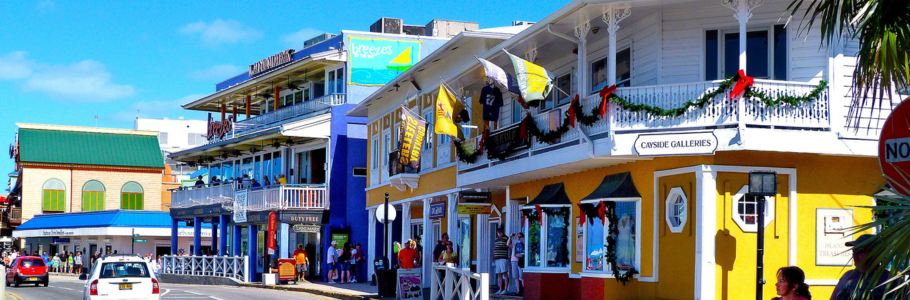
George Town: As the capital of the Cayman Islands, George Town is a primary shopping hub. The town is teeming with duty-free shops, offering luxury brands, jewelry, and watches.
Camana Bay: A modern waterfront town in Grand Cayman, Camana Bay offers a blend of high-end boutiques, local artisan shops, and diverse dining experiences. Its architectural design emphasizes pedestrian-friendly streets, making it perfect for a leisurely shopping day.
Cayman Craft Market: Located in George Town, this is the go-to place for authentic Caymanian crafts and souvenirs. Local artisans sell handmade items, ranging from wood carvings to woven hats.
Recommendations for local markets, boutiques, and malls.
Pure Art Gallery & Gifts: Located just south of George Town, this boutique offers art pieces, crafts, and jewelry by local artists.
Island Plaza: A duty-free shopping center in George Town, known for its extensive collection of jewelry and watches.
Stringray City Souvenirs & Gifts: Near one of the island's top attractions, this shop provides a range of mementos from the iconic Stingray City experience.
For a comprehensive shopping directory, you might want to check out the Cayman Islands' official shopping guide.
Local Crafts and Souvenirs
Description of local crafts, artisan products, and unique souvenirs.
Caymanite: Exclusive to the Cayman Islands, Caymanite is a semi-precious stone with layers of earth-tone colors, often used in jewelry and decorative items.
Rum Cake: A popular Caribbean treat, Cayman Tortuga Rum Cakes are famous and make for a delightful souvenir or gift.
Handmade Crafts: Local artisans often craft intricate items like woven thatch products, wood carvings, and paintings that represent the island's culture.
Black Coral: Once popular, buying black coral products is discouraged due to environmental concerns. If you still wish to purchase, ensure it's from sustainable sources.
Recommendations on where to buy authentic and quality products.
Guy Harvey Gallery and Shoppe: Located in George Town, this shop offers art pieces, clothing, and unique island-inspired souvenirs crafted by the famous marine artist, Guy Harvey.
Miss Lassie's House: An authentic Caymanian experience, this historic home showcases local crafts, paintings, and more.
Hammerhead's Brew Pub and Grill: While primarily a bar, it also sells Cayman Islands brewed beers, which can be an off-beat and unique souvenir.
For authentic Caymanite jewelry, stores like Caymanite Heaven in George Town are recommended.
Residency | Citizenship | Legal Representation | Financial and Tax Considerations
Types of Residency
Description of various types of residency permits and visas available.
The Cayman Islands offer several pathways to residency, tailored to fit the diverse needs of individuals, from investors and entrepreneurs to retirees:
Work Residency: Most expatriates reside in the Cayman Islands under a work permit, which is sponsored by an employer and typically lasts for a specific job duration.
Residency Certificate for Persons of Independent Means: Suitable for individuals who wish to reside in the Cayman Islands without seeking employment. Applicants need to prove a substantial and continuous source of income or hold a certain amount of developed real estate on the island.
Certificate of Permanent Residency: This offers a direct route to lifetime residency. Qualification factors may include business investments, cultural contributions, or employment in specific occupations.
Eligibility criteria and requirements for each type of residency.
Work Residency: Requires a job offer from a local employer who can demonstrate that no Caymanian was available for the role.
Residency Certificate for Persons of Independent Means: Applicants typically need to showcase a specified annual income without needing to work locally. They might also be required to invest in local real estate.
Certificate of Permanent Residency: Applicants often need to reside in the Cayman Islands for a certain number of years. Other factors, such as investments or cultural contributions, can also be considered.
Application Process
Step-by-step guide on the application process for obtaining residency.
- Applications for most residency types involve:
- Completing the respective application form.
- Attaching necessary supporting documents (proof of income, police clearance, medical evaluations).
- Paying the associated application fee.
- Submitting the application to the Cayman Islands Department of Immigration.
- Awaiting approval, which can take weeks to months, depending on the residency type.
Required documents, fees, and processing times for residency applications.
The exact documents and fees vary based on the residency type. Commonly required documents include a passport, birth certificate, financial statements, and medical evaluations. For detailed, up-to-date information, applicants should refer to the official Cayman Islands Immigration website.
Rights and Obligations
Overview of the rights and obligations associated with having residency.
Residents have the right to reside, work (if under a work permit), and enjoy the facilities of the Cayman Islands. They must respect local laws, renew permits as required, and pay any associated fees or taxes.
Information on restrictions, limitations, and responsibilities of residents.
Residents cannot vote or stand for political office. Work permit holders can only work in the specified job role and must leave the Cayman Islands if their employment terminates (unless they secure a new permit).

Citizenship
Eligibility Criteria
Overview of eligibility criteria for applying for citizenship.
Citizenship in the Cayman Islands typically requires:
- Legal and ordinary residence for a certain number of years.
- Good moral character.
- Intention to reside in the Cayman Islands post-naturalization.
Specific requirements regarding residency duration, language proficiency, and integration.
Applicants usually need to have resided in the islands for 15 continuous years. Proficiency in English, knowledge of the Caymanian government and history, and a commitment to respecting Caymanian rights and freedoms are typically assessed.
Application Process
Step-by-step guide on the citizenship application process.
- Complete the Naturalization as a British Overseas Territories Citizen application.
- Attach all required documents, including residency proofs and character references.
- Submit the application and fee to the Cayman Islands Passport and Corporate Services Office.
- Attend a citizenship ceremony upon approval.
Required documents, fees, and processing times for citizenship applications.
Typical documents include birth certificates, marriage certificates (if applicable), proof of residency, and character references. Fees and processing times vary and are best checked on the official Cayman Islands government portal.

Legal Representation
Legal Assistance
Importance of legal representation in the residency/citizenship process.
Navigating the legal complexities of immigration, residency, and citizenship can be challenging. Engaging legal representation can provide invaluable guidance, ensuring all processes are accurately followed. A knowledgeable lawyer or immigration consultant can:
- Offer up-to-date advice on changing regulations and requirements.
- Assist in preparing documentation, ensuring accuracy and completeness.
- Represent the applicant during interactions with immigration authorities.
- Offer guidance on appeals or disputes related to residency or citizenship applications.
Recommendations for finding and choosing immigration lawyers or consultants.
When searching for legal representation in the Cayman Islands:
Referrals: Ask friends, family, or colleagues who have undergone similar processes.
Professional Associations: The Caymanian Bar Association maintains a list of practicing attorneys.
Online Research: Many firms provide detailed information on their services and areas of expertise on their websites.
Consultations: Schedule meetings with potential lawyers to gauge their experience and establish rapport.
Check Reviews: Look for reviews or testimonials from previous clients to get an understanding of their satisfaction and experience.
Legal Fees
Overview of legal fees and other associated costs in the application process.
Legal fees can vary based on:
- The complexity of the case.
- The reputation and experience of the attorney or firm.
- The type of residency or citizenship application.
- Typically, lawyers in the Cayman Islands may charge:
Flat Fees: For straightforward cases where the process is standardized.
Hourly Rates: For complex cases requiring extensive time and resources.
Retainers: An upfront fee, against which future legal costs are deducted.
Information on affordable legal services and consultations.
For individuals seeking more affordable legal representation:
Negotiation: Some lawyers might be willing to negotiate their fees or offer payment plans.
Legal Aid: The Cayman Islands has provisions for legal aid in specific situations. You can inquire at the Judicial Administration�s Legal Aid Office for more details.
Consultation Fees: Some lawyers offer initial consultations at reduced rates, providing an overview of the process and potential costs.
Legal Assistance
Importance of legal representation in the residency/citizenship process.
Obtaining proper legal representation in the Cayman Islands for residency or citizenship processes is not merely a formality; it's often essential for a successful outcome. Lawyers play several roles:
Clarifying Complex Laws: Immigration laws are frequently updated, and their nuances can be perplexing. Lawyers interpret these changes and how they may affect an applicant's case.
Documentation: A significant part of the application process revolves around paperwork. An attorney ensures all documents are correctly filled out, submitted on time, and meet the required standards.
Representation: If issues arise, a lawyer can represent the client, ensuring their rights are protected and advocating on their behalf.
Recommendations for finding and choosing immigration lawyers or consultants.
Law Firms: The Cayman Islands is home to numerous law firms specializing in immigration matters. Firms like HSM Law or Ogier have dedicated departments for immigration and residency matters.
Reviews and Testimonials: Past clients often provide reviews or testimonials about their experience with lawyers. Websites like Lexology can offer insights.
Legal Fees
Overview of legal fees and other associated costs in the application process.
Lawyers in the Cayman Islands may adopt a variety of billing structures. It's essential to understand these upfront to prevent surprises later.
Deposit: Many lawyers request a deposit, particularly if the client's case is extensive or complicated.
Additional Costs: Beyond the lawyer's fees, there might be other costs like application fees, document processing fees, or translation services, if applicable.
Information on affordable legal services and consultations.
Pro Bono Services: Some lawyers offer pro bono (free) services for specific cases or to individuals who can't afford legal fees.
Legal Clinics: These are often held by law firms or legal associations, offering free or low-cost consultations on specific days.
Legal Aid: As mentioned, the Cayman Islands provides legal aid in specific situations. This is essential for those unable to afford legal services.
Role of Legal Consultants vs. Lawyers
While lawyers play a crucial role in legal representation, legal consultants can also provide valuable insights. These consultants might:
Offer advice on the overall process.
Assist in gathering necessary documentation.
Provide a general overview of potential challenges or considerations.
However, unlike lawyers, legal consultants might not represent clients in official proceedings. Sites like Cayman Resident offer extensive insights into living, working, and becoming a resident in the Cayman Islands.

Financial and Tax Considerations
Financial Planning
Overview of financial planning considerations for new residents/citizens.
Moving to the Cayman Islands, either as a resident or citizen, presents unique financial opportunities and challenges.
Banking: Establishing a banking relationship is a priority. The Cayman Islands is a significant offshore financial hub with renowned banks like Cayman National or Butterfield Bank.
Real Estate: Understanding the local real estate market can be beneficial, whether one intends to rent or purchase. Property is an investment and can also be a requirement for certain residency applications.
Retirement Planning: While the Cayman Islands doesn't have traditional tax-advantaged retirement accounts like many countries, it's essential to plan for retirement, possibly through private investments or pension schemes.
Information on opening bank accounts, accessing financial services, and managing assets.
Opening Bank Accounts: Non-residents can open bank accounts, but the process can be more extensive than for residents. Banks typically require:
Valid passport & proof of address
Professional references or letters of introduction
Details on the source of funds
For more specifics, the Cayman Islands Monetary Authority is an excellent resource.
Accessing Financial Services: Beyond traditional banking, the Cayman Islands offers investment banking, trust services, and more. Companies like Walkers or Maples Group offer a plethora of financial services.
Tax Obligations
Overview of tax obligations for residents and citizens.
One of the Cayman Islands' significant draws is its tax-neutral status. Meaning:
No direct taxation: This includes no income tax, inheritance taxes, or capital gains tax.
Indirect taxes exist: Such as import duties, stamp duties on property transactions, and tourist accommodation charges.
However, residents from countries that tax worldwide income (like the U.S.) might still have obligations in their home country.
Information on income tax, wealth tax, and other relevant taxes.
While residents enjoy a lack of direct taxation, they should be aware of:
Import Duties: Most goods imported to the Cayman Islands are subject to import duties. Rates vary based on the type of product, with some luxury goods having higher rates.
Stamp Duty: This is applicable on property transactions and varies based on the property's location and type.
For comprehensive information on duties and taxes, the Cayman Islands Customs & Border Control website is a helpful resource.
Tax Planning and Compliance
Insight into tax planning strategies and compliance requirements.
Given the Cayman Islands' tax-neutral status, many residents and companies employ strategies to maximize this benefit. However, with global efforts to increase transparency, such as the Common Reporting Standard (CRS), it's essential to ensure compliance with international norms.
Tax Residency: While the Cayman Islands doesn't levy income tax, establishing tax residency can be crucial, especially for those from countries with worldwide taxation.
International Obligations: Residents, especially those with assets or businesses spanning multiple countries, must be aware of international tax agreements and ensure they aren't inadvertently evading taxes elsewhere.
Firms like Deloitte Cayman Islands offer tax planning and advisory services to navigate these intricacies.
Investment Outlook | Investment Risks | Real Estate Market Outlook | Property Ownership and Regulations | Taxation and Financial Regulations| Real Estate Investment Trusts and Platforms | Investment Risks and Mitigation | Taxation and Financial Implications of Investments

Investment Outlook
Economic Overview
The Cayman Islands, a renowned global financial center, enjoys an economic landscape marked by its key sectors of financial services and tourism. With a sophisticated banking infrastructure and absence of direct taxation, the Islands attract significant foreign investments.
The financial services sector remains robust due to the presence of numerous banks, insurance companies, and hedge funds. The tax-neutral environment, coupled with confidentiality provisions, fosters a climate conducive for international business.
Tourism, another vital pillar of the economy, thrives on the Islands' natural beauty and coral reefs. The crystal-clear waters, renowned diving spots, and luxury resorts lure countless tourists annually.
The real estate market, too, has observed increased dynamism, especially in luxury properties. The country's pro-investor policies, absence of property taxes, and the potential for capital appreciation have made it an attractive destination for property investors.
Market Trends
The onset of the fintech revolution has positioned the Cayman Islands as a potential hub for digital finance innovations, including blockchain and cryptocurrency ventures. Moreover, as global travelers become increasingly eco-conscious, there's an evident pivot towards sustainable tourism initiatives in the region.
Table 2: Growth Sectors in the Cayman Islands (not fully verified time line, please check for the latest upates)
| Sector | Growth Rate | Contribution to GDP |
| Fintech | 7.5% | 5% |
| Sustainable Tourism | 4.8% | 10% |
| Healthcare | 3.2% | 7% |
| Education | 2.5% | 3% |
Foreign Direct Investment (FDI)
Historically, the Cayman Islands has been a magnet for FDI, particularly from countries looking for stable investment climates. The government, recognizing the benefits of FDI, has implemented several initiatives, such as fast-tracked processes for certain business sectors and duty concessions.

Investment Risks
Economic Risks
Insight into potential economic risks and market volatility.
The Cayman Islands, like any economy, is not immune to economic risks, even with its robust financial services sector and thriving tourism industry.
Financial Sector Dependence: With a significant part of its economy tied to financial services, global banking crises or regulatory shifts can influence its economic stability.
Tourism Vulnerability: Natural disasters, global pandemics, or travel advisories can lead to decreased tourist inflows, impacting the economy.
Analysis of economic stability, inflation rate, and currency exchange rate risks.
The Cayman Islands maintains a fixed exchange rate with the US Dollar, providing currency stability. However, with its open economy, global economic downturns can have ripple effects.
Political Risks
Overview of the political climate and potential risks to investments.
The Cayman Islands has a stable political environment. As a British Overseas Territory, it benefits from a democratic system with UK oversight, adding an extra layer of political stability. Nonetheless, risks might include:
Regulatory Changes: Shifts in financial regulations or tax rules can influence the investment climate.
Global Pressures: International bodies pushing for more transparency in financial dealings can impact the financial services sector.
Legal and Regulatory Risks
Overview of legal and regulatory considerations for investors.
The Cayman Islands boasts a legal system based on English common law, ensuring a transparent and predictable legal environment. However, investors should be aware of:
Contract Enforcement: While the Islands have a robust legal framework, enforcing contracts can sometimes be time-consuming.
Intellectual Property: The Islands are still enhancing their intellectual property rights framework, making it a consideration for tech-based investors.
Information on compliance, dispute resolution, and legal recourse.
Investors have access to the judiciary for dispute resolution. Arbitration is also gaining traction as a preferred method for commercial dispute resolution.

Real Estate Market Outlook
Property Market Trends
Analysis of current trends in the real estate market.
The real estate market in the Cayman Islands has seen consistent growth, primarily driven by its allure as a tropical paradise and its tax-neutral status. The recent years have seen:
Luxury Real Estate Boom: The high-end market, particularly on Grand Cayman's Seven Mile Beach, has seen impressive growth. Many high-net-worth individuals seek luxury condos and beachfront homes.
Increasing Foreign Interest: Given the absence of property taxes and restrictions on foreign ownership, the Cayman Islands attracts international buyers. Canadians, Americans, and Europeans are among the top investors.
Insight into property values, demand, and supply in different regions.
Different regions of the Cayman Islands cater to varied market segments:
Grand Cayman: Being the largest and most developed, it caters to both luxury and mid-range buyers. Areas like George Town and West Bay are particularly popular.
Cayman Brac and Little Cayman: More secluded and less developed, these islands cater to those seeking solitude and nature. The properties here are generally more affordable than Grand Cayman.
Average Property Prices by Region (Sample Data)
| Region | Average Price (Condo) | Average Price (House) |
| Grand Cayman | $600,000 | $850,000 |
| Cayman Brac | $250,000 | $400,000 |
| Little Cayman | $280,000 | $420,000 |
Investment Opportunities
Overview of investment opportunities in residential and commercial real estate.
Residential Real Estate: Given the consistent influx of expatriates and professionals, there's steady demand for both purchase and rental properties. Beachfront properties offer both rental income and appreciation potential.
Commercial Real Estate: The business-friendly climate and the growth of financial services mean demand for office spaces, particularly in George Town.
Information on real estate development projects and investment platforms.
Several real estate development projects cater to varied market segments, from luxury beachfront condos to more affordable inland homes. Investment platforms like real estate investment trusts (REITs) are also becoming popular, allowing investors to tap into the property market without buying physical real estate.
Property Financing
Overview of financing options for real estate investments.
Several local and international banks offer mortgage solutions for both residents and non-residents. Terms and interest rates can vary based on the property type and buyer's financial status.
Information on mortgage rates, loan availability, and lending criteria.
Lending criteria typically include:
Property valuation
Buyer's credit history
Down payment (usually around 10-20%)
Sample Mortgage Rates by Bank
| Bank | Interest Rate | Loan Tenure (Max Years) |
| Cayman National Bank | 4.5% | 25 |
| Butterfield Bank (Cayman) | 4.8% | 20 |

Property Ownership and Regulations
Ownership Structures
Overview of property ownership structures and options.
In the Cayman Islands, there are no restrictions on foreign individuals or entities owning property. This openness has made the region particularly attractive to international investors. The typical ownership structures include:
Freehold Ownership: This is the most straightforward form. The buyer owns the property outright, indefinitely. It's the most common form for residential properties.
Leasehold: Some properties, especially those on government-owned land, might be available on a leasehold basis. Leases can be long-term, often up to 99 years, and can typically be renewed.
Strata Title: Common for condominiums, this structure means an individual owns a particular unit within a complex, plus a share of the common areas.
Ownership Structures and Their Features
| Ownership Type | Duration | Commonly Used For | Control Over Property |
| Freehold | Indefinite | Houses, Land | Full |
| Leasehold | Fixed Term (e.g., 99 years) | Certain government lands | Limited (based on lease terms) |
| Strata Title | Indefinite | Condominiums | Individual units, shared common areas |
Information on joint ownership, property companies, and investment funds.
Joint Ownership: Multiple parties can co-own a property. Depending on the agreement, each party will own a share of the property, and decisions about the property are typically made jointly.
Property Companies: These are companies set up to own and manage real estate. They can be beneficial for tax planning or if several investors are pooling resources to invest.
Investment Funds: Real estate investment trusts (REITs) and other property-focused funds allow individuals to invest in property without buying it directly.
Legal and Regulatory Framework
Insight into the legal and regulatory framework governing property ownership.
The legal framework in the Cayman Islands is based on English common law, ensuring a transparent system. Some key regulations include:
Stamp Duty: This is payable upon property purchase and varies depending on the property's location and type.
Land Holding License: Not typically required for most foreign investors, but necessary for specific properties or if one exceeds certain acreage in ownership.
Planning Permissions: Any development or significant renovation requires planning permissions to ensure they meet local regulations and environmental considerations.
Information on property rights, land use regulations, and zoning restrictions.
Property rights in the Cayman Islands are strong, ensuring owners have the full right to their property, subject to local laws. Land use and zoning restrictions are in place to maintain the aesthetic and environmental quality of the islands. For instance, beachfront properties have specific height restrictions to preserve views and the natural beauty.
Sample Stamp Duty Rates
| Property Value Range (CI$) | Stamp Duty Rate (%) |
| Up to 100,000 | 4 |
| 100,001 � 250,000 | 6 |
| 250,001 and above | 7.5 |
Transaction Process
Step-by-step guide on the property transaction process.
The property transaction process in the Cayman Islands is streamlined and transparent. Here's a step-by-step guide:
Property Selection and Viewing: Identify properties of interest through real estate agents or listings and arrange viewings.
Offer and Acceptance: Once a suitable property is identified, make an offer. Upon acceptance, a formal Sales Agreement is drafted.
Sales Agreement: This legally binding document outlines the terms and conditions of the sale, including price, any contingencies, and expected completion date.
Deposit Payment: A deposit, usually 10% of the property's price, is placed in an escrow account, ensuring both parties' commitment.
Legal Due Diligence: An attorney conducts title searches to confirm the seller's ownership and ensure no liens or encumbrances on the property.
Securing Financing: If not buying outright, finalize your mortgage or financing arrangement.
Stamp Duty Payment: Pay the required stamp duty, which varies based on the property's location and type.
Transfer of Deeds: Upon payment completion, the property's title deeds are transferred to the buyer.
Land Registration: The buyer's attorney will register the new owner with the Cayman Islands' Land Registry.
Finalize Utilities and Services: Set up utilities, including water, electricity, and any other necessary services.
Overview of required documents, fees, taxes, and due diligence.
For a smooth transaction, several documents and fees are involved:
Documents: Sales Agreement, Property Valuation, Title Deeds, Proof of Identity (e.g., Passport), and Proof of Address.
Fees: In addition to the property's price, buyers should account for the stamp duty, attorney fees, registration fees, and any applicable bank charges for mortgage arrangements.
Links for Further Reference:
Official Government Portal for Property Information

Taxation and Financial Regulations
Taxation on Investments
Overview of taxes applicable to investments in the Cayman Islands.
The Cayman Islands is renowned for its tax-neutral environment, one of its main attractions for investors worldwide. Here are the tax specifics:
No Direct Taxation: There's no capital gains tax, income tax, corporation tax, inheritance tax, or value-added tax. This makes it attractive for business operations and investments.
Stamp Duty: While there's no property tax, stamp duty is applicable on property transfers. Its rate varies based on the property's value and location.
Import Duties: The government's primary revenue source is import duties levied on most goods brought into the islands.
Insight into capital gains tax, dividend tax, and other relevant taxes.
There's no capital gains or dividend tax in the Cayman Islands. This tax structure has contributed significantly to the country's allure as a global investment destination.
Financial Regulations
Overview of financial regulations affecting investments.
The Cayman Islands Monetary Authority (CIMA) oversees the country's financial services industry. While the islands offer a flexible regulatory environment, they maintain international compliance standards:
Anti-Money Laundering (AML) Regulations: Firms are required to adopt AML procedures, ensuring the integrity of financial transactions.
Data Protection Law: Ensures the confidentiality of personal data, aligning with global data protection standards.
Beneficial Ownership Regime: Introduced to enhance transparency around company ownership, making sure the Cayman Islands meet international standards.
Information on compliance, reporting requirements, and financial disclosures.
Entities operating within the Cayman Islands are subject to varying degrees of compliance based on their business type:
Annual Returns: Companies must submit annual returns, providing an overview of their operations.
Audited Financials: Certain entities, like mutual funds, must submit audited financial statements to CIMA.
Key Regulatory Bodies and Their Roles
| Regulatory Body | Role & Responsibility |
| Cayman Islands Monetary Authority (CIMA) | Oversees financial operations, ensuring compliance & stability |
| Cayman Islands Government | Enforces data protection, beneficial ownership, & other regulations |
Links for Further Reference:
Cayman Islands Monetary Authority
Official Guide on Investment Regulations
Tax Planning and Compliance
Insight into tax planning strategies and compliance requirements.
Given the minimal tax regime, tax planning in the Caymans revolves around:
Efficient Structuring: For multinational corporations, structuring operations can optimize tax liabilities in other jurisdictions.
Compliance: Ensuring timely payment of applicable taxes, like stamp duty, prevents legal complications.
Information on tax benefits, incentives, and deductions available to investors.
Tax Treaties: While the Cayman Islands itself doesn't impose taxes on income and capital gains, it has agreements with certain countries to prevent double taxation, benefiting international investors.
Common Compliance Deadlines (not fully verified time line, please check for the latest upates)
| Compliance Type | Deadline | Remarks |
| Stamp Duty Payment | 45 days | From the date of the transaction |
| Annual Reports | Year-end | For public companies and certain funds |
Links for Further Reference:
Cayman Islands Monetary Authority (CIMA)
Cayman Islands Department of Commerce & Investment

Real Estate Investment Trusts and Platforms
Introduction to REITs
Real Estate Investment Trusts (REITs) offer individuals the opportunity to invest in large-scale, income-producing real estate. This collective investment scheme pools money to invest in properties and offers liquidity, as REITs shares are often listed on major stock exchanges.
Functioning of REITs
REITs typically own and manage properties, generating income from rents, which is then distributed to shareholders. By law, they're required to distribute at least 90% of their taxable income to shareholders annually in the form of dividends.
Advantages of Investing in REITs
Liquidity: Unlike physical real estate, REIT shares can be easily bought or sold on stock exchanges.
Diversification: REITs often own multiple properties across sectors, reducing investment risk.
Regular Income: Consistent dividends provide a steady income stream.
REITs in the Cayman Islands
While the Cayman Islands is not a prominent hub for REITs, given its small domestic market, its legal and financial infrastructure makes it attractive for the structuring and domiciliation of international REITs.
Regulatory Framework
The Cayman Islands does not have specific REIT legislation. However, REITs can be structured using existing vehicles like companies, partnerships, or trusts, and they will need to adhere to the regulations of the jurisdiction where they are listed.
Tax Implications
Being a tax-neutral jurisdiction, REITs domiciled in the Cayman Islands are not subject to any corporate, capital gains, or withholding taxes. This aspect is particularly attractive for international REIT structures looking to minimize global tax liabilities.
Platforms for Real Estate Investments
Online Real Estate Platforms
In addition to traditional REITs, the rise of technology has given birth to online real estate investment platforms. These platforms pool funds from multiple investors to invest in real estate projects or portfolios.
Benefits of Online Platforms
Accessibility: Allows smaller investors to enter the real estate market.
Transparency: Platforms often provide detailed project information, financial projections, and regular updates.
Flexibility: Investors can choose specific projects to fund, rather than a diversified portfolio.
Comparison Between Traditional REITs and Online Platforms
| Factor | Traditional REITs | Online Platforms |
| Minimum Investment | Typically higher | Often lower |
| Liquidity | High (if publicly traded) | Varies |
| Property Type Diversification | Usually diversified | Can be specific |
| Transparency | Standard public disclosures | Detailed project breakdown |
Links for Further Reference:
Overview of Global REITs Landscape
Real Estate Crowdfunding Platforms
Investment Strategies and Portfolio Management
Investment Strategies
Diversification in the Cayman Islands
Benefits of Diversification
Diversification, or the practice of spreading investments across various assets, helps to reduce risk. By investing in a mix of asset types and sectors, investors can cushion against unfavorable market movements in any single area.
Diversifying in the Cayman Islands
Given the Cayman Islands' status as a tax-neutral jurisdiction with a robust financial services sector, it offers diverse opportunities:
Real Estate: From luxury villas to commercial spaces.
Mutual Funds: The Cayman Islands is a hub for hedge funds and other investment vehicles.
Equities: Invest in companies that are registered or operate in the Cayman Islands.
Timing the Market
Market Trends Analysis
Market timing involves making investment decisions based on predicting market movements. While this can yield high returns, it's also riskier than a long-term, buy-and-hold strategy.
Indicators for the Cayman Islands
Regular reports, like those from the Cayman Islands Monetary Authority and other financial institutions, can provide insights into economic trends and potential investment opportunities.
Portfolio Management
Balancing Risk and Return
Understanding the Risk-Return Trade-off
Investments that have the potential for higher returns typically come with higher risks. A balanced portfolio contains a mix of high-risk, high-return investments and lower-risk, lower-return assets.
Portfolio Management in the Cayman Islands
Given its range of investment opportunities, the Cayman Islands allows for diverse portfolios. Local financial advisors often assist in constructing portfolios that reflect investors' risk tolerance and financial goals.
Continual Assessment and Rebalancing
Importance of Monitoring
An effective investment strategy requires ongoing monitoring and adjustments in response to market dynamics and personal financial situations.
Rebalancing in the Cayman Context
With the Cayman Islands being sensitive to global financial shifts due to its prominent offshore financial sector, regular portfolio rebalancing becomes crucial to capitalize on new opportunities and manage emerging risks.
Table 24: Sample Portfolio Distribution for Moderate Risk Tolerance
| Asset Type | Percentage (%) | Remarks |
| Cayman Real Estate | 30 | Stable, long-term appreciation |
| Equities | 25 | Potential for high returns |
| Bonds | 20 | Lower risk, consistent returns |
| Cayman-based Funds | 15 | Diversification across sectors |
| Cash & Equivalents | 10 | Liquidity and safety |
Links for Further Reference:
Cayman Islands Monetary Authority � Reports and Statistics
Investment Trends in the Caribbean
Investment Opportunities in Emerging Sectors
Emerging Sectors in the Cayman Islands
Sustainable and Renewable Energy
Overview
Given global concerns about climate change and the push for greener solutions, the Cayman Islands has increasingly been exploring renewable energy. With its sunny climate, solar energy has shown particular promise.
Investment Opportunities
Investors can look into:
Solar Farms: Large-scale photovoltaic systems.
Green Energy Startups: Companies innovating in the energy space.
Sustainable Infrastructure: Projects focusing on green construction and design.
Digital and FinTech
Overview
With a robust financial sector, the Cayman Islands is well-poised to be a hub for financial technology (FinTech) innovations.
Investment Opportunities
Blockchain and Cryptocurrency: Platforms and startups focusing on digital currency and ledger technology.
Digital Banking and Payment Solutions: Innovations making financial transactions seamless.
RegTech: Technology solutions to help institutions comply with regulations.
Health and Wellness Tourism
Overview
Beyond its pristine beaches and luxury resorts, the Cayman Islands is steadily making its mark in health and wellness tourism, attracting visitors for medical treatments, wellness retreats, and alternative therapies.
Investment Opportunities
Medical Facilities: Hospitals and clinics catering to international patients.
Spa and Wellness Retreats: Establishments focusing on holistic wellness.
Alternative Medicine Centers: Institutions offering therapies like naturopathy, acupuncture, and more.
Benefits and Challenges of Investing in Emerging Sectors
Benefits
High Growth Potential: New sectors often have a steeper growth curve.
Diversification: Helps in balancing portfolios and distributing risks.
Social and Environmental Impact: Especially in sectors like renewable energy and sustainable projects.
Challenges
Higher Risk: Emerging sectors can be volatile.
Regulatory Uncertainties: New industries might face unforeseen regulations.
Knowledge Barrier: Requires understanding niche sectors.
Risk-Reward Analysis for Emerging Sectors
| Sector | Estimated Risk | Estimated Return | Remarks |
| Sustainable Energy | Moderate | High | Supported by global green energy initiatives |
| Digital and FinTech | High | Very High | Rapid technological advancements |
| Health & Wellness Tourism | Low to Moderate | High | Growing global demand for health tourism |
Links for Further Reference:
Cayman Islands Renewable Energy Association
Cayman Enterprise City � Tech City
Investment Vehicles and Platforms in the Cayman Islands
Overview of Investment Vehicles
Companies and Partnerships
Exempted Companies
Exempted companies are the most commonly used vehicle for foreign investment. They're exempt from various local requirements and can carry out business outside the Cayman Islands without incurring local taxes.
Limited Partnerships (LP)
Often used for private equity and real estate investments, LPs in the Cayman Islands offer flexibility and are not required to file annual returns or financial statements.
Trusts
Purpose Trusts
Used mainly for estate planning and charitable objectives, purpose trusts can be established for a particular purpose without beneficiaries.
STAR Trusts
Special Trusts Alternative Regime (STAR) trusts allow for both charitable and non-charitable purposes, with a more flexible regulatory framework.
Investment Funds
Hedge Funds
Cayman Islands is a global leader in the hedge fund industry, offering a regulatory-friendly environment.
Private Equity Funds
Increasingly popular, these funds attract long-term, committed capital for a range of investments.
Cayman Islands Digital Platforms for Investment
Cayman Enterprise City (CEC)
special economic zone attracting tech startups, CEC offers various benefits, from tax concessions to expedited licensing processes.
Cayman Tech City
Part of the CEC, Cayman Tech City caters to technology and digital companies, promoting innovation in fintech, blockchain, and more.
Online Investment Platforms
Various platforms allow for investment in Cayman-based projects, businesses, and funds, offering a mix of traditional and alternative investment opportunities.
Advantages and Challenges of Different Investment Vehicles
Advantages
Tax Neutrality: Most Cayman investment vehicles benefit from a tax-neutral environment.
Regulatory Framework: Known for its robust yet flexible framework, aiding in investment.
Confidentiality: Cayman ensures a level of confidentiality for investors and businesses.
Challenges
Global Scrutiny: As a prominent offshore center, Cayman often faces international scrutiny.
Competition: With other jurisdictions vying for international business, staying ahead is a challenge.
Local Limitations: Some investment vehicles face restrictions on conducting local business.
Investment Vehicle Suitability by Goal
| Investment Goal | Best Suited Vehicles | Remarks |
| Asset Protection | Trusts, Exempted Companies | Enhanced confidentiality and legal protections |
| Portfolio Diversification | Hedge Funds, LPs | Access to a wide range of assets and strategies |
| Business Operations | CEC, Cayman Tech City | Dedicated zones and benefits for business establishments |
Links for Further Reference:
Cayman Islands Monetary Authority � Investment Supervision

Investment Risks and Mitigation in the Cayman Islands
Understanding the Risks
Economic Risks
Dependence on Global Financial Markets: Given the Cayman Islands' status as an offshore financial hub, it is sensitive to global economic shifts, which can influence its financial sector.
Limited Diversification: While efforts are in place to diversify, the economy remains heavily reliant on tourism and financial services. Any significant disruption in these sectors could impact overall economic health.
Regulatory Risks
International Scrutiny: The Cayman Islands often faces international scrutiny regarding tax and transparency regulations. Changes in international tax laws or blacklisting can affect investments.
Changes in Local Regulations: While the Cayman government is investor-friendly, changes in local laws could impact certain sectors or investment vehicles.
Environmental Risks
Natural Disasters: Being a Caribbean island, the Cayman Islands are susceptible to hurricanes and tropical storms that can cause infrastructure damage and economic disruption.
Climate Change Impact: Rising sea levels and changing weather patterns can pose long-term challenges to the islands.
Mitigating Investment Risks
Diversification
Portfolio Diversification: By investing across different sectors and asset types within the Cayman Islands, investors can mitigate sector-specific risks.
Geographic Diversification: Alongside investments in the Cayman Islands, having assets in other geographies can cushion against any potential local downturns.
Regular Monitoring and Due Diligence
Staying Updated: Keeping abreast of local and international regulatory changes helps in making informed investment decisions.
Periodic Review: Regularly reviewing and assessing the performance of Cayman-based investments ensures they align with financial goals and risk tolerance.
Seeking Expert Advice
Local Financial Advisors: Leveraging the expertise of local advisors, who have a deep understanding of the Cayman market, can be beneficial.
Legal Consultation: To navigate regulatory complexities, consulting with legal experts familiar with the Cayman Islands' laws is prudent.
Risk-Mitigation Strategies and Their Effectiveness
| Risk Type | Mitigation Strategy | Effectiveness |
| Economic | Diversification | High |
| Regulatory | Legal Consultation | High |
| Environmental | Insurance, Infrastructure Investment | Moderate |
Links for Further Reference:
Cayman Islands Department of Tourism - Crisis Management
Cayman Islands Government - Economic Reports
Cayman Islands Monetary Authority - Regulatory Updates

Taxation and Financial Implications of Investments in the Cayman Islands
Understanding Taxation in the Cayman Islands
Tax Neutrality
Overview
The Cayman Islands is recognized for its tax-neutral environment. This means there are no direct taxes levied - no capital gains tax, income tax, corporate tax, or inheritance tax.
Benefits for Investors
Tax neutrality can lead to increased returns for investors. Without multiple layers of taxation, investors can often repatriate profits with ease.
International Reporting Standards
Compliance with Global Norms
While tax-neutral, the Cayman Islands isn't a tax haven. It adheres to international standards for anti-money laundering (AML) and countering the financing of terrorism (CFT). It also practices information exchange in line with the Common Reporting Standard (CRS) and the Foreign Account Tax Compliance Act (FATCA).
Implications for Investors
Investors must ensure that their investments in the Cayman Islands adhere to the regulations and reporting standards of their home countries.
Financial Considerations for Investments
Costs and Fees
Government Fees
While there's no direct taxation, the Cayman Islands government charges fees for various licenses and services. For instance, mutual funds may be subject to annual fees.
Legal and Advisory Fees
Setting up investment structures, like trusts or companies, often necessitates legal guidance. These services come with associated fees.
Repatriation of Profits
Ease of Repatriation
The Cayman Islands' regulatory framework facilitates the seamless repatriation of profits, without cumbersome controls or restrictions.
Currency Considerations
The Cayman dollar (KYD) is pegged to the US dollar. Most business transactions are conducted in USD, providing stability and reducing foreign exchange risks.
Protection against Confiscation
The Cayman Islands Constitution offers protection against the confiscation of assets without adequate compensation. This provides an added layer of security for investors.
Snapshot of Financial Implications for Investors in the Cayman Islands
| Consideration | Details |
| Direct Taxation | None |
| Government Fees | Variable, based on the nature of the investment vehicle |
| Repatriation of Profits | Seamless, predominantly in USD |
| Protection of Assets | Constitutional protection against unwarranted confiscation |
Links for Further Reference:
Cayman Islands Department of International Tax Cooperation
Cayman Islands Monetary Authority - Licensing Fees
Tax Treaties and Agreements involving the Cayman Islands
Potential Future Trends in the Cayman Islands Investment Scene
Emphasis on Sustainable and Green Investments
Growth of Green Finance
Overview
With increasing global awareness about environmental challenges, there's a surge in demand for sustainable and environmentally friendly investments. The Cayman Islands is poised to capitalize on this trend, given its significant role in global finance.
Opportunities for Investors
Innovative financial products such as green bonds, sustainable equities, and environmental funds will likely emerge, presenting new avenues for investment.
Infrastructure and Renewable Energy
Renewable Push
Given the global shift towards renewable energy, the Cayman Islands may see increased investments in solar, wind, and marine energy projects, harnessing its natural resources.
Sustainable Infrastructure
Investment in sustainable infrastructure, including eco-friendly buildings, waste management systems, and water conservation projects, can be anticipated.
Technological Integration and Digitalization
Rise of FinTech and Digital Assets
Digital Transformation
The intersection of finance and technology, commonly known as FinTech, will play a pivotal role. Expect a surge in digital payment platforms, robo-advisors, blockchain-based solutions, and even the adoption of digital currencies.
Regulatory Adaptation
The Cayman Islands will likely adapt its regulatory framework to accommodate and govern these new financial technologies, ensuring investor protection while promoting innovation.
Virtual Asset Platforms
With the global growth of cryptocurrency and virtual assets, Cayman might see the establishment of more virtual asset platforms, exchanges, and related financial products.
Increased Regulatory Oversight and Transparency
Enhanced Due Diligence and Reporting
Global Standards
In response to global pressures, the Cayman Islands may further strengthen its due diligence processes, ensuring that investments align with international anti-money laundering and counter-terrorism financing norms.
Beneficial Ownership
Continued emphasis on disclosing beneficial ownership of companies and trusts is expected, adding a layer of transparency to the investment scene.
Evolving Tax Landscape
While the Cayman Islands is tax-neutral, it might adapt its policies in alignment with global tax reforms, ensuring it remains a reputable and compliant jurisdiction.
Diversification of Investment Portfolios
Alternative Investments
Beyond traditional investment avenues, expect a rise in alternative investments, including private equity, real estate, commodities, and hedge funds.
Cross-border Collaborations
Increased collaborations with other financial hubs and jurisdictions can be expected, leading to a diversified range of investment products and opportunities.
Future Investment Trends in the Cayman Islands
| Trend Category | Predicted Developments |
| Green Investments | Surge in green finance and sustainable infrastructure projects |
| Technological Integration | Adoption of FinTech solutions, virtual asset platforms |
| Regulatory Evolution | Enhanced transparency, beneficial ownership disclosures |
| Portfolio Diversification | Growth in alternative investments, cross-border collaborations |
Links for Further Reference:
Cayman Finance: Future Strategy
Cayman Enterprise City - Tech Innovations
Embracing the Cayman Advantage
The Cayman Islands, a long-standing global finance hub, offers a unique combination of features to investors:
Tax Neutrality: The lack of direct taxes presents lucrative opportunities for profit maximization.
Regulatory Compliance: While offering flexible investment platforms, Cayman is compliant with global anti-money laundering and transparency norms.
Strategic Location: Situated in the Caribbean but with a global reach, it�s a gateway to international markets.
Professional Infrastructure: World-class legal, financial, and advisory services ensure that investors have the support they need.
Staying Informed and Adaptable
The investment landscape, globally and in the Cayman Islands, is constantly evolving. It�s imperative to:
Monitor Regulatory Changes: Stay abreast of any local and international regulatory shifts that might impact Cayman-based investments.
Engage with Local Experts: Regularly consult with local financial and legal professionals who can provide timely insights and recommendations.
Participate in Local Networks: Engage in investor forums, industry conferences, and other networking events in the Cayman Islands.
Diversifying and Innovating
Explore New Investment Avenues: From green finance to fintech solutions, there are emerging sectors ripe for investment in the Cayman Islands.
Prioritize Sustainable Investing: Consider investments that align with global sustainability goals, benefiting both the investor and the global community.
Leverage Technology: Harness tech platforms for better investment monitoring, analysis, and decision-making.
Final Recommendations
Comprehensive Due Diligence: Before committing to any investment, ensure thorough due diligence, assessing both the rewards and risks.
Long-term Perspective: While the Cayman Islands offers avenues for short-term gains, consider a long-term investment approach for sustained growth.
Engage in Local Community: Beyond financial engagements, consider active participation in the Cayman community, fostering deeper connections and understanding.
Regularly Review Investment Portfolio: Regular audits and reviews will ensure that your portfolio aligns with your financial goals and risk appetite.
Checklist for Investors in the Cayman Islands
| Consideration | Action Points |
| Investment Strategy | - Define clear objectives.<br>- Diversify assets. |
| Due Diligence | - Research potential investments.<br>- Consult with experts. |
| Community Engagement | - Attend local events.<br>- Network with local professionals. |
| Portfolio Management | - Use technology for monitoring.<br>- Conduct regular reviews. |
Links for Further Reference:
Cayman Islands Investment Guide
Local Networking Events in the Cayman Islands
Cayman Islands Department of Commerce & Investment
Investing in the Cayman Islands offers a blend of lucrative opportunities and a sophisticated financial landscape. With the right approach, informed decisions, and a commitment to understanding the local nuances, investors can leverage the Cayman advantage for significant gains. As you consider your investment journey in this vibrant jurisdiction, remember the importance of adaptability, engagement, and continuous learning. Best of luck in your investment endeavors!
Accounting Experts | Legal Professionals | Residency and Citizenship Advisors | Property Management | Finishing Specialists and Interior Decorators | Furnishing Experts | Relocation and Moving Services | Insurance Providers
Accounting Experts
Ensure financial transparency and compliance in real estate transactions. Our accounting experts in Cayman Islands streamline financial processes, offering precision and reliability crucial for informed decisions.
Legal Professionals
Essential for navigating complex legal landscapes, our legal professionals in Cayman Islands provide comprehensive legal guidance. From property acquisitions to contractual agreements, they ensure transactions are secure and compliant.
| Company Name | Website | Phone Number | |
|---|---|---|---|
| Campbells | https://www.campbellslegal.com/expertise/ | [email protected] | 13459492648 |
| Boddens | https://boddens.ky/practice-areas-services | [email protected] | 13459430303 |
| HSM | https://hsmoffice.com/law/ | [email protected] | 13459494766 |
| Carey Olsen | https://www.careyolsen.com/services/corporate | [email protected] | 13457492000 |
| Broadhurst LLC | https://broadhurstllc.com/practice-areas/ | [email protected] | 13459497237 |
| Harneys | https://harneys.com | [email protected] | 13459498599 |
| Walkers | https://www.walkersglobal.com/en/About-us | [email protected] | 13459490100 |
| Ogier | https://www.ogier.com/expertise/services/legal/corporate/ | [email protected] | 13459499876 |
| Maples Group | https://maples.com/en/services/legal-services | [email protected] | 13459498066 |
Residency and Citizenship Advisors
Facilitate seamless transitions for international clients. Our residency and citizenship advisors in Cayman Islands offer strategic advice on residency options and citizenship programs, enhancing global mobility and investment opportunities.
Property Management Teams
Optimize property value and tenant satisfaction. Our property management services in Cayman Islands encompass proactive maintenance, tenant relations, and financial oversight, ensuring your assets perform at their best.
| Company Name | Website | Phone Number | |
|---|---|---|---|
| Property Management Cayman | Website | [email protected] | +1 345-924-9249 |
| BCQS Property Management | Website | [email protected] | +1 345-949-9300 |
| Property Cayman | Website | [email protected] | +1 345-749-4663 |
| MW Property Management Ltd. | Website | [email protected] | +44 936-9175 |
| Tessa Hydes Property Management | Website | [email protected] | +1 345-949-5134 |
| REM Services Ltd. | Website | [email protected] | +1 345-946-8664 |
| Coastal Realty Ltd. | Website | [email protected] | +1 345-926-0701 |
| Cayman Property Management | Website | [email protected] | +1 345-917-3382 |
| Ritch Realty | Website | [email protected] | +1 345-949-9838 |
Finishing Specialist and Interior Decorators
Elevate property appeal and functionality. Our finishing specialists and interior decorators in Cayman Islands transform spaces with tailored designs and quality finishes, enhancing marketability and client satisfaction.
| Company Name | Website | Phone Number | |
|---|---|---|---|
| Lydia Uzzell Interior Design | https://www.lydiauzzelldesign.com/design-services/ | [email protected] | 13459451271 |
| Casa Cayman Interiors | https://casacayman.com/references/ | [email protected] | 7863767442 |
| IDG Interior Design Group | https://idgcayman.com/services | [email protected] | 13457454315 |
| Island Interiors Ltd. | https://islandinteriors.com.ky/ | [email protected] | 13459496262 |
| Island House | https://www.islandhouse.ky/pages/services | [email protected] | 13459362995 |
| Elegant Design | https://www.elegantdesignbuild.com/architectural-design | [email protected] | 13459251972 |
| Design Studio | http://www.designstudio.tc/about-us/ | [email protected] | 13459454977 |
| Living.ky | https://living.ky/pages/commercial | [email protected] | 13452338700 |
| Loka Ventures | lokaventures.com | [email protected] | 13459240071 |
Furnishing Experts
Enhance property presentation and tenant comfort. Our furnishing experts in Cayman Islands curate stylish and functional interiors, optimizing property appeal and tenant experience with innovative furnishing solutions.
| Company Name | Website | Phone Number | |
|---|---|---|---|
| CORT Global Network | https://www.cortglobal.com/about-us/ | [email protected] | 15129006904 |
| Loka Ventures | https://www.lokaventures.com/ | [email protected] | 13459240071 |
| IDG Interior Design Group | https://idgcayman.com/projects | [email protected] | 13457454315 |
| Marksons Furniture | https://www.marksonsfurniture.com/collections/living-room-sets | [email protected] | 5852541250 |
| Phoenix Construction | https://www.phoenix.com.ky/services/commercial-furnishings/ | [email protected] | 13459458001 |
| Living.ky | https://living.ky/pages/shop-by-room-and-product | [email protected] | 13452338700 |
Relocation and Moving Services
Ensure smooth transitions for clients moving to or within Cayman Islands. Our relocation and moving services coordinate every detail, offering efficient logistics and personalized support for a stress-free relocation experience.
| Company Name | Website | Phone Number | |
|---|---|---|---|
| Cayman Islands Relocation Consultants | https://caymanresident.com/move | [email protected] | +1 345-946-3200 |
| IRG Cayman | https://www.irgcayman.com/cayman-islands-relocation-services | [email protected] | +1 345-623-1111 |
| Mosaic Cayman | https://www.mosaiccayman.com | [email protected] | +1 345-928-7940 |
| Mod Realty Cayman | https://modrealtycayman.com/relocation/ | [email protected] | +1 345-323-4550 |
| Affinity Cayman | https://www.affinitycayman.com/recruitment/corporate-immigration/ | [email protected] | +1 345-943-2020 |
| Atlas International | https://www.atlasintl.com/international-moving-services/corporate-moving-services | [email protected] | 800-638-9797 |
| ERA Cayman | https://www.eracayman.com/buyers-guide/moving-to-the-cayman-islands/ | [email protected] | +1 345-945-6000 |
| Sta Mar Enterprises | https://stamar.ky/#services | [email protected] | +1 345-949-2399 |
Insurance Providers
Safeguard property investments with comprehensive insurance solutions. Our insurance providers in Cayman Islands offer specialized coverage options tailored to real estate needs, providing peace of mind against unforeseen risks.
| Company Name | Website | Phone Number | |
|---|---|---|---|
| Island Heritage Insurance Company Ltd. | https://islandheritageinsurance.com/home | [email protected] | +1 (345) 949-7280 |
| CG BritCay | https://ky.cgcoralisle.com/product/home-and-contents-insurance/ | [email protected] | +1 (345) 498-699 |
| Cayman First Insurance Company Ltd. | https://caymanfirst.com/health-insurance | [email protected] | +1 (345) 948-2266 |
| Sagicor Life of the Cayman Islands | https://sagicorcayman.com/personal/insurance/products | [email protected] | +1 (345) 949-8211 |
| BAF Insurance Company (Cayman) Ltd. | https://bahamasfirst.com | [email protected] | +1 (242) 302-3900 |
| Pan-American Life Insurance Company | https://www.palig.com/about-palig/who-we-are | [email protected] | +1 (345) 949-8304 |
| CINICO | https://cinico.ky/health-policy/ | [email protected] | +1 (345) 949-8101 |