
Fun and Leisure
Top Places to Visit | Activities and Festivals | Seasonal Highlights | Sports | Culinary Experience | Shopping and Souvenirs
Historical Landmarks
Overview of Significant Historical Landmarks and Their Importance
France is home to numerous significant historical landmarks that hold immense cultural, architectural, and historical importance. These landmarks not only symbolize France's rich heritage but also attract millions of visitors from around the world each year. Here's an overview of some of the most prominent historical landmarks in France and their significance:
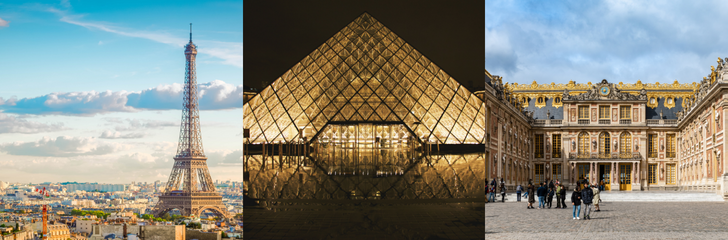
Eiffel Tower (Tour Eiffel), Paris: Built for the 1889 Exposition Universelle (World's Fair), the Eiffel Tower has become an iconic symbol of France and one of the most visited landmarks globally. Designed by Gustave Eiffel, the tower stands as a testament to French engineering prowess and serves as a symbol of innovation and progress.
Louvre Museum (Musée du Louvre), Paris: The Louvre is one of the world's largest and most famous museums, housing a vast collection of art and artifacts spanning from antiquity to the 19th century. Originally a royal palace, the Louvre showcases priceless treasures such as the Mona Lisa, the Venus de Milo, and the Winged Victory of Samothrace.
Notre-Dame Cathedral, Paris: Notre-Dame Cathedral, with its striking Gothic architecture and iconic flying buttresses, is one of the most celebrated cathedrals in the world. The cathedral's construction began in the 12th century and has been a symbol of Parisian religious and cultural life for centuries. It suffered extensive damage in a fire in April 2019.
Palace of Versailles (Château de Versailles): The Palace of Versailles is a UNESCO World Heritage site renowned for its opulent architecture, magnificent gardens, and historical significance. Built during the reign of Louis XIV, the palace served as the royal residence and seat of power for the French monarchy until the French Revolution.
Mont Saint-Michel, Normandy: Mont Saint-Michel is a medieval abbey perched on a rocky island off the coast of Normandy, surrounded by vast tidal flats. The abbey's remarkable architecture and natural setting make it one of France's most iconic and visited landmarks, attracting pilgrims and tourists alike.
Arc de Triomphe, Paris: The Arc de Triomphe is a monumental triumphal arch located at the western end of the Champs-Élysées in Paris. Commissioned by Napoleon Bonaparte, the arch commemorates the victories of the French Army and pays homage to those who fought and died for France.
Château de Chambord, Loire Valley: The Château de Chambord is a masterpiece of Renaissance architecture and one of the most recognizable châteaux in the Loire Valley. Built as a hunting lodge for King Francis I, the château's distinctive French Renaissance style and double helix staircase are marvels of architectural ingenuity.
These landmarks, among many others scattered across France, serve as reminders of the country's rich history, cultural heritage, and artistic achievements. They embody the spirit of France and continue to inspire awe and admiration in visitors from around the globe.
Natural Attractions
Description of Renowned Natural Attractions and Landscapes
France boasts a diverse array of natural attractions and landscapes, from majestic mountain ranges and pristine beaches to lush forests and picturesque countryside
Mont Blanc: Mont Blanc is the highest peak in Western Europe, standing at 4,808 meters (15,774 feet) above sea level. It offers breathtaking alpine scenery, including glaciers, snow-capped peaks, and rugged mountain terrain.
Verdon Gorge (Gorges du Verdon): Often referred to as the "Grand Canyon of Europe," the Verdon Gorge is a spectacular river canyon carved by the Verdon River. It features dramatic limestone cliffs, turquoise waters, and stunning panoramic viewpoints.
Camargue Natural Park (Parc Naturel Régional de Camargue): The Camargue is a vast wetland known for its unique ecosystem, including salt marshes, lagoons, and sandy beaches. It is home to wild horses, flamingos, and diverse bird species, making it a haven for nature lovers and birdwatchers.
Lavender Fields of Provence: Provence is famous for its picturesque landscapes, rolling hills, and fragrant lavender fields. From late June to early August, the lavender blooms blanket the countryside in shades of purple, creating a stunning natural spectacle.
The French Riviera (Côte d'Azur): The French Riviera is renowned for its glamorous beach resorts, turquoise waters, and vibrant cultural scene. It offers sandy beaches, luxury yachts, and a mild Mediterranean climate that attracts visitors from around the world.
The Loire Valley (Vallée de la Loire): The Loire Valley is home to numerous Renaissance châteaux, including Château de Chambord, Château de Chenonceau, and Château de Villandry. Its scenic beauty, fertile vineyards, and cultural heritage make it a UNESCO World Heritage site.
Renowned Natural Attractions and Landscapes and the best time to visit in France
| Natural Attraction | Location | Best Time to Visit |
| Mont Blanc | French Alps | June to September |
| Verdon Gorge (Gorges du Verdon) | southeastern France | April to June / September to October |
| Camargue Natural Park (Parc Naturel Régional de Camargue) | Rhône River delta, near the city of Arles in southern France. | March - May / September to October |
| Lavender Fields of Provence | southeastern France. | June - July |
| The French Riviera (Côte d'Azur) | Mediterranean coastline of southeastern France | April to June / September to October |
| The Loire Valley (Vallée de la Loire) | central France | April to June / September to October |
These natural attractions and landscapes showcase the diverse beauty and charm of France, offering visitors unforgettable experiences and opportunities to connect with nature and the great outdoors.Top of Form
Museums and Cultural Centers
Insight into Notable Museums, Galleries, and Cultural Centers
France is renowned for its rich cultural heritage and boasts a plethora of museums, galleries, and cultural centers that showcase art, history, and culture from various periods and regions. Here's an insight into some notable ones:
Louvre Museum (Musée du Louvre), Paris:
- The Louvre is one of the world's largest and most visited museums, housing a vast collection of art and artifacts from antiquity to the 19th century.
- Highlights include the Mona Lisa, the Venus de Milo, the Winged Victory of Samothrace, and works by masters such as Leonardo da Vinci, Michelangelo, and Rembrandt.
Musée d'Orsay, Paris:
- Housed in a former railway station, the Musée d'Orsay is renowned for its collection of French art from the mid-19th century to the early 20th century.
- It features masterpieces by artists such as Monet, Van Gogh, Degas, Renoir, and Gauguin, with a focus on Impressionism, Post-Impressionism, and Art Nouveau.
Centre Pompidou, Paris:
- The Centre Pompidou is a cultural complex in the heart of Paris, known for its modern and contemporary art collections.
- It houses the National Museum of Modern Art, a vast public library, and a center for music and acoustic research.
Musée Rodin, Paris:
- The Musée Rodin is dedicated to the works of the renowned French sculptor Auguste Rodin.
- It features sculptures such as "The Thinker," "The Kiss," and "The Gates of Hell," displayed in the museum's gardens and historic mansion.
Musée Picasso, Paris:
- The Musée Picasso houses the world's largest collection of works by the celebrated Spanish artist Pablo Picasso.
- Located in the historic Marais district, the museum showcases Picasso's paintings, sculptures, ceramics, and drawings.
Palace of Versailles (Château de Versailles):
- The Palace of Versailles is a UNESCO World Heritage site and one of France's most iconic landmarks.
- Visitors can explore the opulent palace interiors, the Hall of Mirrors, the Royal Apartments, and the expansive gardens designed by André Le Nôtre.
Musée de l'Orangerie, Paris:
- The Musée de l'Orangerie is famous for its collection of Impressionist and Post-Impressionist paintings, including Claude Monet's Water Lilies series.
- The museum is located in the Tuileries Gardens, near the Place de la Concorde.
Musée du Quai Branly - Jacques Chirac, Paris:
- The Musée du Quai Branly is dedicated to the arts and civilizations of Africa, Asia, Oceania, and the Americas.
- Its collection includes ethnographic objects, artifacts, and artworks from diverse cultures around the world.
These are just a few examples of the many museums, galleries, and cultural centers that France has to offer. Each institution offers visitors a unique opportunity to explore and appreciate the rich tapestry of art, history, and culture that defines France and its contributions to the world of arts and humanities.
Activities and Festivals
Traditional Festivals
Overview of Traditional Festivals and Their Historical Significance
France is known for its vibrant traditional festivals, which celebrate various aspects of the country's cultural heritage, history, and religious traditions. Here's an overview of some of the most significant traditional festivals in France and their historical significance:
Bastille Day (Fête nationale):
- Date: July 14th
- Bastille Day commemorates the storming of the Bastille prison in 1789, a key event in the French Revolution that marked the beginning of the French Republic.
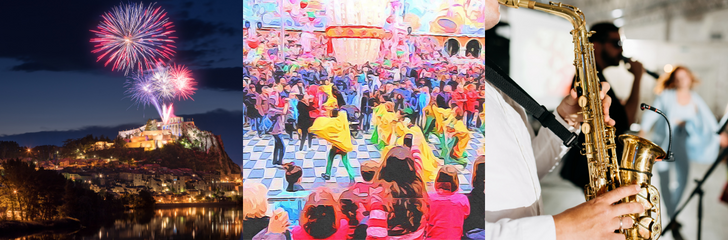
- The day is celebrated with fireworks, parades, concerts, and public festivities across France, symbolizing the principles of liberty, equality, and fraternity.
Carnival de Nice:
- Date: February (varying dates)
- The Carnival de Nice is one of the largest and most famous carnivals in the world, dating back to the Middle Ages.
- The carnival features colorful parades, flower battles, and extravagant floats, attracting thousands of visitors to the French Riviera each year.
Mardi Gras:
- Date: The day before Ash Wednesday (varies)
- Mardi Gras, or Fat Tuesday, is celebrated with festive parades, masked balls, and indulgent feasts before the beginning of Lent in the Christian calendar.
- Cities such as Nice, Dunkirk, and Limoux host lively Mardi Gras celebrations with music, dancing, and traditional costumes.
Fête de la Musique:
- Date: June 21st
- Fête de la Musique, also known as World Music Day, is a nationwide celebration of music that takes place on the summer solstice.
- Musicians of all genres perform in streets, parks, and public squares, creating a festive atmosphere and promoting cultural exchange and community spirit.
La Fête du Citron (Lemon Festival), Menton:
- Date: February (varying dates)
- La Fête du Citron in Menton celebrates the region's citrus-growing heritage with elaborate sculptures and floats made of lemons and oranges.
- The festival dates back to the late 19th century and attracts visitors from around the world to admire the colorful displays and enjoy citrus-themed events.
La Chandeleur (Candlemas):
- Date: February 2nd
- La Chandeleur is a Christian festival that marks the presentation of Jesus at the Temple and the purification of the Virgin Mary.
- The festival is celebrated with the tradition of making and eating crêpes, which symbolize the sun and the arrival of spring.
Fête des Vendanges (Grape Harvest Festival), Burgundy and Bordeaux:
- Date: September (varying dates)
- The Fête des Vendanges celebrates the grape harvest in France's wine-growing regions, including Burgundy and Bordeaux.
- The festival features wine tastings, vineyard tours, parades, and cultural events, highlighting the importance of winemaking to French culture and heritage.
These traditional festivals play an important role in preserving and promoting France's cultural identity, fostering community spirit, and bringing people together to celebrate shared traditions and values. They are cherished occasions that reflect the richness and diversity of French heritage throughout the year.
Recreational Activities
Description of Popular Recreational Activities Available in Different Regions
France offers a wide range of recreational activities across its diverse regions, catering to varied interests and preferences. Here's a description of popular recreational activities available in different regions of France:
Skiing and Snowboarding in the French Alps:
- The French Alps offer world-class skiing and snowboarding opportunities in renowned resorts such as Chamonix, Courchevel, Val d'Isère, and Megève.
- Visitors can enjoy downhill skiing, snowboarding, cross-country skiing, snowshoeing, and other winter sports amidst stunning alpine landscapes.
Wine Tasting in Bordeaux and Burgundy:
- Bordeaux and Burgundy are famous wine-producing regions known for their vineyards, châteaux, and prestigious wine estates.
- Visitors can embark on wine tours and tastings, explore picturesque vineyards, and learn about the winemaking process while enjoying some of the world's finest wines.
Cycling in Provence and the Loire Valley:
- Provence and the Loire Valley are ideal regions for cycling enthusiasts, offering scenic landscapes, charming villages, and historic sites.
- Visitors can explore vineyards, lavender fields, and olive groves in Provence, or cycle along the Loire River, passing by Renaissance châteaux and picturesque countryside.
Beach Activities on the French Riviera (Côte d'Azur):
- The French Riviera boasts beautiful beaches, crystal-clear waters, and glamorous seaside resorts such as Nice, Cannes, and Saint-Tropez.
- Visitors can enjoy sunbathing, swimming, water sports, and yacht cruises along the Mediterranean coastline, as well as dining in seaside cafes and exploring vibrant coastal towns.
Hiking in the Pyrenees and Corsica:
- The Pyrenees mountain range and the island of Corsica offer excellent hiking opportunities amidst stunning natural scenery.
- Visitors can explore scenic trails, rugged mountain landscapes, and pristine forests while discovering picturesque villages, mountain lakes, and panoramic viewpoints.
Cultural Sightseeing in Paris and Normandy:
- Paris, the capital city of France, is renowned for its iconic landmarks, world-class museums, and vibrant cultural scene.
- Visitors can explore famous attractions such as the Eiffel Tower, Notre-Dame Cathedral, the Louvre Museum, and the Palace of Versailles, as well as enjoy shopping, dining, and entertainment in the city's diverse neighborhoods.
- Normandy, with its historic cities, charming seaside towns, and D-Day landing beaches, offers opportunities for cultural sightseeing, exploring medieval architecture, and learning about France's rich history and heritage.
Gastronomic Experiences Across France:
- France is renowned for its culinary traditions, and visitors can indulge in gastronomic experiences across the country.
- From Michelin-starred restaurants to cozy bistros and bustling food markets, France offers a diverse range of dining options, allowing visitors to savor regional specialties, gourmet cuisine, and fine wines
Recommendations for Outdoor Activities, Adventure Sports, and Relaxation
France offers a plethora of outdoor activities, adventure sports, and relaxation opportunities for travellers to enjoy. Here are some recommendations:
Hiking and Trekking:
- Explore the scenic landscapes of the French Alps, Pyrenees, and Corsica on foot. The French Alps offer a variety of hiking trails, including the Tour du Mont Blanc, GR20 in Corsica, and Pyrenean Haute Route.
- Discover picturesque coastal paths along the Brittany coast, the cliffs of Normandy, and the Mediterranean coastline.
Cycling and Mountain Biking:
- France is a cyclist's paradise with well-marked cycling routes, including the Loire Valley, Provence, and Burgundy. The Alsace Wine Route and the Canal du Midi offer scenic cycling paths.
- Mountain biking enthusiasts can explore downhill trails in the French Alps, cross-country routes in the Vosges Mountains, and forest tracks in the Ardennes.
Water Sports:
- Experience a range of water sports along the French coastline, including surfing in Biarritz, windsurfing in Brittany, and kitesurfing in the Mediterranean.
- Canoeing and kayaking are popular activities on the rivers and lakes of France, including the Ardèche Gorges, Dordogne River, and Annecy Lake.
Skiing and Snowboarding:
- Enjoy world-class skiing and snowboarding in the French Alps, with resorts such as Chamonix, Courchevel, Val d'Isère, and Les Trois Vallées offering excellent slopes and facilities.
- Cross-country skiing and snowshoeing are popular activities in the Jura Mountains and Vosges Mountains.
Relaxation and Wellness:
- Unwind and rejuvenate in France's spa towns and wellness retreats, such as Aix-les-Bains, Vichy, and Évian-les-Bains.
- Indulge in vinotherapy treatments at luxury spas in Bordeaux and Burgundy, or relax in natural hot springs in the Pyrenees and Auvergne.
Golfing:
- France boasts a variety of golf courses set amidst stunning landscapes, including coastal courses in Biarritz and Deauville, as well as mountain courses in the French Alps.
- Prestigious golf resorts, such as Terre Blanche in Provence and Les Bordes in the Loire Valley, offer world-class facilities and championship courses.
Hot Air Ballooning and Paragliding:
- Soar above the French countryside on a hot air balloon ride, taking in panoramic views of vineyards, châteaux, and picturesque villages.
- Paragliding enthusiasts can enjoy thrilling flights in the French Alps, Jura Mountains, and Pyrenees, with tandem flights available for beginners.
Picnics and Outdoor Dining:
- Experience the art of French gastronomy with a picnic in one of France's many parks, gardens, or scenic viewpoints.
- Enjoy al fresco dining at outdoor markets, riverside cafes, and countryside restaurants, savoring regional specialties and local wines.
These activities offer travelers the opportunity to immerse themselves in France's natural beauty, cultural heritage, and outdoor adventure, creating unforgettable experiences in every corner of the country.
Seasonal Highlights
Seasonal Events and Celebrations
Insight into Events, Celebrations, and Attractions Available in Different Seasons
France offers a diverse array of events, celebrations, and attractions throughout the year, with each season bringing its own unique charm and activities.
Here's an insight into what you can expect in different seasons in France:
Spring (March to May):
- Cherry Blossom Season: In April, cities like Paris and Provence come alive with cherry blossoms, particularly around famous landmarks like the Eiffel Tower and the gardens of Giverny.
- Easter Celebrations: Easter is celebrated with various events, including egg hunts, religious processions, and festive markets across the country.
- Wine Tastings: Spring marks the beginning of wine tourism season, with vineyards in regions like Bordeaux, Burgundy, and Provence offering wine tastings and cellar tours.
- Cultural Festivals: Spring is the season for cultural festivals such as the Cannes Film Festival, Printemps de Bourges (music festival), and Festival de Cannes (theater and dance).
Summer (June to August):
- Music Festivals: France hosts numerous music festivals during the summer, including the Festival d'Avignon (theater), Eurockéennes (rock), and Festival de Carcassonne (classical music).
- Beach Time: Enjoy the sun and sand on the beaches of the French Riviera, Brittany, Normandy, and Corsica. Water sports, beachside cafes, and coastal hikes are popular summer activities.
- Outdoor Dining: Summer is perfect for al fresco dining at sidewalk cafes, outdoor markets, and scenic vineyards.
- Bastille Day: July 14th marks Bastille Day, France's national holiday, celebrated with fireworks, parades, and cultural events across the country.
Autumn (September to November):
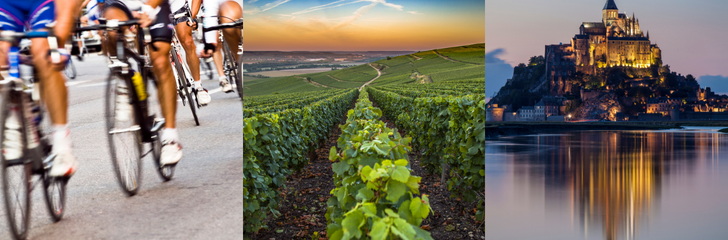
- Wine Harvest: Experience the grape harvest season in wine regions like Bordeaux, Burgundy, and Alsace, where you can participate in grape-picking, wine tastings, and harvest festivals.
- Mushroom Foraging: Autumn is prime mushroom season in France, with forests and countryside areas offering opportunities for mushroom foraging and culinary events.
- Cultural Events: Enjoy cultural events such as the Nuit Blanche (all-night arts festival), Montmartre Grape Harvest Festival, and Paris Fashion Week.
Winter (December to February):
- Christmas Markets: Experience the festive atmosphere at Christmas markets in cities like Strasbourg, Colmar, and Paris, where you can shop for gifts, sample local delicacies, and enjoy holiday decorations.
- Skiing and Snowboarding: Hit the slopes in the French Alps, Pyrenees, and Vosges Mountains, where you can enjoy winter sports such as skiing, snowboarding, and snowshoeing.
- Carnival Celebrations: Experience traditional carnival celebrations in cities like Nice, Dunkirk, and Limoux, with parades, masquerade balls, and street performances.
- Winter Cuisine: Indulge in hearty winter cuisine, including fondue, raclette, and traditional dishes like cassoulet and boeuf bourguignon.
Throughout the year, France offers a rich tapestry of events, celebrations, and attractions that showcase its cultural diversity, culinary heritage, and natural beauty, making it a year-round destination for travelers from around the world.
Sports
Popular Sports and Events
Overview of Popular Sports in Austria and Notable Sporting Events
Popular Sports in France:
- Football (Soccer): Football is the most popular sport in France, with a strong domestic league (Ligue 1) and a successful national team. French clubs like Paris Saint-Germain (PSG), Olympique de Marseille, and AS Monaco have a strong following.
- Rugby: Rugby union is also highly popular in France, especially in the southwest regions. The Top 14 league is one of the premier rugby leagues in Europe, and the national team competes at the highest level internationally.
- Tennis: France has a rich tennis tradition, with several top-ranked players on the international circuit. The French Open (Roland Garros) is one of the four Grand Slam tennis tournaments and is held annually in Paris.
- Cycling: France is famous for its cycling culture, and the Tour de France is one of the most prestigious and iconic cycling races in the world. The race attracts top cyclists and millions of spectators each year.
- Basketball: Basketball has a growing following in France, with the French Basketball Federation organizing domestic leagues and national teams that compete at the international level.
- Handball: Handball is a popular indoor sport in France, with the national team achieving considerable success in international competitions, including the Olympic Games and World Championships.
- Skiing and Winter Sports: In the mountainous regions, winter sports such as skiing, snowboarding, and cross-country skiing are popular activities during the winter months.
Notable Sporting Events in France:
- Tour de France: The Tour de France is the world's most famous cycling race and one of France's most iconic sporting events. It takes place annually over three weeks in July and attracts top cyclists from around the world.
- French Open (Roland Garros): The French Open is one of the four Grand Slam tennis tournaments and is held annually over two weeks in late May and early June. It is played on clay courts at the Stade Roland Garros in Paris.
- 24 Hours of Le Mans: The 24 Hours of Le Mans is one of the world's oldest and most prestigious endurance auto races. It takes place annually in June at the Circuit de la Sarthe and attracts top teams and drivers from around the world.
- Paris Marathon: The Paris Marathon is one of the largest marathons in the world, with thousands of participants running through the streets of Paris each spring.
- Six Nations Rugby Championship: France competes in the Six Nations Rugby Championship along with England, Ireland, Scotland, Wales, and Italy. Matches take place from February to March, and France has a strong rugby tradition.
These events attract millions of spectators and showcase France's passion for sports and its rich sporting heritage.
Outdoor and Adventure Sports
Description of Available Outdoor and Adventure Sports and Their Locations
France offers a wide range of outdoor and adventure sports, thanks to its diverse landscapes, including mountains, rivers, coastlines, and forests.
Here's a description of some available outdoor and adventure sports and their locations in France:
Skiing and Snowboarding:
- Locations: French Alps (Chamonix, Courchevel, Val d'Isère, Tignes, Les Deux Alpes), Pyrenees (Pyrenees National Park, Les Angles), Vosges Mountains (La Bresse, Gérardmer).
- Description: France is renowned for its world-class ski resorts, offering a variety of slopes for all levels of skiers and snowboarders. The French Alps, in particular, provide excellent skiing conditions and stunning mountain scenery.
Hiking and Trekking:
- Locations: Pyrenees National Park, Mercantour National Park, GR20 in Corsica, Mont Blanc Massif, Vanoise National Park, Verdon Gorge.
- Description: France boasts countless hiking trails through diverse landscapes, including alpine meadows, rugged mountains, coastal cliffs, and picturesque valleys. Hikers can explore scenic routes with varying degrees of difficulty.
Cycling and Mountain Biking:
- Locations: Loire Valley, Provence, French Riviera, Alsace Wine Route, Pyrenees, French Alps.
- Description: France offers numerous cycling routes, from flat countryside paths to challenging mountain ascents. Cyclists can explore vineyards, coastal roads, and historic towns while enjoying breathtaking views.
Rock Climbing and Mountaineering:
- Locations: Verdon Gorge, Chamonix, Fontainebleau Forest, Calanques National Park, Vercors Massif.
- Description: France is a paradise for rock climbers and mountaineers, with iconic climbing areas offering a variety of routes and challenges. The Verdon Gorge is famous for its limestone cliffs and multi-pitch climbs.
Water Sports:
- Locations: French Riviera (Nice, Cannes, Antibes), Atlantic Coast (Biarritz, Hossegor), Brittany (Quiberon, Carnac), Ardèche River.
- Description: France's extensive coastline and rivers offer a wide range of water sports, including surfing, windsurfing, kiteboarding, sailing, kayaking, and paddleboarding. The Ardèche River is popular for canoeing and kayaking trips.
Paragliding and Hang Gliding:
- Location: Annecy, Chamonix, Grenoble, Saint Hilaire du Touvet, Millau.
- Description: France's mountainous regions provide ideal conditions for paragliding and hang gliding. Pilots can soar above stunning landscapes, including alpine peaks, valleys, and lakes.
White-water Rafting and Canyoning:
- Locations: Ubaye Valley, Verdon Gorge, Drôme River, Ardèche River, Pyrenees.
- Description: France's rivers offer thrilling white-water rafting and canyoning experiences, with rapids, waterfalls, and natural rock formations to navigate.
These outdoor and adventure sports locations in France provide enthusiasts with endless opportunities to explore nature, challenge themselves, and experience adrenaline-pumping activities in some of the most beautiful landscapes in the world.
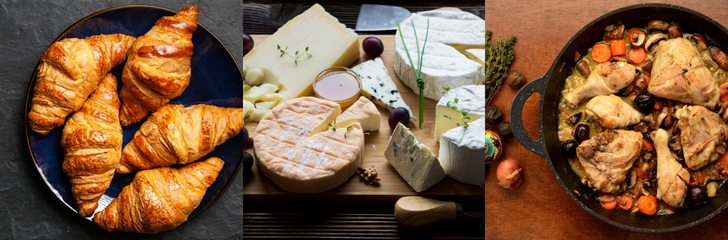
Culinary Experience in France
Cuisine
Overview of Traditional Austrian Cuisine, Including Regional Specialties
Wiener Schnitzel: Wiener Schnitzel is a classic Austrian dish made with breaded and fried veal or pork cutlets. It's often served with a slice of lemon and potato salad.
Apfelstrudel (Apple Strudel): Apfelstrudel is a popular Austrian dessert made with thin layers of flaky pastry filled with spiced apples, raisins, and cinnamon. It's typically served warm with powdered sugar and vanilla sauce.
Sachertorte: Sachertorte is a famous Viennese chocolate cake consisting of layers of dense chocolate sponge cake with a thin layer of apricot jam in between. The cake is covered in a smooth chocolate glaze.
Tafelspitz: Tafelspitz is a traditional Austrian beef dish made from boiled beef served with horseradish sauce, roasted potatoes, and root vegetables. It's often considered a national dish of Austria.
Kaiserschmarrn: Kaiserschmarrn is a fluffy shredded pancake dessert often served as a main course in Austria. It's made from a sweet batter mixed with raisins and then torn into small pieces while cooking. It's typically served with fruit compote or applesauce.
Käsekrainer: Käsekrainer is a type of Austrian sausage made with pork and chunks of cheese, usually Emmental or Gruyère. It's often grilled and served with mustard and bread.
Brettljause: Brettljause is a traditional Austrian snack or light meal served on a wooden board (Brett). It typically includes an assortment of cold cuts, cheeses, pickles, bread, and spreads.
Regional Specialties:
Salzburger Nockerl (Salzburg): Salzburger Nockerl is a light and fluffy soufflé dessert from the city of Salzburg. It's made from egg yolks, sugar, and stiffly beaten egg whites, baked until golden, and dusted with powdered sugar.
Kasnocken (Tyrol): Kasnocken are traditional Tyrolean dumplings made with flour, eggs, and cheese, typically served with fried onions and a side of sauerkraut or salad.
Kaspressknödel (Tyrol): Kaspressknödel are Tyrolean cheese dumplings made with stale bread, cheese, onions, and herbs. They're formed into balls, boiled, and then pan-fried until crispy.
Brettljause (Styria): In Styria, Brettljause is a regional specialty that often features locally produced meats, cheeses, bread, and spreads served on a wooden board.
Wine and Beverages
Insight into Wine and Beverage Culture
Wine Production:
- France is one of the world's leading wine producers, known for its diverse range of grape varieties, appellations, and wine regions.
- Key wine regions include Bordeaux, Burgundy, Champagne, Alsace, Rhône Valley, Loire Valley, and Provence, each known for producing distinctive wines with unique characteristics.
- French wines are classified based on the concept of terroir, which emphasizes the influence of soil, climate, and geography on wine quality and style.
Wine Classification:
- France's wine classification system includes several categories, such as AOC (Appellation d'Origine Contrôlée), which denotes wines from specific regions adhering to strict production regulations.
- Other classifications include Vin de Pays (country wine), Vin de France (table wine), and Grand Cru or Premier Cru designations for exceptional vineyards.
Grape Varieties:
- France is home to numerous grape varieties used in winemaking, including iconic varieties like Cabernet Sauvignon, Merlot, Pinot Noir, Chardonnay, Sauvignon Blanc, and Syrah.
- Each wine region specializes in specific grape varieties, contributing to the diversity and complexity of French wines.
Wine Culture:
- Wine is deeply ingrained in French culture and society, often enjoyed with meals, family gatherings, and social occasions.
- Wine plays a central role in French gastronomy, with food and wine pairing considered an art form that enhances the dining experience.
Wine Tourism:
- France offers extensive wine tourism opportunities, including vineyard tours, tastings, cellar visits, and wine festivals.
- Wine routes and trails allow visitors to explore different wine regions, discover local vineyards, and learn about wine making traditions and techniques.
Beverage Diversity:
- In addition to wine, France offers a diverse range of beverages, including artisanal beers, spirits, liqueurs, and non-alcoholic drinks.
- France is renowned for its cognac, champagne, pastis, absinthe, and calvados, each reflecting the country's rich cultural heritage and craftsmanship.
Café Culture:
- France is famous for its café culture, with sidewalk cafés and bistros serving as social hubs where people gather to enjoy coffee, pastries, and conversation.
- Traditional French cafés offer a relaxed atmosphere and a wide selection of beverages, including espresso, café au lait, cappuccino, and hot chocolate.
Shopping and Souvenirs
Shopping Destinations
Overview of Major Shopping Destinations and What They Offer
France offers a diverse range of shopping destinations, from bustling street markets and luxury boutiques to department stores and designer outlets.
Here's an overview of some major shopping destinations in France and what they offer:
Paris:
- Champs-Élysées: Known as one of the most famous avenues in the world, the Champs-Élysées is lined with luxury boutiques, flagship stores, theaters, cafes, and restaurants.
- Galeries Lafayette: A historic department store offering a wide selection of fashion, accessories, cosmetics, and gourmet food.
- Le Marais: A trendy neighborhood known for its chic boutiques, vintage shops, art galleries, and designer stores.
- Rue du Faubourg Saint-Honoré: Home to high-end fashion houses, luxury brands, and exclusive designer boutiques.
- Saint-Ouen Flea Market: One of the largest flea markets in the world, offering a treasure trove of antiques, vintage clothing, art, and collectibles.
Marseille:
- Les Terrasses du Port: A modern shopping center located on Marseille's waterfront, featuring a variety of shops, restaurants, and entertainment options.
- Centre Bourse: A historic shopping mall in the heart of Marseille, offering a mix of fashion retailers, electronics stores, and specialty shops.
- Vieux Port Market: A vibrant outdoor market near the Old Port, offering fresh produce, seafood, spices, and local specialties.
Lyon:
- La Part-Dieu: Lyon's largest shopping center, featuring a wide range of shops, restaurants, cinemas, and leisure facilities.
- Presqu'île: Lyon's central peninsula, home to department stores, fashion boutiques, artisanal shops, and traditional silk merchants.
- Les Halles de Lyon-Paul Bocuse: A gourmet food market offering a selection of fresh produce, cheeses, meats, wines, and regional specialties.
Bordeaux:
- Rue Sainte-Catherine: One of Europe's longest pedestrian shopping streets, lined with department stores, fashion chains, specialty shops, and cafes.
- Les Grands Hommes: A luxury shopping district featuring upscale boutiques, designer labels, and jewelry stores.
- Marché des Capucins: Bordeaux's largest food market, offering a wide range of fresh produce, seafood, cheeses, and gourmet delicacies.
Nice:
- Avenue Jean Médecin: Nice's main shopping street, featuring department stores, fashion chains, souvenir shops, and cafes.
- Old Town (Vieux Nice): A charming neighborhood with narrow streets lined with boutiques, artisanal shops, and local crafts.
- Cours Saleya Market: A bustling open-air market offering flowers, fruits, vegetables, spices, and regional specialties.
Popular Souvenirs in France
France offers a wide array of iconic souvenirs that reflect its rich culture, history, and artistry. Here are some popular souvenirs to consider when visiting France:
- Eiffel Tower Miniatures: Miniature replicas of the Eiffel Tower, available in various sizes and materials, are one of the most iconic souvenirs from France. They make for a timeless keepsake of your visit to Paris.
- French Perfume: France is renowned for its perfume industry, with famous fragrance houses like Chanel, Dior, and Guerlain. Perfume sets, fragrance samplers, and luxury scented candles make for elegant and indulgent souvenirs.
- Wine and Champagne: France is celebrated for its world-class wines and champagne. Bottles of Bordeaux, Burgundy, Champagne, and other French wines make for sophisticated and memorable gifts, especially if they are from renowned vineyards.
- French Cheese: Bring home a taste of France with a selection of artisanal cheeses. From creamy Camembert to tangy Roquefort, French cheeses are cherished delicacies that capture the essence of French gastronomy.
- French Chocolates: Treat yourself or your loved ones to exquisite French chocolates. Visit artisanal chocolate shops or renowned chocolatiers like La Maison du Chocolat and Pierre Marcolini to discover a delectable assortment of truffles, pralines, and ganaches.
- Macarons: Colorful and delicate, macarons are quintessential French treats that delight the senses. Purchase a box of macarons from renowned patisseries like Ladurée or Pierre Hermé to savor the flavors of France.
- French Fashion Accessories: France is synonymous with fashion, and you can find a variety of stylish accessories to commemorate your trip. Consider purchasing a silk scarf from Hermès, a designer handbag from Louis Vuitton, or elegant gloves from a Parisian boutique.
- French Art Prints and Postcards: Capture the beauty of France's landmarks and landscapes with art prints or postcards depicting iconic sights like the Eiffel Tower, Notre-Dame Cathedral, Mont Saint-Michel, or lavender fields in Provence.
- French Pastries: Indulge in the sweet delights of French pastries and bring home a box of freshly baked croissants, pain au chocolat, or éclairs from a local bakery. These delectable treats offer a taste of authentic French pastry craftsmanship.
- French Table Linens: Add a touch of French elegance to your home with stylish tablecloths, napkins, and kitchen towels adorned with classic French motifs like fleur-de-lis, Provencal patterns, or scenes of Parisian landmarks.
These popular souvenirs from France encapsulate the country's charm, sophistication, and culinary heritage, providing lasting memories of your time spent exploring this captivating destination.