
Fun and Leisure
Landmarks | Activities and Festivals | Seasonal Highlights | Sports | Culinary Experience | Shopping and Souvenirs
Fun and Leisure
I. Top Places to Visit in Spain
A. Historical Landmarks
1. Overview of Significant Historical Landmarks and Their Importance
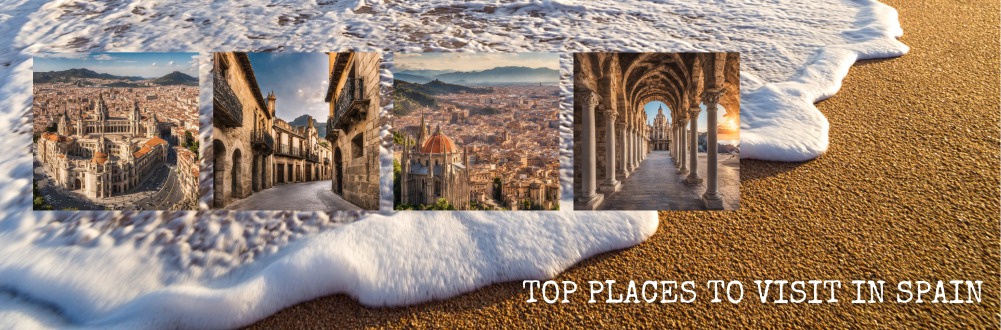
Spain has a richness of historical sites that tell stories about its past. These landmarks, varying from majestic palaces to ancient ruins, are evidence of Spain's rich cultural past. They represent the various civilizations that have influenced the history and architecture of the nation, such as the Romans and the Moors.
One of the best examples of elaborate Islamic architecture from the Moorish era is the Alhambra in Granada. With buildings like the Toledo Cathedral and Alcázar of Toledo, which symbolize the peaceful coexistence of various civilizations, Toledo's historic city exhibits a blend of Christian, Muslim, and Jewish heritage.
2. Location, Accessibility, and Visitor Guidelines
The majority of historical sites are conveniently reachable by vehicle or public transportation, and comprehensive information about their locations and visitation policies is available online. Tickets, which can typically be bought in advance to avoid long lines, may be required for entry. In-depth explanations of the significance and background of each landmark are frequently offered by guided tours.
B. Natural Attractions
1. Description of Renowned Natural Attractions and Landscapes
From immaculate beaches to striking mountain ranges, Spain's varied landscapes are home to breathtaking natural wonders. Hiking, adventure, and a variety of plants and animals may all be found in the Picos de Europa National Park. With its exhilarating path through sheer gorges, the Caminito del Rey gives a singular viewpoint of the surrounding countryside.
The coastline of Spain, which includes the well-known Costa del Sol and Costa Brava, has stunning beaches, pristine waters, and quaint coastal communities that are perfect for leisure and water sports.
2. Information on Biodiversity, Ecosystems, and Conservation Efforts
With its many national parks, nature reserves, and protected areas, Spain is dedicated to sustainable tourism and biodiversity conservation. These programs seek to protect the distinctive ecosystems and varied fauna that call them home, including the Spanish Imperial Eagle and the Iberian lynx. To preserve these areas' natural beauty for future generations, eco-friendly activities and conscientious travel are encouraged.
C. Museums and Cultural Centers
1. Insight into Notable Museums, Galleries, and Cultural Centers
It is home to several museums and cultural institutions that provide a window into the nation's rich artistic legacy and cultural fabric. The Prado Museum in Madrid is well known for its vast collection of European art, which includes pieces by Goya, Velázquez, and other great artists. With its displays of modern art and recognizable architecture, Bilbao has become a cultural center thanks to the Guggenheim Museum.
Spain's artistic richness and thriving creative scene are celebrated through exhibitions, performances, and events held at local galleries and cultural centers throughout the nation.
2. Types of Exhibits, Collections, and Cultural Representations
From ancient relics to contemporary art installations, Spain's museums and cultural institutions provide a wide range of collections and displays. With their representation of various art forms, historical eras, and artistic movements, they reflect the nation's cultural development. Visitors of all ages can enjoy an engaging experience thanks to the frequent availability of interactive exhibitions, educational activities, and seminars.
II. Activities and Festivals
A. Traditional Festivals
1. Overview of Traditional Spanish Festivals and Their Historical Significance
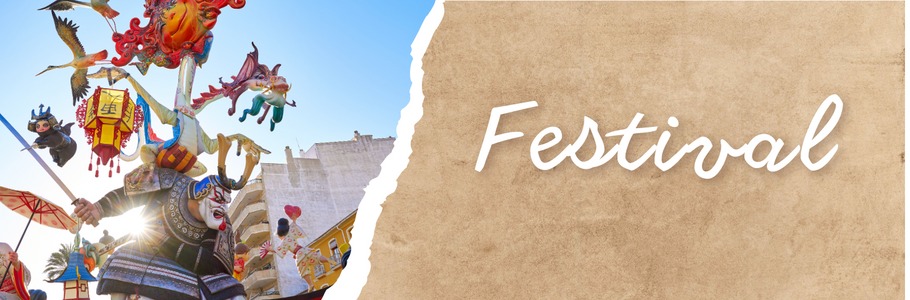
It is well known for its colorful and lively festivals, each with its own history and customs. Participants in Buñol's world-famous event, La Tomatina, engage in a huge tomato brawl, signifying good times and solidarity. Processions portraying the Passion of Christ are a feature of Semana Santa, or Holy Week, a solemn yet magnificent holiday celebrated throughout Spain.
Pamplona's Running of the Bulls takes place through the city's winding streets in front of bulls, blending tradition and excitement. Every festival honors Spain's rich history, religious variety, and social cohesion, and is a living representation of the country's cultural legacy.
2. Timing, Locations, and Customs Associated with Each Festival
Every festival has its own traditions and takes place at a certain period of the year. In Buñol, La Tomatina is held on the final Wednesday in August. One of the most well-known festivals of Semana Santa takes place in Seville during Holy Week, which comes before Easter Sunday. In July, during Pamplona's San Fermín festival, the Running of the Bulls takes place.
Each celebration's local culture and historical background are reflected in the diverse festival customs, which include intricate costumes, traditional music and dances, and regional cuisine.
B. Recreational Activities
1. Description of Popular Recreational Activities Available in Different Regions
The varied landscapes of Spain provide a wide range of leisure pursuits to suit various preferences. Adventurers would love to hike in the Pyrenees, surf on the Atlantic coast, and explore underwater in the Mediterranean. For individuals who want to experience local customs, areas such as Andalusia provide flamenco dancing and horseback riding.
While the tranquil beaches of the Balearic Islands provide leisure amid natural beauty, wine excursions in La Rioja and gastronomic experiences around the nation allow visitors to enjoy the overall landscape of the country.
2. Recommendations for Outdoor Activities, Adventure Sports, and Relaxation
Adventure-seekers must try windsurfing in Tarifa, paragliding in Andalusia, and skiing in the Sierra Nevada. From the lush vegetation of Asturias and the volcanic scenery of the Canary Islands to the serene beaches of Formentera and Valencia's revitalizing spa services are great places to unwind.
C. Nightlife and Entertainment
1. Overview of Nightlife Options, Including Clubs, Bars, and Live Music Venues
The country’s lively nightlife provides a variety of choices, from little flamenco pubs in Granada to famous clubs in Ibiza. Cities such as Barcelona and Madrid are well-known for their diverse array of bars, clubs, and live music venues that accommodate a wide range of musical tastes. Every area has a distinct nightlife that reflects the particular flavors and subtleties of its culture.
2. Information on Entertainment Options Like Theaters, Cinemas, and Performance Arts
Spain offers a wide range of entertainment alternatives that reflect its rich cultural environment. Plays, operas, and dance shows are among the many performances that take place at theaters all around the nation. A variety of domestic and foreign films are shown in theaters, frequently with the help of film festivals honoring the craft of filmmaking. The Teatro Real in Madrid and the Palau de la Música Catalana in Barcelona are famous venues that feature top-notch performances and offer a window into Spain's artistic prowess.
III. Seasonal Highlights
A. Seasonal Events and Celebrations
1. Insight into Events, Celebrations, and Attractions Available in Different Seasons
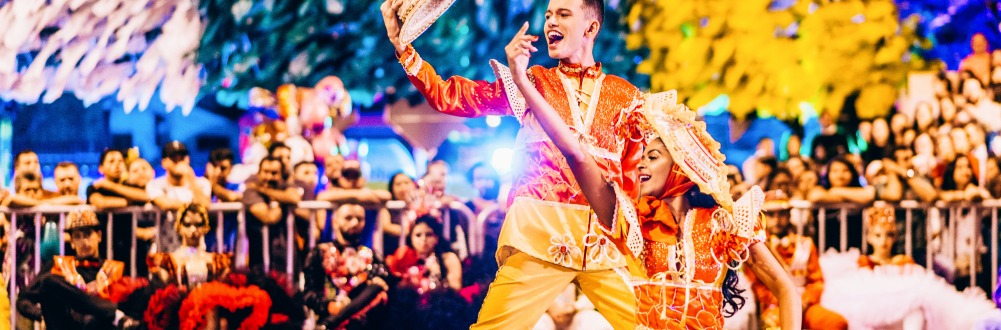
Because of its varied climate and regions, the country is able to organize a wide range of events and festivals all year long. Christmas markets and the well-known Three Kings Parade, a joyous and vibrant event, are brought about by winter. The splendor of Seville's Feria de Abril and the passion of Valencia's Las Fallas, where massive sculptures are on display before being burned to represent the triumph of light over darkness, embellish spring.
Numerous music and dance festivals, like Barcelona's Sonar Festival and Jerez's flamenco-heavy Feria del Caballo, take place throughout the summer. The Human Tower Competition in Catalonia and the San Sebastián International Film Festival, which combines tradition and modern artistic expression, welcome the fall season.
2. Recommendations for the Best Time to Visit Based on Interests and Preferences
Because of the abundance of festivities and the mild weather, spring, and fall are the country's best seasons to look into. With the nation's ports and cities bustling with activities and the weather being nice, summer is the ideal season for beachgoers and music lovers, with the festive atmosphere and milder weather. Winter offers a more sedate and peaceful experience that offers a new take on Spain's allure.
B. Weather and Climate
1. Overview of the Climate in Different Regions and Its Impact on Activities
Spain offers a diverse topography that differs from various areas . From Warm, rainy winters to scorching, dry summers make the Mediterranean coast (which includes Barcelona and Valencia), perfect for beach sports and coastal exploration. Madrid and other interior locations have continental climates with hot summers and harsh winters, making them ideal for winter sports in mountainous areas and cultural trips.
Hiking and exploring beautiful landscapes are made possible by the oceanic environment in the northern regions, such as Bilbao, which experiences warm temperatures and more rainfall all year round. Because of their subtropical climate, the Canary Islands are a year-round destination for a variety of activities.
2. Advice on Weather-Appropriate Planning and Packing
The area and the time of the trip determine how to pack and plan. Hats, sunscreen, and light clothes are necessary for summer travel to both inland and coastal regions. Coats, waterproof shoes, and warm layers are essential for winter travel, particularly inland. Packing for spring and fall should be flexible, with layers to accommodate different temperatures, and an umbrella or raincoat is recommended for trips to northern areas because of the possibility of rain.

IV. Sports
A. Popular Sports and Events
1. Overview of Popular Sports in Spain and Notable Sporting Events
Football is the most popular and passionately followed sport in Spain, which has a strong sporting culture. La Liga is one of the top football leagues in the world. The El Clásico football match between Real Madrid and FC Barcelona is a much-anticipated game that attracts interest from all around the world. In addition to football, basketball is also a popular sport in Spain, where the Liga ACB is the leading professional basketball league.
The Madrid Open is a major event in the country, and is particularly known for its talented tennis players. Spain's involvement in racing are also known like the Motorcycle Grand Prix and the Spanish Grand Prix in Formula One.
2. Information on How to Participate or Attend Sports Events and Matches
Typically, official websites or approved vendors offer tickets for sporting events online. Due to its strong demand, reservations should be made in advance for prestigious tournaments like the Madrid Open or El Clásico. Interested parties can ask about registration requirements and any required equipment at local sports facilities or municipal sports departments to participate in local sports clubs or leagues.
B. Outdoor and Adventure Sports
1. Description of Available Outdoor and Adventure Sports and Their Locations
There are many options for outdoor and adventure sports in Spain because of its varied terrain. Hiking, skiing, and mountain biking are popular in the Sierra Nevada and Pyrenees mountains. Tarifa, the windsurfing center, offers ideal conditions for kitesurfing and windsurfing. While the coastal regions provide great scuba diving and snorkeling opportunities, the northern regions' rivers are perfect for canoeing and white-water rafting.
2. Guidelines on Participating, Equipment Needed, and Safety Precautions
It is crucial to guarantee appropriate training and attention to safety regulations when engaging in adventure sports. Reputable operators ought to supply the required gear and conduct safety instruction. Information on authorized operators and available activities in particular places can be obtained through previous research or by speaking with local tourism authorities. Having the right equipment, drinking plenty of water, and keeping an eye on the weather are essential, particularly when engaging in water or mountain activities.
V. Culinary Experience
A. Cuisine
1. Overview of Traditional Spanish Cuisine, Including Regional Specialties
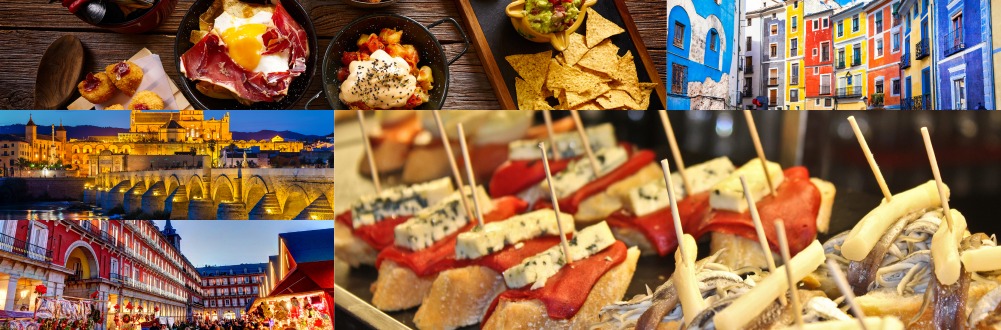
Every region of Spain has its own special cuisines and flavors, making Spanish food as rich and varied as its culture. Bold flavors, olive oil, and locally sourced, fresh ingredients are hallmarks of traditional Spanish cooking. Small appetizer quantities known as tapas are common and vary by location.
Seafood, such as "pulpo a la gallega" (octopus with paprika), is the mainstay of the northern cuisine. Hearty, meat-based foods like "cocido madrileño" (a stew prepared in the Madrid style) are popular in central Spain, whereas gazpacho, a cool tomato soup, and "flamenquín" (breaded pig or ham) are popular in southern Andalusia.
2. Recommendations for Restaurants, Eateries, and Food Experiences
Visiting local markets like Barcelona's La Boqueria, where a wide variety of prepared dishes and fresh products are available. Restaurants like Mugaritz in San Sebastián and El Celler de Can Roca in Girona provide cutting-edge culinary experiences for upscale dining. For a warm, genuine experience, visit neighborhood restaurants and tapas bars like Quimet & Quimet in Barcelona. It is advised to engage in culinary tours to try different local cuisines and discover the nation's rich culinary history.
Wine and Beverages
B. Wine and Beverages
1. Insight into Spanish Wine and Beverage Culture
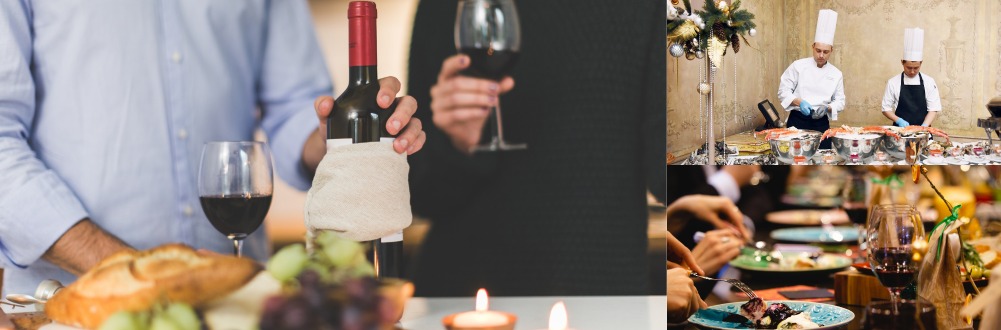
With the country's wide variety of indigenous grape varieties and wine styles, it is one of the most important and varied wine-producing countries. Every wine area in the nation has its own unique climate and winemaking customs. Jerez is the birthplace of sherry, a fortified wine, while Rioja and Ribera del Duero are known for their excellent red wines.
Along with the refreshing "tinto de verano," which is a combination of red wine and soda or lemonade, sangria, which is a blend of red wine, fruit juices, soda water, fruit, and occasionally liqueurs, is a popular beverage, particularly in tourist destinations.
2. Recommendations for Wine Tours, Tastings, and Local Beverages to Try
Explore the wine-making process, partake in tastings, and discover various grape kinds by going on a wine tour in areas like La Rioja or Penedès. While Bodega Torres in Penedès offers a wider variety of experiences, Bodegas López de Heredia in Haro, La Rioja, offers an insight into traditional winemaking. For a cuisine and cultural experience, go to wine festivals such as the Haro Wine Festival. Don't forget to check out "sidra" (cider) in Asturias and horchata, a typical Valencian beverage prepared from tiger nuts.

VI. Shopping and Souvenirs
A. Shopping Destinations
1. Overview of Major Shopping Destinations and What They Offer
From upscale luxury brands to charming rural markets, Spain offers a wide variety of shopping destinations. For instance, Barcelona's Passeig de Gràcia, which features well-known Spanish and foreign designers, is a center for luxury shopping. The Gran Vía in Madrid is a busy boulevard with a variety of local and international stores, theaters, and restaurants.
Every town and city has its own markets where both locals and visitors may purchase antiques, handmade goods, and fresh fruit. One of the most famous flea markets is El Rastro in Madrid, which sells a wide range of goods like clothing, antiques, and handcrafted crafts.
2. Recommendations for Local Markets, Boutiques, and Malls
Mercado de la Cebada in Madrid and La Boqueria in Barcelona are must-see locations for distinctive and locally produced goods. Visit neighborhood shops in Barcelona's El Born neighborhood to find handcrafted items, textiles, and ceramics. There are charming stores in the Marbella Old Town that sell regional crafts and artisanal goods. While the Moda Shopping Mall in Madrid or the Diagonal Mar Shopping Center in Barcelona offers a more traditional shopping experience.
B. Local Crafts and Souvenirs
1. Description of Local Crafts, Artisan Products, and Unique Souvenirs
Most of Spain's regional crafts and artisan goods reflect the country's rich cultural legacy, with their elaborate designs and vivid hues, traditional ceramics are well-liked mementos that showcase the Moorish influence in southern Spain. Ubrique is a well-known hub for leather crafting which is excellent for producing quality leather goods, such as belts and handbags and that are easily accessible. "Mantones de Manila," or hand-embroidered shawls, are beautiful garments with vibrant flower designs.
Valencia-made Lladro porcelain figures, which symbolize Spanish artistry and craftsmanship, are distinctive and superior mementos. "Abanicos," traditional "espadrilles" shoes, and Spanish fans are all well-liked mementos that each convey a tale of the local way of life.
2. Recommendations on Where to Buy Authentic and Quality Products
Visit Seville's Triana neighborhood, which is well-known for its ceramic workshops and boutiques. You might want to consider Andalusia, a top destination for high-end leather goods which is known as Ubrique. In order to obtain genuine "mantones de Manila," visit the neighborhood shops located in Madrid. Traditional espadrilles can be obtained at La Manual Alpargatera in Barcelona, while a variety of Lladro figures are available at the company's Valencia store.