
Living
Cost of Living | Healthcare and Facilities | Education System | Safety and Security | Utilities and Services | Social Integration and Communities
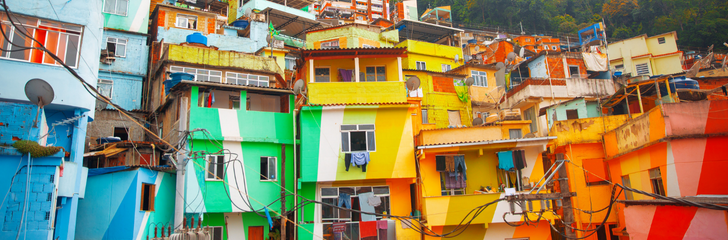
Cost of Living in Brazil
If you’re traveling to Brazil — or planning a longer term move there — it’s important to know about the currency you’ll need to use.
The official Brazilian currency is the Brazilian real. Each real is divided into 100 centavos, and the official currency code to watch out for is BRL. You’ll see this on currency exchange stores and online when using a currency conversion tool.
Cost of Living in Brazil:
| Item | Cost in Brazil |
| Meal — inexpensive restaurant | 5.65 USD |
| Meal for 2, 3 courses, mid-range restaurant | 29.30 USD |
| Cappuccino | 1.72 USD |
| Coke (12 oz bottle) | 1.12 USD |
| Water (12 oz bottle) | 0.69 USD |
Cost of Living in Brazil Based on Location:
| Cost/city | São Paulo | Rio de Janeiro | BrasÃlia | Belo Horizonte |
| Meal for 2, 3 courses, mid-range restaurant | 41.86 USD | 31.39 USD | 37.67 USD | 31.39 USD |
| Rent 1 bedroom, city center | 604.68 USD | 425.37 USD | 400.36 USD | 333.45 USD |
| Utilities (915 sq ft apartment) | 72.99 USD | 111.54 USD | 86.11 USD | 81.35 USD |
| 1 way local transport ticket | 0.94 USD | 1.03 USD | 1.15 USD | 0.94 USD |
| 1 mile in a taxi | 1.35 USD | 1.85 USD | 1.60 USD | 2.19 USD |
| International primary school, 1 year per child | 12,718 USD | 7,444 USD | 9,884 USD | 3,859 USD |
Average monthly expenses:
| Cost of Living | Brazil average |
| Family of 4 cost of living without rent | 2025 USD |
| Single person cost of living without rent | 571 USD |
Source:Cost of Living in Brazil
Income and Salaries
Average Income Levels
The average monthly income includes transportation costs, housing costs, and other employee benefits as well.
Brazil has a higher average salary than other Latin American countries like Colombia (1200 USD). However, it’s still comparatively lower than developed countries like the USA and other European countries.
| | Salary |
| Average Monthly Wage | 8,560 BRL |
| Median salary | 7,450 BRL |
| Maximum and minimum salary range | 2,170 BRL - 38,200 BRL (Maximum - Minimum) |
Average wages in Brazil vary widely based on the type of work and the location. One good resource to look at is Teleport, which has salary averages for different job types across many major global cities, which you can review to see what you may earn if you moved overseas.
Average wage in Brazil for different job types
| Role | Annual salary |
| Finance manager | 65,931 USD |
| Project manager | 46,568 USD |
| Attorney | 40,644 USD |
| Accountant | 35,774 USD |
| Software engineer | 31,749 USD |
Average annual salary increment percentage
Employees in Brazil are most likely to get a salary increment of approximately 9% every 16 months. The average salary increment in one year is 7%.
Although an annual salary increment usually means getting a pay raise after every 12 months, that isn’t always the case.
The increment rate varies a lot across different industries and domains. For example, people with a job in the construction industry get the highest pay increase of 9%.
Here’s an annual increment data based on industry types in Brazil.
| Industry | Annual Increment (in percentage) |
| Banking | 3% |
| Energy | 6% |
| Information Technology | 9% |
| Healthcare | 3% |
| Travel | 6% |
| Construction | 9% |
| Education | 3% |
The Brazilian city of Salvador pays the highest average salary of around 684,164 Brazilian Real.
Here’s the wage comparison table by profession.
| City | Average Salary (per year) |
| Salvador | 684,164 BRL |
| Maceió | 535,669 BRL |
| Campo Grande | 499,386 BRL |
| Guarulhos | 493,667 BRL |
| Ribeirão Preto | 467,518 BRL |
| Jaboatão dos Guararapes | 455,536 BRL |
| São Paulo | 343,459 BRL |
| Uberlândia | 326,870 BRL |
| Rio de Janeiro | 299,861 BRL |
| São José dos Campos | 289,351 BRL |
Source:Average Salary in Brazil

Healthcare and Facilities
Healthcare in Brazil is provided through a combination of public and private systems, offering a range of services to residents and visitors. Here's a summary of healthcare and facilities in Brazil:
Public Healthcare System (SUS):
- Brazil's public healthcare system, known as the Sistema Único de Saúde (SUS), provides free or low-cost healthcare services to all Brazilian citizens and legal residents.
- SUS facilities include hospitals, clinics, and primary care centers located throughout the country, serving as the primary source of healthcare for millions of Brazilians.
- Services offered by SUS include preventive care, primary care consultations, emergency treatment, surgeries, and access to medications.
Private Healthcare Sector:
- Brazil also has a robust private healthcare sector, which offers a higher standard of care and a wider range of services compared to the public system.
- Private healthcare facilities include hospitals, clinics, diagnostic centers, and specialty care providers, catering to individuals with private health insurance plans or the ability to pay out-of-pocket for services.
- Private healthcare in Brazil is known for its quality medical care, advanced technology, and shorter wait times for consultations and procedures.
Health Insurance:
- Private health insurance plans are widely available in Brazil, offering coverage for medical expenses, hospitalization, surgeries, and specialty care.
- Health insurance plans in Brazil vary in coverage, cost, and provider network, allowing individuals and families to choose plans that suit their needs and budget.
- Many employers offer health insurance benefits to their employees as part of their compensation packages.
Facilities and Infrastructure:
- Brazil has modern healthcare facilities and infrastructure, particularly in major urban centers and metropolitan areas.
- Hospitals and clinics in Brazil are equipped with state-of-the-art medical equipment, laboratories, and diagnostic imaging technologies.
- Medical professionals in Brazil, including doctors, nurses, and specialists, undergo rigorous training and education to ensure high standards of care.
Health Insurance
- Health insurance in Brazil is an essential component of the country's healthcare system, providing access to private medical services and facilities for individuals and families.
Types of Health Insurance Plans:
- Health insurance plans in Brazil vary in coverage, cost, and provider network. They are typically offered by private insurance companies, known as "operadoras de planos de saúde."
- There are different types of health insurance plans available, including individual plans, family plans, group plans (offered by employers), and supplementary plans (for those already covered by the public system).
Coverage and Benefits:
- Health insurance plans in Brazil typically cover a wide range of medical services, including consultations, hospitalizations, surgeries, laboratory tests, diagnostic imaging, medications, and preventive care.
- Coverage may vary depending on the type of plan and level of coverage selected. Some plans offer additional benefits such as dental care, vision care, and alternative therapies.
Cost and Premiums:
- The cost of health insurance premiums in Brazil varies depending on factors such as age, health status, geographic location, coverage options, and the insurance provider.
- Premiums for health insurance plans may be paid monthly, quarterly, or annually, with costs ranging from affordable to more expensive depending on the level of coverage and services included.
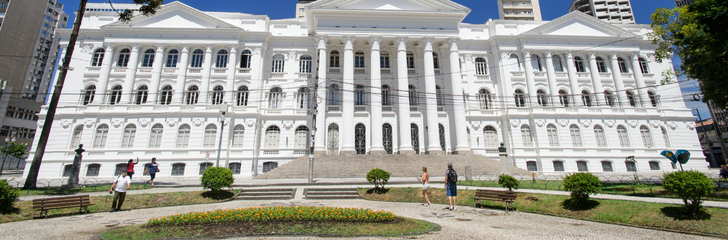
Education System
Brazil’s education system has primary, secondary, and tertiary levels.
Primary education is compulsory for Brazilians aged 7 to 14. At this level, students learn the fundamentals of reading and writing. They also study other subjects like science, history, and physical education.
The secondary level is for students aged 15 to 18. Brazil’s secondary education builds on what students learn at the primary level. It also introduces more specialized subjects like agriculture and languages.
Tertiary education includes university-level study and vocational training. Brazilian students pursue tertiary education to specialize in a particular field and increase their job prospects. Tertiary education is not mandatory.
Availability of Schools
Urban vs. Rural Disparities:
- Urban areas typically have better access to schools compared to rural and remote regions.
- Rural areas may face challenges such as limited infrastructure, fewer qualified teachers, and long distances to travel to schools.
Population Density and Demographics:
- Schools are more densely concentrated in densely populated urban centers and metropolitan areas.
- In remote or sparsely populated regions, schools may be scarce, leading to limited access to education for some communities.
Quality of Schools
Public vs. Private Schools:
- Brazil has both public and private schools, with varying levels of quality and resources.
- Public schools, which serve the majority of students, may face challenges such as overcrowded classrooms, limited resources, and teacher shortages.
- Private schools often offer better facilities, smaller class sizes, and more resources, but they may be inaccessible to many due to cost.
Educational Resources and Infrastructure:
- School quality can be influenced by the availability of educational resources such as textbooks, teaching materials, libraries, and computer labs.
- Infrastructure factors such as school buildings, classrooms, sanitation facilities, and playgrounds also impact the overall quality of education.
Teacher Quality and Training:
- The quality of teaching staff significantly influences school quality and student outcomes.
- Qualified and motivated teachers who receive ongoing training and professional development contribute to better educational experiences for students.
Curriculum and Learning Outcomes:
- The effectiveness of the curriculum and teaching methods can impact student learning outcomes.
- Schools that offer engaging, relevant, and student-centered learning experiences tend to produce better academic results and foster critical thinking, creativity, and problem-solving skills.
Safety and Security
Crime Rate
Overview of Crime Rates
Crime rates in Brazil have been a longstanding concern, reflecting complex social, economic, and institutional challenges.
addressing crime rates in Brazil requires comprehensive approaches that address socioeconomic inequalities, strengthen law enforcement and judicial systems, and invest in community-based interventions and prevention efforts. While progress has been made in certain areas, sustained efforts and collaboration are needed to mitigate the impact of crime and improve public safety across Brazil.
Violent Crime:
Homicide Rates: Brazil has historically had high homicide rates, particularly in urban areas and marginalized communities. Factors contributing to high homicide rates include poverty, inequality, drug trafficking, gang violence, and firearms proliferation.
Armed Robbery and Theft: Armed robbery and theft are prevalent in Brazil, with incidents occurring in public spaces, residential areas, and commercial establishments. Criminal groups often target individuals, businesses, and tourists, leading to concerns about personal safety and property crime.
Organized Crime:
Drug Trafficking and Gang Violence: Brazil is a major transit and consumer market for illicit drugs, fueling organized crime and gang-related violence in urban centers. Drug trafficking organizations, known as "factions," operate in favelas (informal settlements), controlling territory and engaging in violent confrontations with rival groups and law enforcement.
Militia Groups: Militia groups, comprised of current and former police officers, firefighters, and security personnel, operate in some areas, exerting control through extortion, protection rackets, and vigilantism.
Property Crime:
Theft and Burglary: Property crime, including theft, burglary, and car theft, is widespread in urban areas, particularly in crowded public spaces and tourist destinations. Lack of effective policing and socioeconomic disparities contribute to the prevalence of property crime.
Challenges and Responses:
Underreporting and Impunity: Underreporting of crime and impunity for perpetrators remain significant challenges, undermining public trust in law enforcement and the justice system. Weaknesses in investigation, prosecution, and judicial processes hinder efforts to address crime effectively.
Policing and Law Enforcement: Law enforcement agencies, including federal, state, and municipal police forces, face resource constraints, corruption, and operational challenges in combating crime. Efforts to improve police training, equipment, and community engagement are ongoing, aiming to enhance public security and trust.
Social Interventions and Prevention: Social interventions, such as community policing, youth programs, education, and economic development initiatives, seek to address root causes of crime and violence. Collaboration between government agencies, civil society organizations, and international partners is essential for implementing effective crime prevention strategies.
Emergency Services
Availability and Reliability
Emergency services in Brazil play a crucial role in providing rapid response and medical assistance during emergencies.
Emergency services in Brazil are essential for providing timely and lifesaving assistance during emergencies. While challenges such as resource constraints and capacity limitations exist, continuous investment, training, and innovation are essential for improving the availability, reliability, and effectiveness of emergency services nationwide.
Contact Information and Procedures
In case of Emergency
- SAMU (Mobile Emergency Medical Service): 192
- Fire Department (Corpo de Bombeiros): 193
- Police (PolÃcia Militar): 190

Utilities and Services
Utility Services
Availability and Reliability
The availability and reliability of utility services in Brazil, along with their associated costs, vary depending on several factors including location, infrastructure, and local regulations.
Electricity: The cost of electricity in Brazil varies depending on consumption levels and tariff structures. Residential electricity rates are regulated by the government and vary by state and utility provider.
Water and Sanitation: Water supply reliability can vary, with some regions experiencing intermittent water shortages or service disruptions. Sanitation services may also vary in reliability, particularly in areas with inadequate infrastructure.
Natural Gas: Reliability of natural gas supply depends on infrastructure maintenance and operational efficiency. Service interruptions may occur but are generally infrequent in well-established urban areas.
Telecommunications: Reliability of telecommunications services is generally high in urban areas but may vary in remote regions. Service disruptions can occur due to network maintenance, weather events, or technical issues.
Monthly Utility Bills
When considering housing costs, it is also essential to consider the added cost of utilities that will be applicable.
| Utility Type | Average Price (BRL)* | Price Range (BRL)* |
| Basic (Electricity, Water, Cooling, Garbage) | R$370 | R$240 – 700 |
| Mobile Phone Call Plans with 10 GB+ Data | R$100 | R$50 – 120 |
| Internet (60 Mbps or more, Cable, ADSL) | R$100 | R$80 – 150 |
Source:Cost of Living in Brazil
Internet and Telecommunications
Internet Service Providers
Internet service providers (ISPs) in Brazil offer a variety of internet plans with different speeds, data caps, and prices. Here's an overview of some major ISPs and their typical prices for residential internet plans:
Claro (Claro Brasil):
- Claro offers broadband and fiber optic internet plans with speeds ranging from 10 Mbps to 500 Mbps.
- Prices for Claro internet plans start at around BRL 69.90 per month for basic packages and increase based on speed and additional features.
Vivo (Telefônica Brasil):
- Vivo provides broadband and fiber optic internet services with speeds ranging from 25 Mbps to 300 Mbps.
- Prices for Vivo internet plans start at approximately BRL 119.99 per month for entry-level packages and vary based on speed and bundled services.
NET (Now Claro NET):
- NET, now part of Claro Brasil, offers cable internet plans with speeds ranging from 10 Mbps to 500 Mbps.
- Prices for NET internet plans start at around BRL 69.90 per month for basic packages and increase depending on speed and additional services.
TIM Brasil:
- TIM Brasil offers broadband and fiber optic internet plans with speeds ranging from 25 Mbps to 400 Mbps.
- Prices for TIM internet plans start at approximately BRL 80 per month for basic packages and vary based on speed and contract termsOi (Oi S.A.):
- Oi provides broadband and fiber optic internet services with speeds ranging from 15 Mbps to 400 Mbps.
- Prices for Oi internet plans start at around BRL 69.90 per month for entry-level packages and increase based on speed and additional features.
Algar Telecom:
- Algar Telecom offers broadband and fiber optic internet plans with speeds ranging from 10 Mbps to 500 Mbps.
- Prices for Algar Telecom internet plans start at approximately BRL 89.90 per month for basic packages and vary based on speed and contract terms.
These prices are approximate and may vary based on location, promotions, and additional services bundled with the internet plans. Additionally, ISPs in Brazil often offer discounts for customers who subscribe to bundled services such as television, phone, and mobile plans. It's advisable to check with individual ISPs for the most up-to-date pricing information and available promotions.
Social Integration and Communities
Societal norms in Brazil reflect the country's rich cultural heritage, diverse population, and historical influences. Here's an overview of some key societal norms in Brazil:
Social Interactions and Warmth:
- Brazilians are known for their warmth, friendliness, and hospitality towards both locals and foreigners.
- Social interactions are often characterized by physical contact, such as hugs, kisses on the cheek, and handshakes.
Respect for Diversity:
- Brazil is a multicultural and ethnically diverse country, and respect for diversity is a fundamental societal norm.
- Brazilians are proud of their mixed heritage and celebrate cultural diversity in music, dance, food, and festivals.
Hierarchical Structures:
- Hierarchical structures exist in various aspects of Brazilian society, including in the workplace, schools, and government.
- Respect for authority and deference to superiors are common norms in organizational settings.
Gender Roles and Equality:
- Traditional gender roles persist in some areas of Brazilian society, though attitudes are evolving.
- Women have made significant strides in education, workforce participation, and political representation, but gender disparities still exist.
Spirituality and Religion:
- Religion plays a significant role in Brazilian society, with the majority of the population identifying as Christian, predominantly Catholic or Protestant.
- Religious practices and beliefs often influence social norms, cultural traditions, and community life.
Communities and Networking
Availability of Expatriate Communities
Brazil hosts a significant expatriate community, particularly in major cities and tourist destinations. Expatriates in Brazil come from diverse backgrounds and nationalities, drawn to the country for various reasons including work opportunities, lifestyle, and cultural experiences.
Networking Opportunities
Networking opportunities abound in Brazil, facilitated by its dynamic business environment, diverse cultural scene, and vibrant social interactions.
Language and Communication
Importance of Knowing Portuguese
Knowing the language and effective communication are crucial elements for success in any context, including personal, professional, and social interactions
Here's why they are important:
- Facilitating Understanding and Connection
- Building Relationships and Trust
- Enhancing Collaboration and Teamwork
- Expanding Opportunities
- Promoting Inclusivity and Diversity
- Facilitating Learning and Personal Growth
- Resolving Conflicts and Misunderstandings
- Advancing Career and Professional Development
Knowing the language and mastering effective communication skills are indispensable assets that empower individuals to connect, collaborate, and thrive in diverse personal, professional, and cultural contexts. Investing in language learning and communication development yields invaluable benefits and enriches lives in profound ways.
Availability of Language Learning Resources
Language learning resources are widely available in Brazil, catering to learners of various ages, proficiency levels, and language goals.