
Living
Cost of Living | Healthcare and Facilities | Education System | Safety and Security | Utilities and Services | Social Integration and Communities
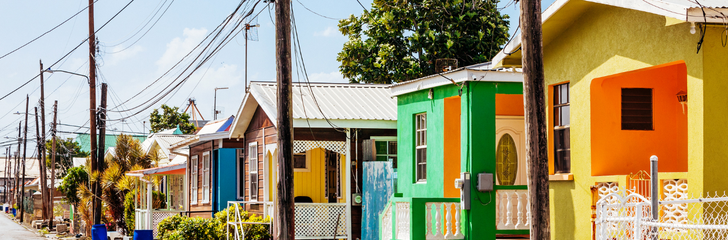
Cost of Living
Living Expenses:
- Living expenses in Barbados can vary based on factors like location, lifestyle, and individual choices.
- Major components include housing costs (rent or mortgage), utilities, groceries, transportation, healthcare, and miscellaneous expenses.
- Costs may differ between urban and rural areas, with city centers generally having higher living expenses.
| Region | City Center (1-bedroom) | Outside Center (1-bedroom) |
| Bridgetown | BBD 2,000 - 3,500/month | BBD 1,500 - 2,500/month |
| Other Areas | BBD 1,800 - 3,000/month | BBD 1,300 - 2,200/month |
Income and Salaries:
- Income and salary levels in Barbados vary across industries, occupations, and experience levels.
- Key sectors such as finance, information technology, and tourism may offer higher earning potential.
- Actual income depends on factors such as education, skills, and the specific employer.
- Individuals are advised to consult local salary surveys, government statistics, or employment agencies for accurate and up-to-date information on income levels in Barbados.
Healthcare and Facilities
Healthcare System:
- Barbados has a public healthcare system that provides medical services to residents and citizens.
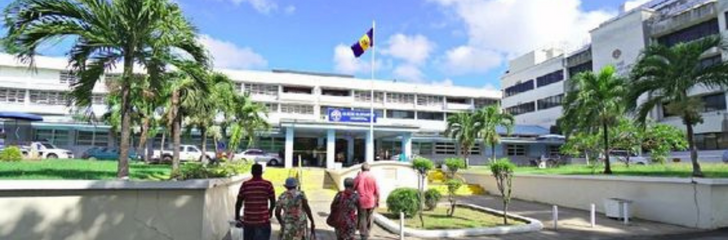
- The Queen Elizabeth Hospital, located in Bridgetown, is the major public hospital in the country.
- Additionally, there are polyclinics and health centers distributed across the island, offering primary healthcare services.
Health Insurance:
- While Barbados has a public healthcare system, many residents and expatriates also opt for private health insurance for additional coverage.
- Private health insurance plans are available through various providers and can offer benefits such as coverage for private clinics, elective surgeries, and additional services not covered by the public system.
- Expatriates and individuals with specific healthcare needs often find private health insurance valuable for access to a broader range of medical services.
Education System
Schooling
Structure of the Education System:
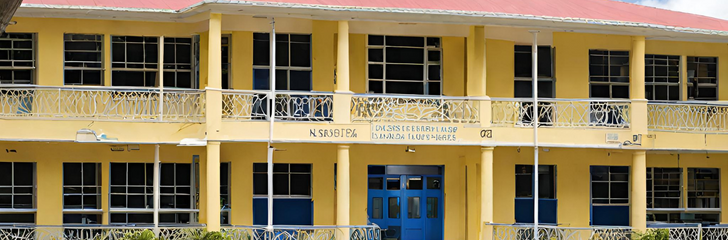
- Primary Education: Primary education in Barbados typically spans six years, starting at age 5. Students then move on to secondary education.
- Secondary Education: Secondary education consists of a five-year program, typically from ages 11 to 16. Students take the Caribbean Secondary Education Certificate (CSEC) examination at the end of this stage.
- Post-Secondary or Tertiary Education: After completing secondary education, students can pursue further studies at post-secondary institutions. This includes technical and vocational training as well as academic programs.
Higher Education
- Barbados has a well-developed higher education system.
- The University of the West Indies (UWI) Cave Hill Campus, located in Barbados, is a prominent institution offering a range of undergraduate and postgraduate programs.
Overview of Universities:
- University of the West Indies (UWI) Cave Hill Campus:
- The UWI Cave Hill Campus is one of the regional campuses of the University of the West Indies, a renowned institution in the Caribbean.
- It offers a diverse range of programs in various disciplines, including humanities, sciences, social sciences, and business.
- The campus is a hub for academic and cultural activities, contributing to the intellectual and social development of students.
Safety and Security
Crime Rate:
- Barbados generally has a lower crime rate compared to some other countries in the region.
- Crimes such as petty theft and burglary can occur, particularly in tourist areas, but violent crime is relatively rare.
- Local authorities and law enforcement agencies actively work to maintain public safety and security.
| Crime Type | Prevalence | Regions Commonly Affected |
| Petty Theft/Burglary | Moderate | Tourist areas, urban centers |
| Violent Crimes | Relatively Low | Generally low across the island |
| Drug-related Offenses | Varied | Urban areas, some coastal regions |
| Cybercrime | Moderate | Nationwide |
Emergency Services:
- Police: The Royal Barbados Police Force is responsible for law enforcement across the island. Emergency services can be contacted by dialing 211 for police assistance.
- Ambulance and Medical Emergencies: Emergency medical services are provided by the Queen Elizabeth Hospital and other medical facilities. Dialing 511 can connect you to emergency medical services.
- Fire and Rescue: The Barbados Fire Service is responsible for handling fire emergencies and providing rescue services. In case of a fire or other emergencies, dial 311 for assistance.
- Coast Guard: The Barbados Coast Guard is responsible for maritime security and search and rescue operations. For maritime emergencies, contact the Coast Guard through the police emergency number 211.

Utilities and Services
Utility Services:
- Barbados provides essential utility services to its residents, including water, electricity, and sanitation.
- The Barbados Water Authority (BWA) is responsible for water supply and distribution.
- The Barbados Light & Power Company Limited is the primary electricity provider on the island.
- Sanitation services, including waste collection and disposal, are managed by the Sanitation Service Authority (SSA).
Internet and Telecommunications:
- Barbados has a well-developed and modern telecommunications infrastructure.
- Internet services are widely available, and several providers offer broadband and mobile internet options.
- Major telecommunication companies in Barbados include the Barbados Telecommunications Company Limited (FLOW) and Digicel.
- Mobile phone coverage is extensive across the island, providing reliable voice and data services.
- Wi-Fi is commonly available in public spaces, hotels, and businesses.
Social Integration and Communities
Social Integration:
Barbados is known for its warm and friendly community, making social integration relatively smooth for residents and visitors. Social activities often revolve around cultural events, festivals, and communal gatherings.
Overview of Societal Norms:
- Respect and politeness are highly valued in Barbadian society.
- Strong community ties are common, and neighbors often have close relationships.
Communities and Networking:
- Communities in Barbados often have a strong sense of unity, and people tend to be actively involved in local events.
- Networking is essential in both personal and professional contexts, with many opportunities for socializing and building connections.
Language and Communication:
- English is the official language, and Bajan Creole is also spoken informally.
- Communication is generally direct and courteous, with a blend of formality and informality depending on the context.
Importance of Knowing English:
- English is crucial for effective communication in both social and professional settings.
- While many Barbadians are multilingual and may speak Bajan Creole, English remains the primary language for official and business communication.
- Knowing English is advantageous for newcomers, facilitating integration into various aspects of life, from work to social interactions.