
About
Overview | Climate and Geography | Demographics | Culture and Heritage | Language and Communication
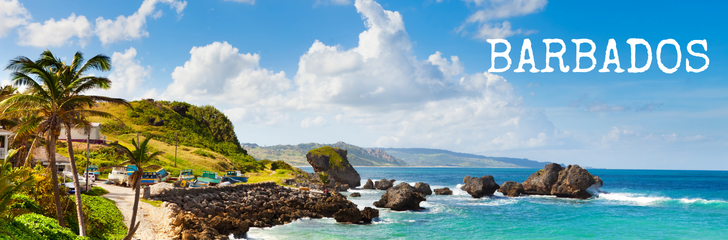
Overview
Brief History of Barbados
Formation and Early History:
Barbados, originally inhabited by Arawak and Carib peoples, witnessed English colonization in 1627 under Captain Henry Powell. The island became a British colony with a thriving sugar industry fueled by African slave labor. A racialized social structure emerged, defining much of its early history.
Recent History (20th and 21st Century):
Barbados gained independence in 1966, establishing a stable democratic government. Economic diversification, especially into tourism, has driven development, resulting in a relatively high standard of living. Challenges like income inequality persist, and the 21st century brought global concerns such as climate change impacts. In 2021, Barbados transitioned to a republic, a historic move symbolizing national pride and sovereignty.
Political Structure:
Barbados has a stable democratic political structure, operating as a parliamentary democracy within the framework of a constitutional monarchy. The political landscape is characterized by the presence of two major parties, the Barbados Labour Party (BLP) and the Democratic Labour Party (DLP). The country gained independence from British rule in 1966, maintaining its membership in the Commonwealth with a Governor-General as the ceremonial head of state. In 2021, Barbados transitioned to a republic, replacing the British monarch with a President as the ceremonial head of state.
Economy:
Barbados has experienced economic shifts over the years, initially relying heavily on sugar production during its colonial history. In recent decades, there has been a concerted effort to diversify the economy. Tourism and offshore finance have become key pillars, contributing significantly to the country's GDP. Efforts to attract international business and investment have played a role in economic development. Despite these advancements, challenges such as income inequality persist, and the nation navigates global economic fluctuations.
Education and Healthcare:
Barbados places a strong emphasis on education and healthcare. The government has made significant strides in improving educational opportunities, resulting in high literacy rates and a generally well-educated population.
The healthcare system is characterized by accessibility and quality, with efforts directed towards disease prevention and health promotion. The country has made progress in addressing public health challenges, but like many nations, it continues to face evolving health issues and the need for ongoing improvements in healthcare infrastructure and services.
Climate and Geography
Geography
Geography:
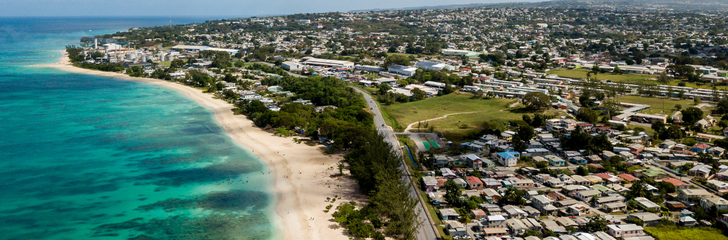
- Barbados is an eastern Caribbean island country located in the Lesser Antilles.
- Covers around 430 square kilometers, featuring a predominantly flat terrain.
- Central highland region is the primary elevation point, with a coastline adorned by white sandy beaches and coral reefs.
- Bridgetown, the capital and largest city, is situated on the southwestern coast.
Major Cities and Towns
| City | Parish | Notable For |
| Bridgetown | Saint Michael | Capital and Largest City |
| Holetown | Saint James | Historic Site of First English Landing |
| Speightstown | Saint Peter | Historic Architecture and Culture |
| Oistins | Christ Church | Fishing Village and Oistins Fish Fry |
| Bathsheba | Saint Joseph | Scenic Coastal Area and Surfing Spot |
| Garrison | Saint Michael | UNESCO World Heritage Garrison Historic Area |
Climate:
- Barbados experiences a tropical climate with consistent temperatures averaging around 27�C (80�F) throughout the year.
- Wet season spans from June to November, coinciding with the Atlantic hurricane season.
- During this period, the island may encounter heavy rainfall and the potential for tropical storms.
- Dry season, from December to May, is marked by lower humidity and reduced precipitation.
- The island's warm and inviting climate, coupled with beautiful beaches, makes it a favored tourist destination.
Best Time to Visit Barbados:
- Dry Season (December to May):
- Lower humidity and minimal rainfall.
- Ideal for outdoor activities.
- Peak tourist season from mid-December to mid-April.
- Shoulder Seasons:
- Late November to early December and late April to early June.
- Quieter with fewer crowds.
- Year-Round Pleasant Climate:
- Barbados offers enjoyable weather throughout the year.
Demographics
Population:
The current population of Barbados in 2023 is 281,995, a 0.13% increase from 2022. The population of Barbados in 2022 was 281,635, a 0.15% increase from 2021.
Ethnic Composition:
The population of Barbados is primarily of African descent, with Afro-Bajans forming the majority. There is also a significant minority of people of European descent, mainly of British origin.
Religion:
Christianity is the predominant religion in Barbados. The majority of Barbadians adhere to various Christian denominations, with Anglicanism, other Protestant denominations, and Roman Catholicism being the most prominent. Alongside Christianity, there is a growing presence of other religious beliefs and practices on the island.
Culture and Heritage
Festivals and Holidays
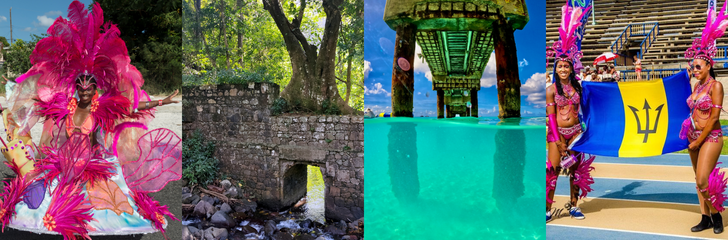
- Crop Over Festival: This is Barbados's most famous and lively festival, marking the end of the sugar cane harvest. It typically runs from June to the first Monday in August and includes colorful parades, calypso music, street parties, and cultural events.
- Independence Day: Celebrated on November 30th, Independence Day marks Barbados gaining independence from British rule in 1966. Festivities include parades, cultural performances, and national pride events.
- Holetown Festival: Held in February, this festival commemorates the landing of the first settlers in Holetown in 1627. It features street fairs, parades, traditional Bajan music, and cultural exhibitions.
- Oistins Fish Festival: Taking place over the Easter weekend in Oistins, this festival celebrates Barbados's fishing heritage. Events include fish boning competitions, boat races, and, of course, plenty of fresh seafood.
- Barbados Reggae Festival: An annual event celebrating reggae music, attracting both local and international artists. The festival usually takes place in April.
- Holders Season: Held at Holders House, this festival features a series of cultural events, including music, dance, theater, and art exhibitions. It often takes place in March and April.
- GospelFest: A series of gospel music events held in various locations across the island. It typically spans several weeks and includes concerts, worship services, and competitions.
Traditional Clothing and Cuisine
Traditional Clothing:
- For Women: Traditional Bajan clothing for women often includes the "national dress." This ensemble features bright and vibrant colors, with women wearing full skirts and headscarves. The skirts are typically made of lightweight fabrics, making them suitable for the warm Caribbean climate. The headscarves are often tied in elaborate styles, adding a touch of cultural flair.
- For Men: Traditional attire for men may include light and breathable fabrics such as linen or cotton shirts paired with comfortable trousers. During cultural events or performances, men may opt for more formal wear, including suits or traditional outfits that reflect the island's heritage.
Cuisine:
Barbadian cuisine is a delightful blend of African, British, and Caribbean influences, resulting in a diverse and flavorful array of dishes. Some notable examples include:
- Flying Fish and Cou-Cou: This is often considered the national dish of Barbados. Flying fish is typically seasoned and pan-fried, served alongside cou-cou, a dish made from cornmeal and okra, often compared to polenta.
- Bajan Pepper Pot: A hearty stew made with okra, eggplant, peppers, and meat (often pork), seasoned with herbs and spices. It's a flavorful representation of Bajan comfort food.
- Pudding and Souse: Pudding is a steamed sweet potato dish, and souse is a pickled pork dish. The combination of the sweet and savory elements creates a unique and satisfying flavor profile.
- Fish Cakes: A popular snack made from seasoned dough and fish (often salted cod), deep-fried to golden perfection. It's commonly enjoyed as a quick bite or appetizer.
- Coo-Coo and Flying Fish: Another preparation of flying fish, this time steamed with a cornmeal and okra mixture called coo-coo. It's a staple in many Bajan households.
- Conkies: A traditional Barbadian dessert made from cornmeal, pumpkin, coconut, and spices. It's typically steamed in a banana leaf and enjoyed during the Independence Day celebrations.
Art and Architecture
Art:
- Local Crafts: Skilled artisans produce a range of local crafts, including basketry, pottery, and woodcarving. These crafts often incorporate traditional designs and motifs.
- Public Murals: Barbados is adorned with colorful and expressive murals, especially in urban areas like Bridgetown. These murals often depict historical events, cultural symbols, and scenes reflecting the island's identity.
- Barbados Museum & Historical Society: This institution showcases a diverse collection of artifacts, art, and exhibits that delve into the island's history and cultural heritage.
Architecture:
- Colonial Plantation Houses: Barbados is known for its beautifully preserved plantation houses, such as St. Nicholas Abbey and Sunbury Plantation House. These structures showcase colonial architecture and offer a glimpse into the island's historical significance.
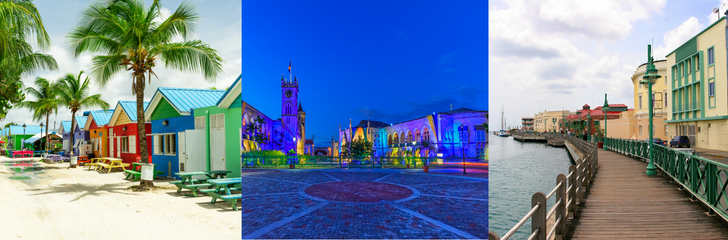
- Garrison Historic Area: Bridgetown's Garrison, a UNESCO World Heritage Site, features well-preserved military buildings and structures. The area showcases 17th and 18th-century British military architecture, including the historic George Washington House.
- Chattel Houses: These colorful, small wooden houses with distinctive architectural features are a common sight across Barbados. Originally movable and owned by plantation workers, chattel houses are now a symbol of Bajan identity.
- Modern Developments: In urban areas like Bridgetown, modern architecture coexists with historic buildings. Government structures, commercial spaces, and contemporary residences contribute to the island's evolving architectural landscape.
Music and Dance
Music:
- Calypso: Calypso music, with its roots in African and Caribbean traditions, has a significant presence in Barbados. Known for its lively rhythms and social commentary, calypso is a popular genre during festivals and celebrations.
- Reggae: Influenced by Jamaican reggae, Barbados has embraced this genre, incorporating its rhythmic beats and socially conscious lyrics into the local music scene.
- Soca: Soca music is a lively and energetic genre that originated in Trinidad and Tobago. It has gained popularity in Barbados, especially during the annual Crop Over Festival, where soca competitions and performances take center stage.
- Spouge: Spouge is a genre that originated in Barbados in the 1960s. Characterized by its distinctive beat and fusion of jazz, R&B, and Caribbean elements, spouge had a significant impact on the island's music scene.
- Contemporary and Pop Music: Barbados has produced internationally acclaimed pop and contemporary artists. Rihanna, one of the world's best-selling music artists, hails from Barbados and has played a crucial role in promoting the island's music globally.
Dance:
- Landship: The Landship is a traditional Barbadian dance that originated in the 19th century. It incorporates movements mimicking the sailing of ships and is often performed during cultural events and festivals.
- Tuk Band: The Tuk Band is a lively street performance that combines music and dance. Musicians play traditional instruments, and dancers move to the energetic beats, creating a dynamic and engaging spectacle.
- Contemporary Dance: In addition to traditional forms, contemporary dance has found a place in Barbados's cultural landscape. Dance companies and performers often blend modern and traditional elements in their choreography.
- Festival Dances: During festivals like Crop Over, traditional and contemporary dance forms take center stage. Colorful and rhythmic performances contribute to the festive atmosphere of these celebrations.
UNESCO World Heritage Sites
Historic Bridgetown and its Garrison:
- This site encompasses the historic district of Bridgetown, the capital of Barbados, and its adjoining Garrison. The Garrison is a well-preserved 18th-century British garrison and naval dockyard, showcasing military structures, historic buildings, and Bridgetown's colonial architecture. The site bears witness to Barbados's historical role in Atlantic trade, colonization, and as a military stronghold. Notable features include the George Washington House, where the first U.S. President stayed, and the Barbados Parliament Buildings.

Language and Communication
Official Language
The official language of Barbados is English. English is used in government, education, and official communication throughout the island. The use of English reflects the country's colonial history as a British territory until gaining independence in 1966. The English spoken in Barbados has its own distinctive accent and local vocabulary, influenced by the island's cultural and historical context.
English Proficiency
Barbados has a high level of English proficiency. As the official language, English is used in education, government, business, and daily communication. The educational system in Barbados is conducted in English, and the population generally has a strong command of the language. English proficiency is an asset in various sectors, including tourism, which is a significant industry for the country.
The English spoken in Barbados often carries a distinct local accent and may include some unique expressions and vocabulary. Overall, communication in English is smooth, and visitors will find it easy to navigate the island with the language.
Communication Style:
Formality and Informality in Communication:
- Barbadian communication style is generally warm, friendly, and informal, reflecting the laid-back and welcoming culture of the island.
- In everyday interactions, people often use informal language and may address each other by first names, even in professional settings.
- Despite the informal tone, there is an underlying respect for courtesy and politeness, and individuals may use titles and formal language when appropriate, especially in business or official contexts.
Non-verbal Communication Cues and Conventions:
- Non-verbal communication is an essential aspect of Barbadian communication and is often used to convey emotions, agreement, or disagreement.
- Eye contact is generally expected and is seen as a sign of attentiveness and engagement in the conversation.
- Gestures and body language are expressive, and individuals may use their hands and facial expressions to emphasize points or convey emotions.
- Personal space is valued, and while Barbadians are generally warm and friendly, it's important to be mindful of maintaining an appropriate distance in conversations.