
Work and Business
Economy Overview | Remote Work Conditions | Local Business Environment | Legal and Regulatory Environment | Transport and Infrastructure

Economy Overview of Argentina
Argentina's economy is diverse, with agriculture serving as a historical cornerstone. The country is a leading global exporter of soybeans, corn, and beef, contributing significantly to its GDP. The industrial sector encompasses manufacturing, particularly in automotive and machinery production. Additionally, a growing services sector, including finance, tourism, and information technology, has become integral to the economy.
However, economic challenges, such as high inflation and periodic recessions, have posed hurdles for businesses and investors. Currency fluctuations and a complex tax system add layers of complexity to the economic landscape.
Economic Landscape
- Agriculture: Argentina is a major player in global agricultural markets, leveraging its fertile lands. The sector, however, faces challenges such as weather-related issues and fluctuations in global commodity prices.
- Industry: The industrial sector, especially manufacturing, plays a crucial role. The automotive industry, in particular, has been a significant contributor to exports. Challenges include competition, technological advancements, and the need for sustainable practices.
- Services: The services sector, including finance and technology, has been expanding. Buenos Aires, the capital, is a hub for financial services and technology startups. The country's appeal as a tourist destination also fuels the growth of the hospitality and entertainment industries.
Job Market
- Key Sectors: Employment opportunities are diverse, spanning agriculture, manufacturing, services, and technology. Agriculture offers jobs in farming, agribusiness, and research. Manufacturing provides opportunities in automotive, machinery, and food processing. The services sector encompasses finance, tourism, and information technology.
- Language Requirements: Proficiency in Spanish is often a prerequisite for many jobs. However, multinational companies and technology startups may require proficiency in English, opening up opportunities for bilingual professionals.
- Competitive Environment: The job market can be competitive, and networking is crucial. Building connections through professional organizations and online platforms can enhance job prospects.
Investment Climate
- FDI Opportunities: Argentina has attracted foreign direct investment (FDI), particularly in sectors like energy, mining, and technology. The country's natural resources and a growing consumer market present attractive prospects for investors.
- Risk Factors: However, potential investors should be mindful of economic and political uncertainties. Changes in government policies, fluctuations in the regulatory environment, and currency volatility can impact business operations.
- Navigating Regulations: Understanding and navigating the legal and regulatory landscape is crucial. Adherence to local business practices, compliance with tax regulations, and awareness of potential risks contribute to successful business operations.

Remote Work Conditions
Argentina's embrace of remote work reflects a dynamic response to global shifts in the nature of work. Propelled by advancements in technology and a reevaluation of traditional workplace structures, Argentina has witnessed a notable transition towards flexible work arrangements. Below, we delve into the intricate details of remote work conditions in the country.
Remote Work Culture
- Hybrid Work Models: Many Argentine companies have adopted hybrid work models, recognizing the value of a flexible approach. This allows employees to choose when and where they work, striking a balance between the benefits of in-person collaboration and the autonomy of remote settings.
- Communication Tools: Virtual communication tools have become essential components of remote work culture. Platforms such as Slack facilitate real-time communication, while video conferencing tools like Zoom enable face-to-face interactions, fostering team cohesion and ensuring efficient collaboration.
- Inclusive Practices: The shift towards remote work in Argentina has promoted inclusivity. Companies actively work towards ensuring that remote employees feel connected and engaged, implementing practices to prevent feelings of isolation and to maintain a cohesive company culture.
Work-Life Balance
- Flexibility in Schedules: Remote work in Argentina prioritizes flexibility in scheduling. Employees are empowered to structure their work hours according to their individual needs, enabling them to balance professional responsibilities with personal commitments.
- Wellness Initiatives: Employers place a significant emphasis on employee well-being. Initiatives promoting mental health, stress management, and a healthy work-life balance are integrated into remote work policies, aiming to create a supportive and sustainable work environment.
- Boundary Setting: Acknowledging the potential challenges of remote work, companies actively encourage employees to set clear boundaries between work and personal life. This proactive approach helps mitigate the risk of burnout and enhances overall job satisfaction.
Internet and Technology
- Connectivity Challenges: While major cities in Argentina generally boast reliable internet infrastructure, some remote or rural areas may face connectivity challenges. To address this, companies often provide resources or financial support to ensure all employees have access to high-speed internet.
- Technology Investment: The adoption of cloud-based tools and secure virtual private networks (VPNs) is widespread. This not only ensures efficient collaboration but also addresses security concerns associated with remote work. Companies invest in robust technological solutions to facilitate seamless remote operations.
In essence, Argentina's approach to remote work is characterized by a thoughtful integration of technology, a commitment to employee well-being, and a recognition of the importance of maintaining a cohesive company culture in a dispersed work environment. Staying abreast of specific organizational policies is crucial for individuals navigating the nuanced landscape of remote work in Argentina.

Local Business Environment
Understanding and respecting the local business environment in Argentina, including its cultural nuances and networking practices, is essential for success in establishing and growing a business in the country.
Starting a Business
- Legal Requirements: Registering a business in Argentina involves compliance with local regulations. Entrepreneurs need to choose a legal structure, obtain a tax ID, and register with the relevant authorities.
- Bureaucracy: Navigating bureaucratic processes can be time-consuming. Patience and understanding of local procedures are crucial.
- Language: While Spanish is the official language, some business-related documents may require translation. English proficiency varies, so having a local contact who is fluent in both languages can be beneficial.
- Local Partnerships: Establishing connections with local partners or consultants can help navigate regulatory complexities.
Business Culture
- Relationship-Oriented: Business relationships in Argentina are often built on trust and personal connections. Building rapport through social interactions is valued.
- Formality: Initial meetings may involve formalities, such as handshakes and exchanging business cards. Building a personal connection before discussing business matters is common.
- Hierarchy: Respect for hierarchy is important. Decision-making may involve consultation with higher-ups, so patience is key.
- Work-Life Balance: Business meetings may extend beyond official hours, and lunch breaks are considered an important time for networking and relationship-building.
Networking Opportunities
- Business Associations: Argentina has various industry-specific business associations and chambers of commerce that offer networking events and resources for entrepreneurs.
- Social Events: Networking often occurs in social settings. Attending events like dinners, cultural gatherings, and sports events can provide opportunities to connect with business professionals.
- Online Platforms: Utilizing online platforms and social media for professional networking is becoming more common. LinkedIn is widely used for business connections.
- Word of Mouth: Recommendations and referrals carry weight in the Argentine business culture. Establishing a positive reputation is crucial for networking success.

Legal and Regulatory Environment
Navigating Argentina's legal and regulatory environment requires a thorough understanding of business laws, employment regulations, and taxation. Adhering to these frameworks is essential for the successful establishment and operation of businesses in the country.
Business Laws and Regulations
- Corporate Structure: Choosing a legal structure is critical, with options including Sociedad An�nima (SA) and Sociedad de Responsabilidad Limitada (SRL). Each structure has specific requirements and implications.
- Commercial Code: Argentina follows a Civil Law system, and its Commercial Code regulates business transactions, contracts, and corporate governance.
- Intellectual Property: Strict enforcement of intellectual property rights is crucial. Registration and protection of trademarks, patents, and copyrights are governed by specific laws.
Employment Laws
- Labor Contracts: Employment contracts must comply with the Labor Contract Law. Specifics such as working hours, leave, and termination conditions are regulated.
- Collective Bargaining: Union activity is significant, and collective bargaining agreements may impact employment terms. Employers need to be aware of industry-specific regulations and agreements.
- Employee Benefits: Mandatory benefits include social security contributions, health insurance, and severance pay. Compliance with these regulations is essential to avoid legal issues.
Taxation
- Corporate Tax: Corporate income tax is levied on worldwide income. The standard rate is applicable, but certain provinces may impose additional taxes.
- Value Added Tax (VAT): VAT is levied on goods and services. Understanding the applicable rates and compliance requirements is crucial for businesses.
- Personal Income Tax: Residents are subject to progressive tax rates on their worldwide income. Non-residents are taxed only on Argentine-sourced income.
- Withholding Taxes: Various payments, such as dividends and royalties, are subject to withholding taxes. Compliance with these regulations is necessary for legal operations.
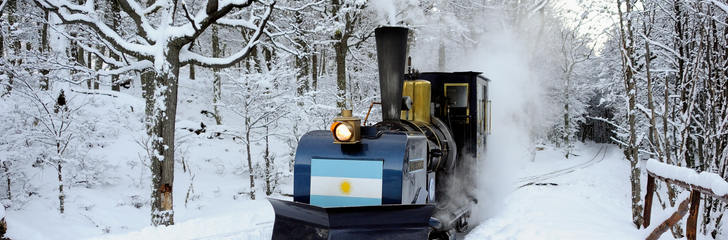
Transport and Infrastructure in Argentina
Public Transportation
Overview of Public Transport Availability and Reliability
Argentina's public transportation system features buses, subways (Subte), suburban and long-distance trains, taxis, and ride-sharing. Air travel and ferries are used for long-distance and water transport. Biking and walking are promoted in urban areas. Local variations exist, so check for the latest information.
Costs Associated with Using Public Transportation
Public transportation costs in Argentina vary by mode and location. Bus and subway fares are affordable, often paid with smart cards. Train, taxi, and ride-sharing costs depend on factors like distance. Domestic flights and ferry prices vary. Biking and walking generally have minimal expenses. Check with local authorities for the latest fare information.
Airports and International Travel
Major International Airports and Airlines Operating in Argentina
| Name | City | Airlines |
| Ministro Pistarini International Airport | Buenos Aires | 28 |
| Jorge Newbery Airpark | Buenos Aires | 7 |
| Ingeniero Ambrosio Taravella Airport | Cordoba | 5 |
| Islas Malvinas Airport | Rosario | 4 |
| Martin Miguel De Guemes International Airport | Salta | 3 |
Connectivity with Other Countries and Frequency of Flights
Argentina has strong international air connectivity through airports like Ezeiza in Buenos Aires. Flights are available to various destinations in North America, Europe, Asia, and South America, with frequencies subject to change.
Road and Rail Infrastructure
Quality of Roads and Availability of Rail Networks
Argentina boasts a diverse transportation infrastructure with well-maintained roads connecting major cities. The road quality can vary, and there's a historic rail network primarily used for freight. Some cities have suburban trains, but long-distance passenger trains are less common.
Travelers should check with local authorities for the latest information on road conditions and rail services.
Accessibility and Connectivity Between Different Regions
Argentina maintains a well-connected transportation network between different regions. The extensive road system, including major highways, facilitates efficient travel by car or bus. Domestic flights operate regularly, connecting major cities through key airports. While the historic rail network is primarily used for freight, buses play a crucial role in connecting various regions. Ferries contribute to connectivity in areas with water bodies.
Travelers can choose between road travel, flights, or buses based on their preferences and destinations. Checking with local authorities for the latest information is recommended.